In brief
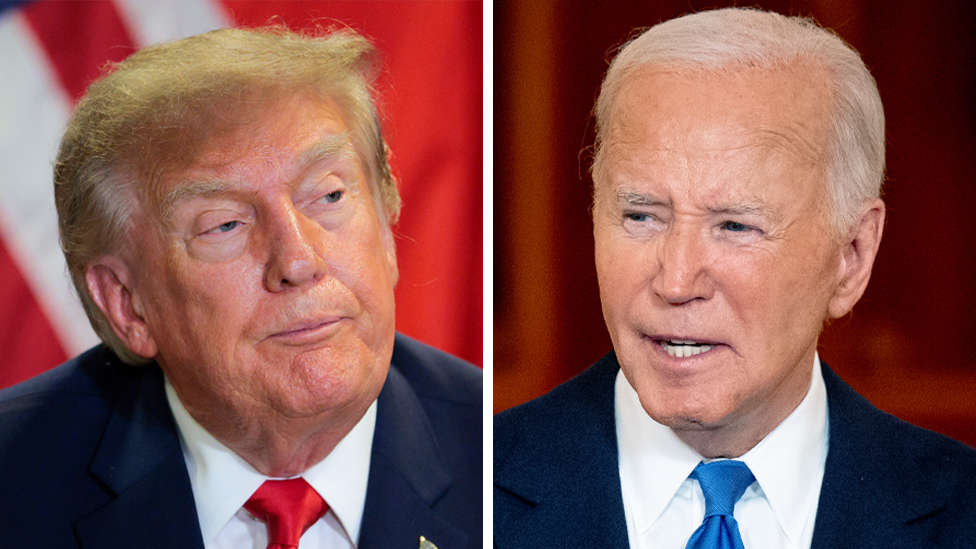
Donald Trump’s claim to curb rising prices has hit a tough wall. Despite strong GDP, low unemployment and a buoyant stock market, inflation remains stubbornly high. Voters base their judgment on everyday costs rather than macro indicators, echoing the narrative that beleaguered President Biden faced last year. Trump’s own tariffs and the Israel‑Iran conflict have added fuel to the price juggernaut while wages lag behind, leaving the public skeptical. The political question ahead of the mid‑term elections is whether Trump can align economic data with consumer sentiment.
The White House is confronting a familiar dilemma. The numbers on paper – steady GDP growth, employment under 5% and the stock market at record highs – contrast sharply with the buzz in grocery aisles and gas pumps that keeps voters uneasy.
Donald Trump’s 2024 campaign promised immediate relief from inflation, “price cuts that will hit the household directly,” he declared. The promise, however, has proven harder to materialize. While the economy has held steady, recent inflation data show prices still climbing, a trend many voters already sense before official reports.
The causes differ from the pandemic‑related shock that buoyed President Biden’s early stint. Trump’s tariffs on Chinese goods and the escalating Israel‑Iran conflict have driven up the cost of many items, with a Federal Reserve study indicating tariffs alone pushed consumer‑facing prices up by about 2.9%.
Wages have lagged, with average hourly earnings up 3% over the past year versus 3.7% for consumer prices. The mismatch feeds public frustration and keeps “inflation remained high” in parlance on the campaign trail, where the White House’s focus on macros doesn't translate into perceived relief for ordinary Americans.
The administration has attempted remedies, from proposing a cap on credit‑card interest rates to suggesting a $5,000 stimulus payout if the GOP retains Congressional control. Yet policies aimed at easing cost‑of‑living burdens rarely persuade voters who are literally watching their budgets shrink.
Trump’s legacy of tariffs and an energy‑heavy economy gives him little space to blame the market. Where Biden could point to supply‑chain disruptions and post‑pandemic volatility as culprits, Trump faces the reality that many price hikes have roots in his own policy choices.
As the midterms draw near, the narrative remains: how the public interprets “the economy” matters more than the raw data. If voters continue to feel priced out, Trump’s economic strategy could falter just as Biden’s did when he first entered the White House.