In brief
The latest truce expanded across the Kherson region brings a pause to fighting in Oleshky, a town long under Russian control. Airstrikes have halted, and the zone is now cleared of mines to allow food, medicine and water to reach residents. Both sides claim the ceasefire is being respected, with U.S. First Lady Melania Trump and Pope Leo XIV credited for brokering the deal. Ukrainian officials say the truce could pave the way for wider peace talks, while Russian spokesmen loudly praise the arrangement. Yet fears linger: many locals fear reprisals or being denied return to Ukraine, and the safety of the evacuation routes remains uncertain.
Ceasefire extended across Kherson region, bringing relief to Oleshky’s residents
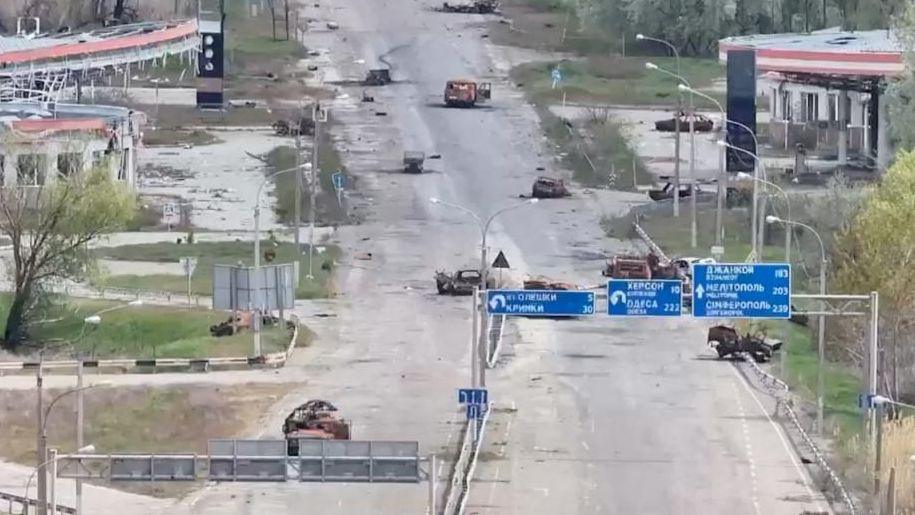
The latest truce, now covering the whole Kherson area, has stopped hostilities in Oleshky, a Ukrainian town that has been under Russian occupation since early 2022.
Oleshky has been cut off from goods for months. The water supply is gone, electricity has been absent since the 2023 Kakhovka Dam collapse, and food deliveries halted after the river was surrounded by mines.
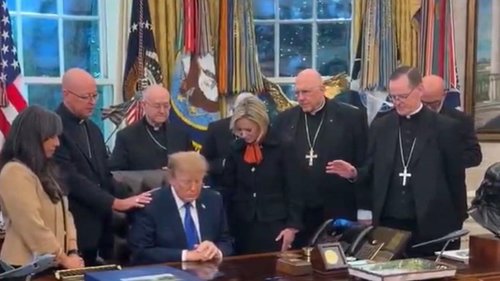
Air attacks have been paused and Russian units have stopped firing in the town and in Kherson city, which remains under Ukrainian control. The truce was negotiated by U.S. First Lady Melania Trump and Pope Leo XIV, who urged Russia to open the city for humanitarian aid.
The deal will see the first wave of aid reach Oleshky on Thursday, with a full evacuation of the remaining 1,700‑2,000 people planned for Friday. Russian engineers are clearing the main access roads, while Ukrainian officials monitor the situation.
Ukrainian Foreign Minister Andrii Sybiha said that a successful truce could "pave the way for other steps in the peace process," and Deputy head of Kherson, Oleksandr Tolokonnikov, confirmed that Russian shelling has stopped.
Kremlin spokesman Dmitry Peskov applauded the arrangement, describing it as proceeding "according to plan" and thanking Trump for her mediation. Russian-installed governor Vladimir Saldo announced that temporary accommodation would be prepared in Russia and Crimea for evacuees.
Despite the calm, residents remain sceptical. Many fear Russia will bar them from returning to Ukraine or will scrutinise their phones for signs of support for Kyiv. Ukrainian military officials cautioned against rumours about evacuation routes.
The truce is set to end at 22:59 local time on Sunday, 1 November, and is described by some officials as the "largest de‑escalation since 2022". The first aid deliveries are scheduled for Thursday, with the evacuation to follow on Friday.
While the ceasefire offers a brief respite, the long‑term fate of Oleshky remains uncertain. The region’s population must now decide whether to stay in the liberated zone or accept a new life within Russian-controlled territory. International observers will be watching closely as the humanitarian corridor opens and the first batch of aid arrives.