In brief
Lula’s victory speech branded Brazil as an independent sovereign nation, striking a hard line against Washington that inflamed domestic support. Trump’s mixed reaction—expressing respect for Lula yet labeling the election "rigged"—underscores a complex U.S.–Brazil relationship. The former administration’s tariffs and the Bolsonaro family’s influence had already strained ties, but recent diplomatic talks have eased tensions. Yet Brazil’s stand against U.S. military actions, defense of its electoral system, and tech policy clashes may rekindle friction, jeopardising America’s “Donroe Doctrine” in Latin America.
A Victory Speech that Says No to Washington
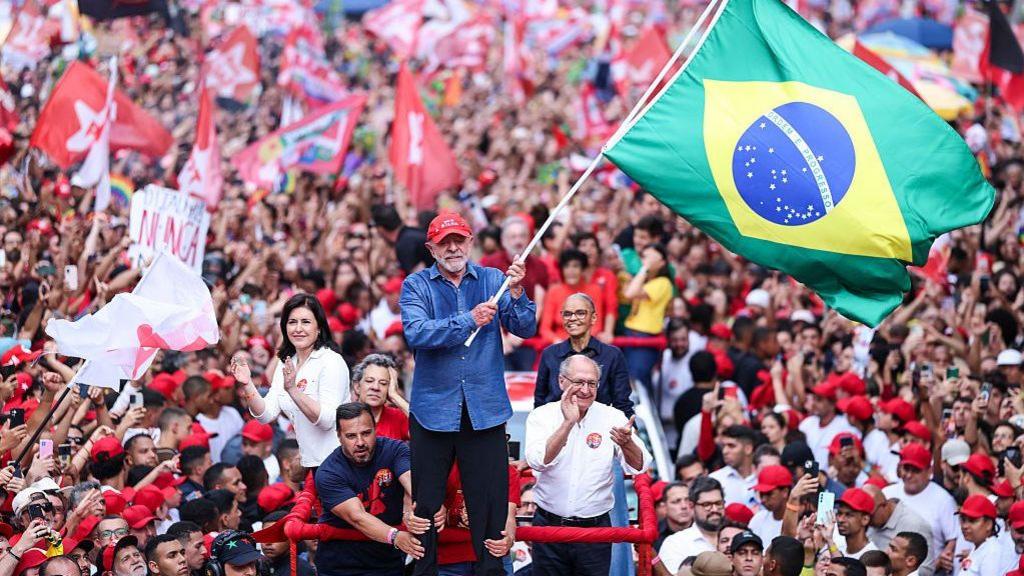
In his first public address after securing the ballot on 24 October, President Luiz Inácio Lula da Silva declared, “Brazil will not accept being anyone’s backyard,” a line that instantly turned the campaign spotlight into a contest of sovereignty.
Lula, a former union leader, has long used defiance against powerful foreign actors as a political hallmark. In this election, the rhetoric resonated in a country still scarred by the legacy of U.S. interventions in the 1960s and 1970s.
Trump’s Cautious Respect
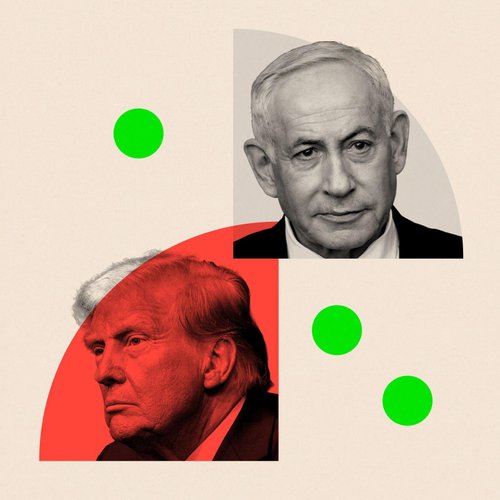
Former president Donald Trump reacted with a paradoxical mix of grudging admiration and public denouncement. He called Lula an ally, praised his leadership style, yet branded the election as “terrible” and “rigged.” Trump’s comments reflect his broader strategy of engaging with Latin American leaders who can reinforce U.S. influence in the hemisphere.
From Tariffs to Trade
The dispute began when Trump imposed punitive tariffs on Brazilian commodities, political retaliation for Jair Bolsonaro’s coup trial. Lula seized the moment, rallying his supporters, issuing a blue cap with “Brazil belongs to Brazilians,” and ninthing his approval ratings. The U.S. eventually eased the tariffs after diplomatic talks, and the leaders now share a more amicable rapport.
The Donroe Doctrine and Brazil’s Role
Trump has positioned Latin America as a strategic platform, champions the “Donroe Doctrine,” and sees Brazil as the cornerstone of his “Shield of Americas.” Brazil’s vast economy and rare‑earth resources make it a coveted partner. Lula’s re‑emergence throws an unexpected wrench into that calculus.
Tensions That May Rekindle
Brazil’s denial of U.S. visas, accusations of election interference, and Lula’s opposition to U.S. military actions in Venezuela create strong friction points. Tech disputes—Meta’s alleged bias against Lula, the Pix payment system’s challenge to Visa—and the possibility of renewed tariffs add fuel to the fire.
A Pragmatic Balance
Despite simmering conflicts, the U.S. remains Brazil’s second‑biggest trading partner after China. Whether the current cordial relationship endures hinges on how pressed the U.S. remains in asserting influence over Brazilian affairs and how assertive Lula will be in defending national sovereignty.