In brief
Federal prosecutors have brought new charges against former FBI director James Comey for alleged leaking of national defence information in 2016. This marks a third attempt by the Justice Department to prosecute the former chief, following a 2025 indictment on obstruction charges and a 2026 case over a threatening Instagram post. Comey denies wrongdoing and his lawyers have filed a motion to dismiss, citing lack of evidence and a possible 10‑year statute of limitations. Specialists suggest the case may stem from political animosity toward Trump and the DOJ, and could set a precedent for prosecutions of former public officials.
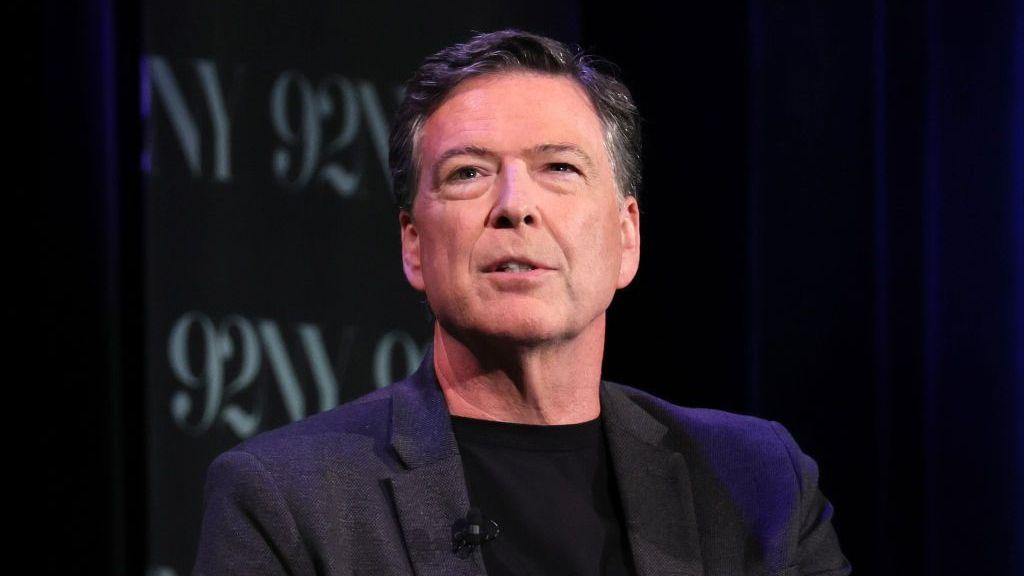
Federal prosecutors have taken steps to charge former FBI Director James Comey with leaking national defence information, according to a court filing. The move, filed as a criminal information rather than a grand‑jury indictment, marks the third time the Justice Department has sought to bring criminal charges against the former chief, a longtime critic of President Donald Trump.
The charges relate to allegations that, while heading the FBI, Comey disclosed classified information to the New York Times in October 2016. Comey responded in a video posted on Substack on Monday, dismissing the accusations as an “appalling abuse” of the Justice Department and reiterating his belief in the independence of the federal judiciary.
Comey’s lawyers have filed a motion to dismiss, arguing that two earlier DOJ investigations in 2017 and 2020 found no evidence to support the charge and that the case may exceed the ten‑year statute of limitations. Former federal prosecutor Glenn Kirschner has indicated the motion has a “very good chance” of being granted, citing potential political motives behind the prosecution.
This latest filing follows the 2025 indictment on obstruction of congressional testimony, the 2026 case over a potentially threatening Instagram image, and coincides with a federal judge ruling the Trump administration illegally fired Comey’s daughter, Maurene Comey. Together, the series of legal actions illustrate the far‑reaching questions surrounding political accountability and the use of DOJ power for personal or partisan objectives.