When Donald Trump strode onto a stage at a campaign rally in Indiana in 2016, he made one thing clear: China was America's chief economic antagonist. We can't continue to allow China to rape our country, he told a crowd in Fort Wayne. The anti-China rhetoric didn't let up throughout his rallies, 2024 campaign, and indeed, into his second term.
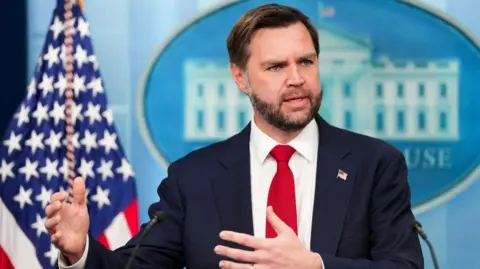
Following his White House return, Trump was accompanied by key allies such as Secretary of State Marco Rubio, Vice-President JD Vance, and senior economic counselor Peter Navarro, all staunch critics of China, emphasizing accusations of Beijing 'ripping off' America through technology theft and drug trafficking.
In the midst of a brewing trade war, which saw tariffs soar from 10% in February 2025 to 145% by mid-April, relations soured. However, Trump's recent trip to Beijing represented a stark contrast to his previous stance.
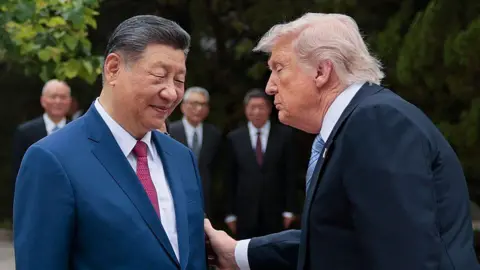
Trump was presented with a warm welcome on a red carpet at the Great Hall of the People, where he exchanged pleasantries with President Xi Jinping, declaring, It's an honor to be your friend, and the relationship between China and the US is going to be better than ever before. He hinted at forthcoming trade deals, though no significant agreements materialized.
Amid the softened rhetoric, serious issues loom, particularly over Taiwan, a critical topic that remains unresolved. Trump acknowledged during the flight home that he made no commitments regarding a significant arms sale to Taiwan that both Democrats and Republicans view as essential.
Despite this shift toward a friendlier approach, hardline sentiments remain pervasive within Trump’s political base, amplified by Xi's significant focus on Taiwan during the discussions. Notably, critics like Steve Bannon expressed shock at Xi’s assertive tone, raising concerns over the sincerity of diplomatic friendships amidst ongoing tensions.
Experts suggest Trump's friendly overtures may reflect a strategic recalibration acknowledging the ineffectiveness of previous aggressive tactics. The decision around Taiwan's arms sale looms as a significant hurdle that could impact Trump's political calculations ahead of Xi's expected visit to the White House in September.
Following his White House return, Trump was accompanied by key allies such as Secretary of State Marco Rubio, Vice-President JD Vance, and senior economic counselor Peter Navarro, all staunch critics of China, emphasizing accusations of Beijing 'ripping off' America through technology theft and drug trafficking.
In the midst of a brewing trade war, which saw tariffs soar from 10% in February 2025 to 145% by mid-April, relations soured. However, Trump's recent trip to Beijing represented a stark contrast to his previous stance.
Trump was presented with a warm welcome on a red carpet at the Great Hall of the People, where he exchanged pleasantries with President Xi Jinping, declaring, It's an honor to be your friend, and the relationship between China and the US is going to be better than ever before. He hinted at forthcoming trade deals, though no significant agreements materialized.
Amid the softened rhetoric, serious issues loom, particularly over Taiwan, a critical topic that remains unresolved. Trump acknowledged during the flight home that he made no commitments regarding a significant arms sale to Taiwan that both Democrats and Republicans view as essential.
Despite this shift toward a friendlier approach, hardline sentiments remain pervasive within Trump’s political base, amplified by Xi's significant focus on Taiwan during the discussions. Notably, critics like Steve Bannon expressed shock at Xi’s assertive tone, raising concerns over the sincerity of diplomatic friendships amidst ongoing tensions.
Experts suggest Trump's friendly overtures may reflect a strategic recalibration acknowledging the ineffectiveness of previous aggressive tactics. The decision around Taiwan's arms sale looms as a significant hurdle that could impact Trump's political calculations ahead of Xi's expected visit to the White House in September.