In brief
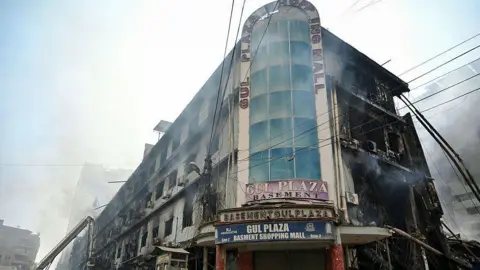
On January 19, a catastrophic fire broke out in Gul Plaza, a bustling shopping mall in Karachi, resulting in the tragic loss of at least 27 lives, with more than 70 individuals still unaccounted for. Survivors recount harrowing experiences of confusion and desperation, highlighting inadequacies in safety measures such as locked exits. As families search for their loved ones, calls for accountability and improvements in emergency response have intensified.
Muhammed Amin is beside himself with grief and despair.
His brother, Naveed Memon, was inside Gul Plaza when a massive fire ripped through the densely-packed shopping centre in Pakistan's commercial capital, Karachi.
Like dozens of others, he still hasn't been found.
What should I tell my mother when I go home? What should I tell my nieces? asks Amin.
My nieces are crying for their father - they are asking me why he is late to come home. What should I tell them? How can I tell them that their father is gone?
Housing an estimated 1,200 shops across a basement, mezzanine and three floors, Gul Plaza was a wholesale market that offered a wide range of cheaply-priced products, including wedding wear, toys, decorations, bed sheets, artificial flowers and baby clothes. The city's residents would frequent it in droves, particularly ahead of festivals, weddings and other important occasions.
What started the fire is still unknown.
But witnesses say the speed at which it spread, a lack of working fire exits and the density of shoppers and stalls crammed into the building exacerbated the disaster.
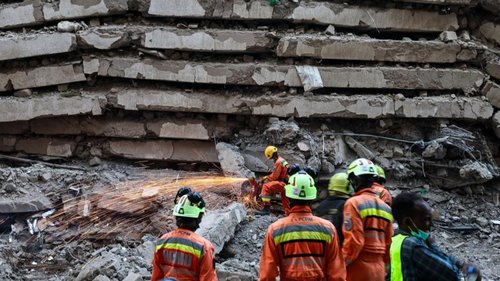
The confirmed death toll from the fire currently stands at 27, but more than 70 are still missing and the unstable structure of the still smouldering building is making it difficult for rescue officials to go inside and assess the full extent of the disaster.
Dr Abid Jalaluddin Sheikh, a senior rescue official, told BBC Urdu that rescue efforts were being slowed further because the structure of the building had been so severely damaged that it was at risk of completely collapsing at any time. He added that many bodies were unrecognisable and they would need to conduct forensic examinations to confirm the exact number of deaths.
Meanwhile crowds of people looking for their loved ones have gathered around the building, desperate for any news.
As the searches continue, anger is growing.
On Monday, hundreds of protesters gathered around the building calling for accountability.
Karachi Mayor Murtaza Wahab, who arrived on the scene nearly 24 hours after the fire broke out, was met with jeers.
Survivors like Shoiab, who managed to escape, expressed frustration at the slow emergency response and the locked exits that hindered many from escaping safely.