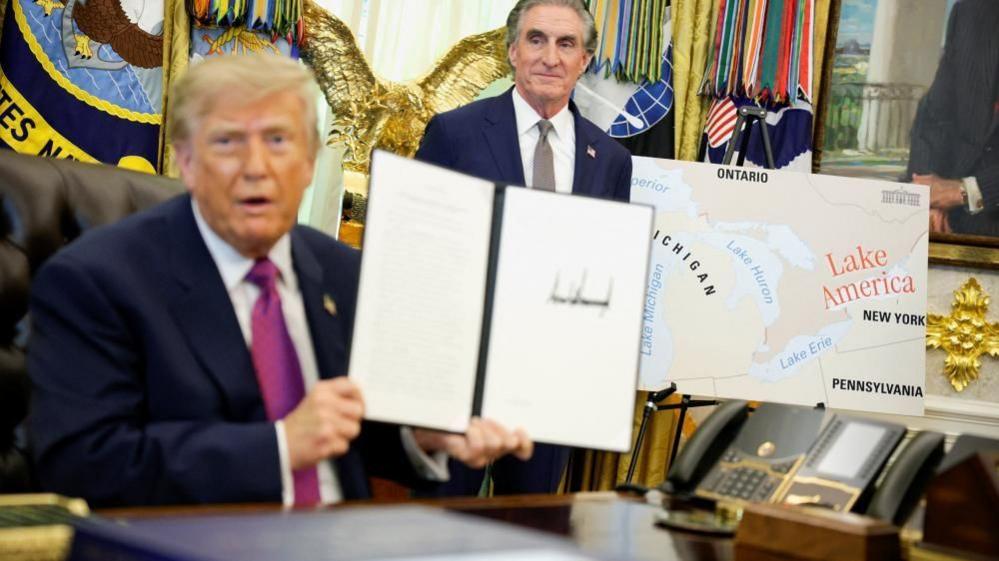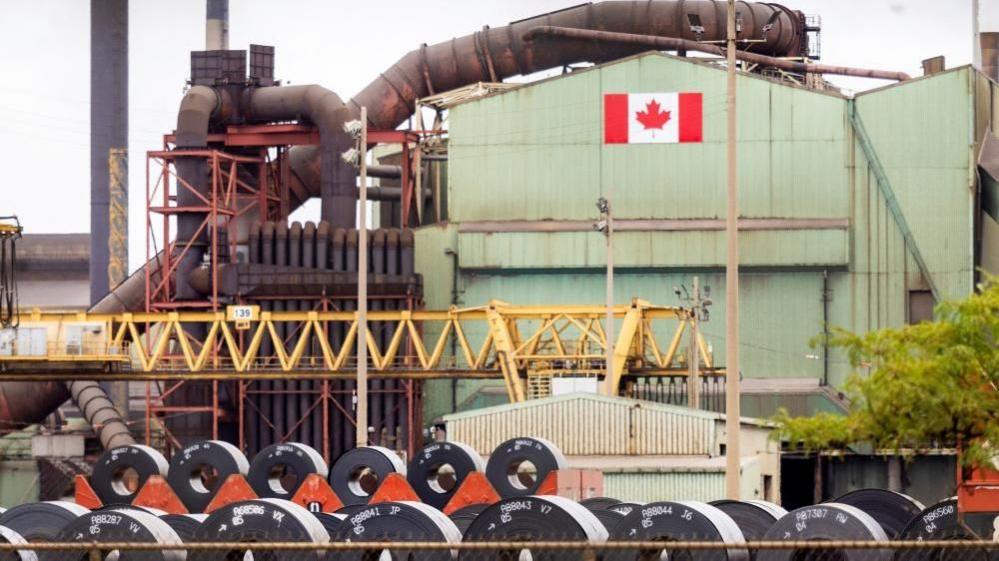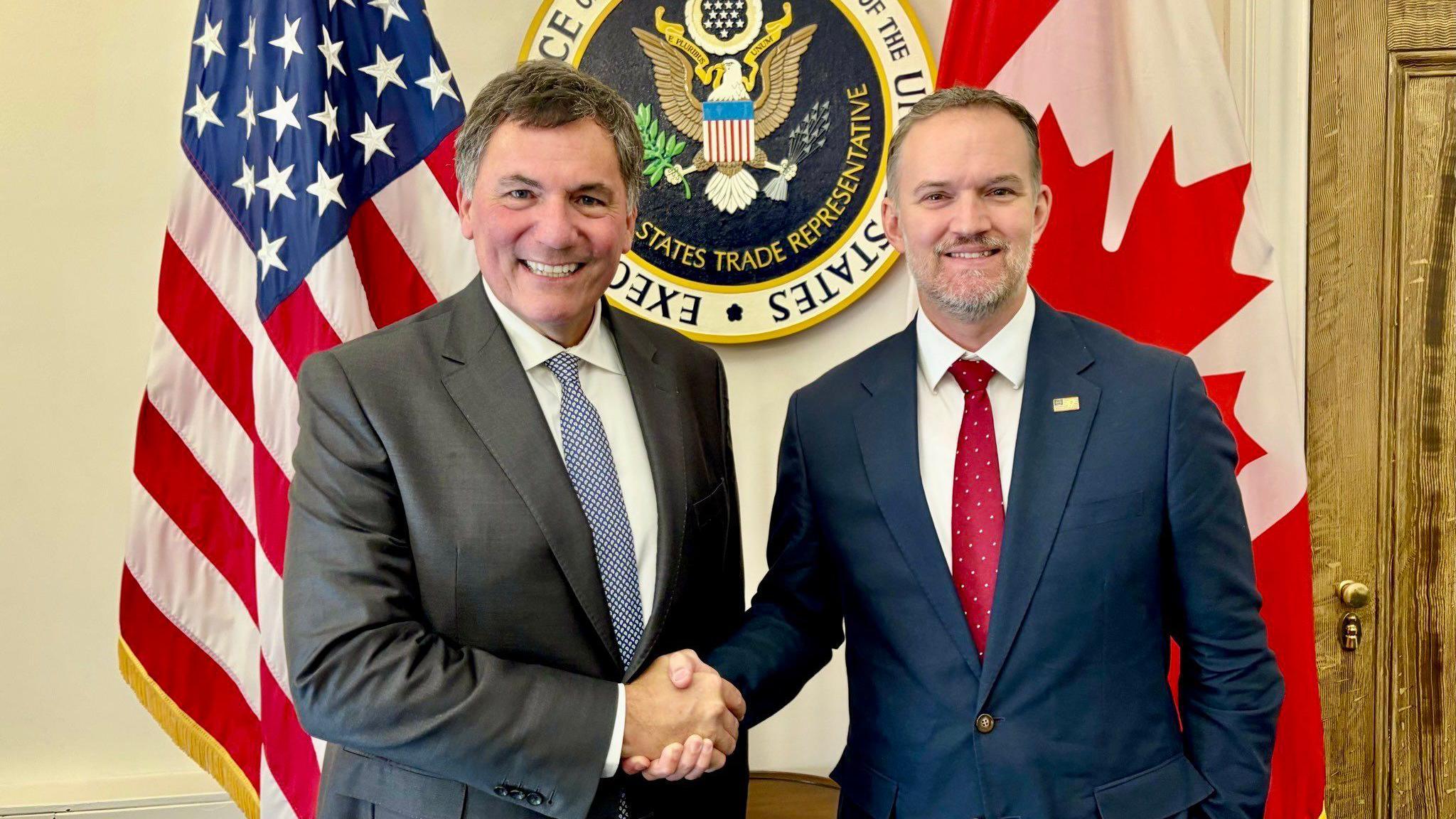
President Donald Trump is moving to triple the U.S. tariffs on Canadian cars and auto parts, a jump that will hit Canadian manufacturing hard. The new rate would rise from 25% to 50% on January 1st, according to a statement released Monday. The escalation comes after trade talks collapsed late last week, with each side accusing the other of making unacceptably high demands.
Canadian officials have called the U.S. demands “unacceptable” and have warned that the next day would trigger a surge in costs for consumers and signficant job losses. The government plans to retaliate with matching tariffs on the same goods, with the aim of protecting Canadian workers and businesses.
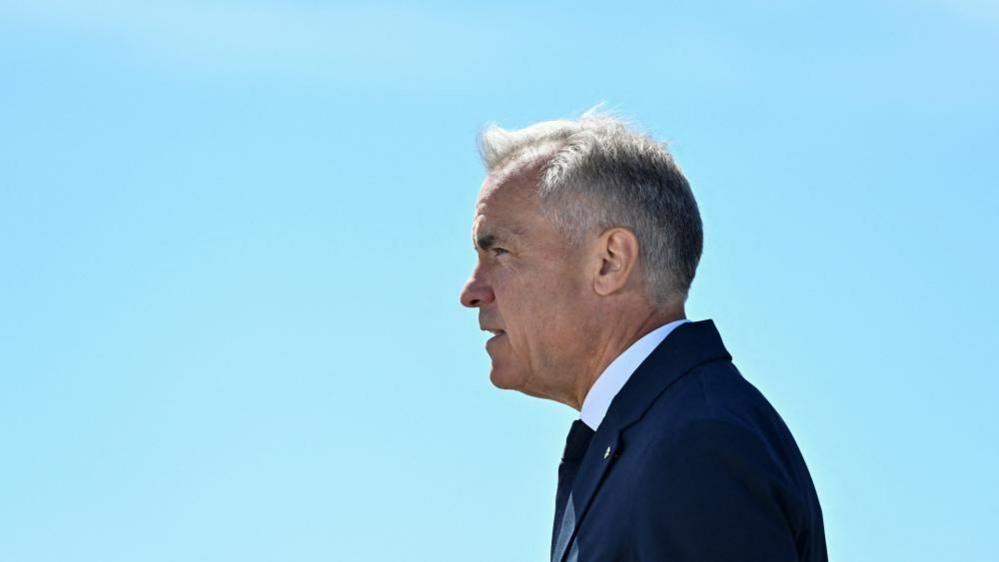
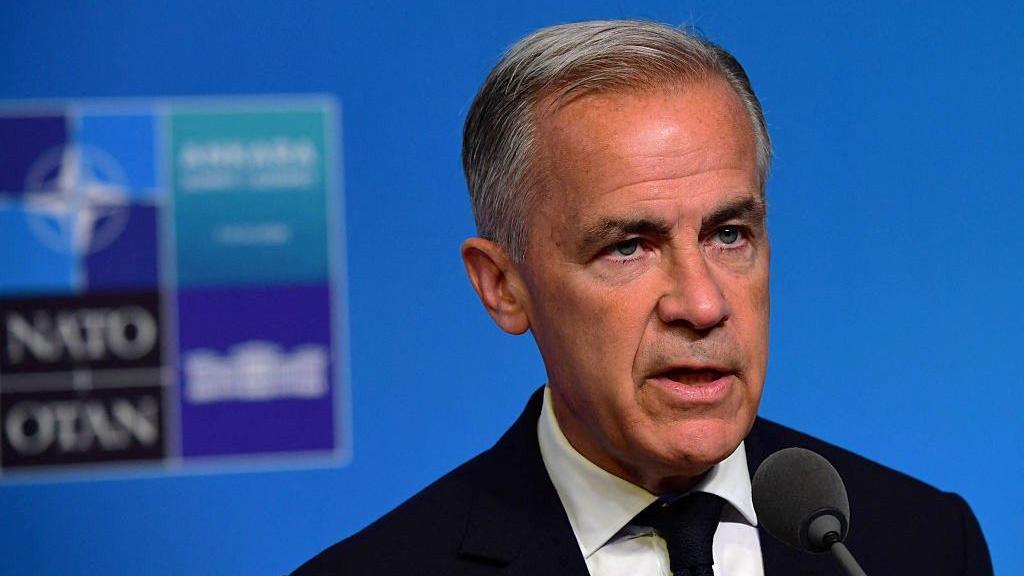
Prime Minister Mark Carney, speaking to a conference scheduled for Tuesday, called Trump’s threat “unsurprising” and accused the president of trying to dismantle Canada’s auto industry. Carney said Canada would resume talks only if Washington comes in with a “right attitude.” He also highlighted that Canadian oil and gas exports power 60 % of U.S. crude imports, indicating the importance of tacit shared interests.
In Ontario, Premier Doug Ford responded to Trump’s tariffs by telling the president “kiss my ass” and suggested that Canada levy extra costs for U.S. oil, gas, and critical minerals to counteract the trade blow. Ford’s comments were met with a harsh statement on Truth Social from the president, threatening “far worse” repercussions if Canada does not comply.
Industry leaders across both countries are sounding the alarm. Canadian suppliers warn that ending trade may inflate the costs of parts by up to 50 %, while U.S. businesses project that new tariffs will disrupt their supply chains overnight, absent any notice period. The situation threatens to unravel the USMCA agreement, a $1.6 trillion trade partnership that ties all three nations with pre‑existing trade agreements.