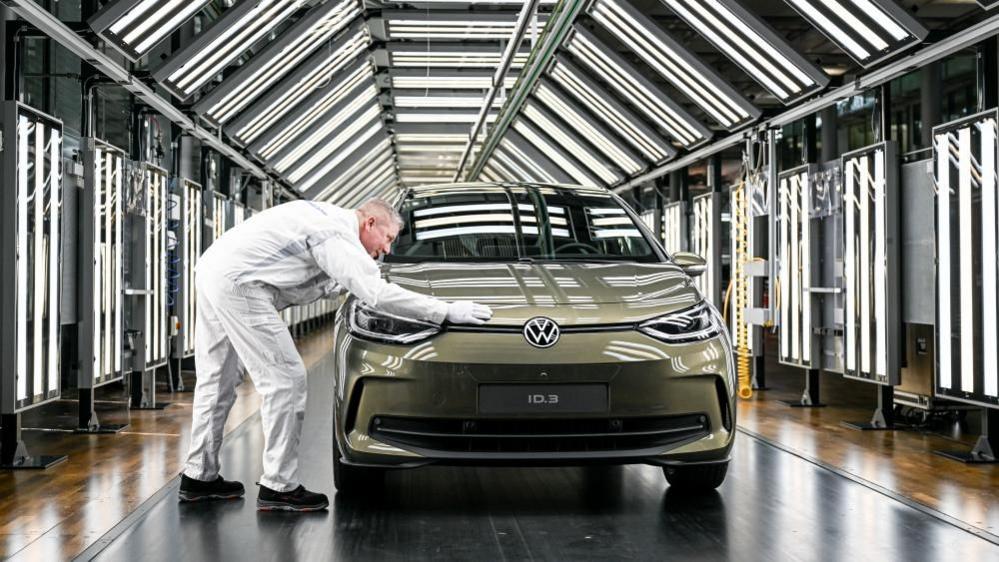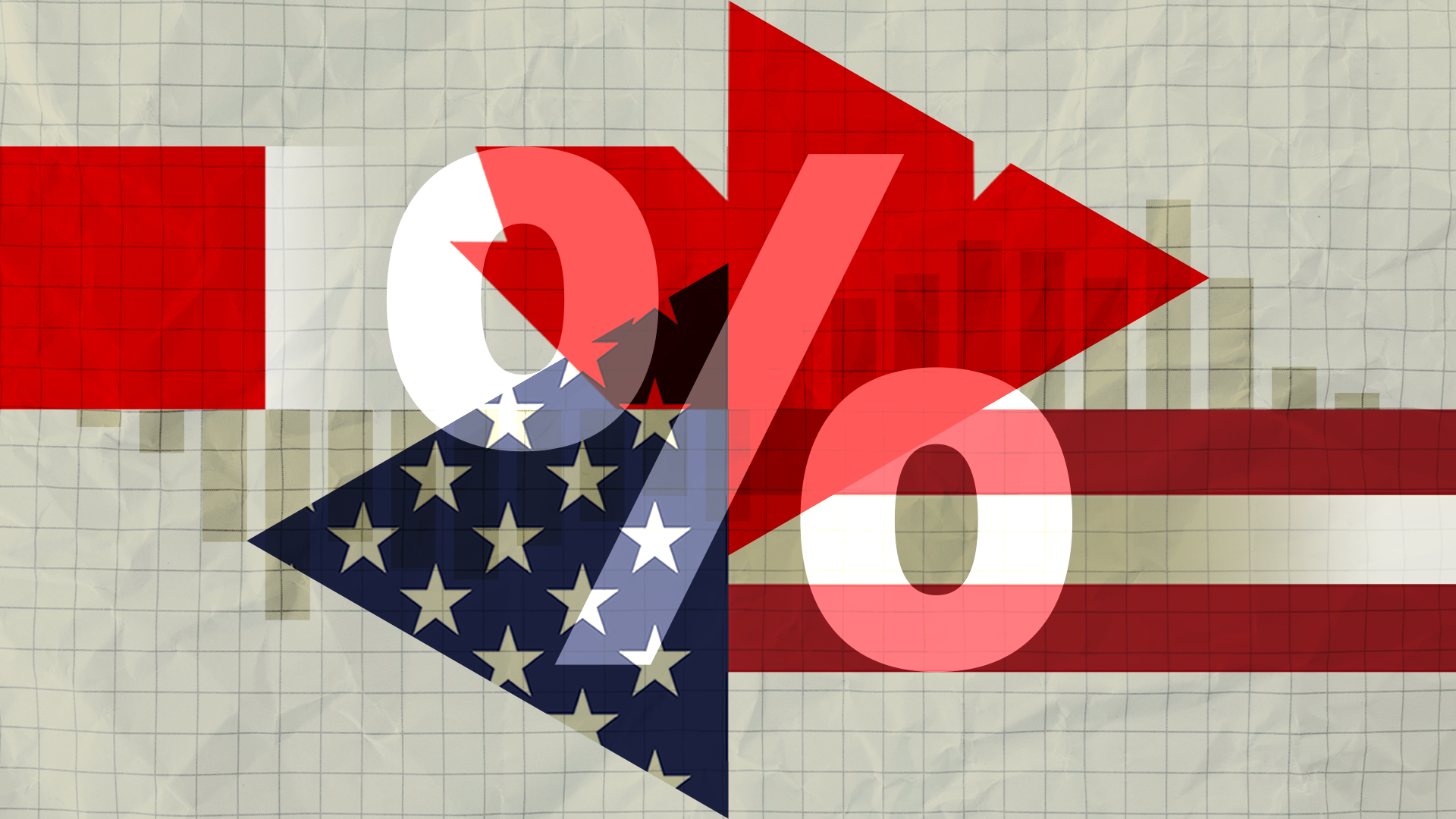
Trump threatens a 50% tariff on Canadian auto imports – President Donald Trump announced on Monday that he would increase U.S. tariffs on Canadian cars, trucks and auto parts from 25% to 50% as of 1 January. This sharp rise is intended as a penalty for Canada’s earlier refusal to agree to certain U.S. trade demands.
Prime Minister Mark Carney sharply criticized the United States, calling the tariff threat “unfair” and accusing the U.S. of seeking to dismantle Canada’s auto industry. Carney said Canada would counter any future U.S. levy with equal tariffs on U.S. goods and would seek redress in the World Trade Organization.
Ontario Premier Doug Ford openly challenged President Trump to “kiss my ass” and warned that Canada could impose extra charges on U.S. oil, gas and critical minerals. Ford and Carney are in talks on how to “fight back,” raising the stakes for the automotive hub in Ontario.
The trade dispute has already put Canadian businesses on high alert. In Portland, owners of Paloma Clothing reported that the sudden tariff could raise the cost of a Canadian‑made pillow by about 50%, potentially pushing retail prices above $90 per unit. The uncertainty has led to fears that the U.S.‑Canada agreement could unravel, destabilizing the $1.6 trillion North American trade network.
The two governments have collapsed talks and left no clear date for a new treaty; Canada is pushing for a 16‑year extension of the USMCA, while the U.S. has been hesitant to renew in its current form. Experts from Oxford Economics warn that a prolonged tariff standoff could plunge Canada into recession and result in a permanently lower growth trajectory.
With both sides threatening reciprocal actions, the 5‑hour window for selective negotiations faces a dead‑end. If the U.S. maintains the tariff stance, Canada is poised to retaliate with equal measures, potentially widening the trade war across multiple sectors.