In brief
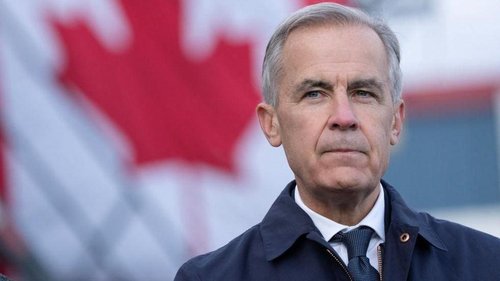
Prime Minister Mark Carney decided late‑night to pull Ottawa out of a proposed U.S. trade deal, triggering a clash over tariffs and a political showdown. The decision highlights Canada’s commitment to tougher trade terms, while causing economic pain for businesses linked to U.S. markets. Employees across Canadian provinces face uncertainty as the government pushes back against a series of U.S. duties. Public opinion remains split, with polls showing mixed support for the hard‑line stance. The next chapter will unfold as Canada awaits U.S. retaliation, while leaders in Ottawa and Toronto weigh the cost of the walkaway.
In a stunning late‑night decision, Ottawa’s prime minister walked out of a potential trade pact with the United States. The move, which came after months of negotiation, signaled a sharp shift toward a more assertive stance on new U.S. tariffs that target Canadian exports.
Prime Minister Mark Carney’s choice to halt talks came as Washington launched a sweeping wave of duties on goods such as auto parts, aluminum and fruit. Carney’s decision will be judged on whether Canadians can bear the economic burden that these tariffs impose on provincial businesses and the wider economy.
The backlash is already visible in major manufacturing hubs, especially in Ontario and Quebec, where supply chains are tightly linked to U.S. partners. Industry groups have warned that a lingering trade impasse will cost jobs and undermine the long‑term health of Canada’s export sector.
Opinion polls reveal a split public reaction. About a third of respondents endorse taking a stand against U.S. tariffs, while a majority seem uneasy about prolonged trade tensions that threaten to hike costs for consumers.
Political opponents across the spectrum have reached out to the prime minister. Conservative leader Pierre Poilievre praised the decision, arguing that a one‑sided tariff agreement would harm Canadian industry. In contrast, the Ontario premier Matt Ford pressed for “tariff for tariff” and dollar‑for‑dollar retaliation, highlighting the province’s exposure to the dispute.
Carney’s government now waits on Washington’s next step, with the hope that a new negotiation round will bring a wider range of concessions. If this back‑off fails, the higher cost of U.S. duties could push Canadian businesses onto the international market, potentially shifting trade flows away from America.