This farmer wanted to quit the cocaine industry – he couldn’t
Perea uprooted coca bushes on his small farm in a remote river‑accessed corner of Meta, Colombia, replacing them with cassava and plantain. He joined a government crop‑substitution programme that promised financial aid and technical support.
But much of the promised assistance never arrived. Poor roads, repeated floods and inconsistent payments made it hard to sell legal crops. By 2024, disillusioned, he had started planting coca again.
“It’s a tragedy,” Perea says. “When you have children and no work, what choice do you have? If no help ever arrives, you go back to growing it.”
The coca leaf, long used by indigenous peoples, now largely fuels cocaine production. Colombia contributes about 70% of the world’s supply. While the leaf can yield quick harvests and easy transport, it has become a lifeline for many rural families.
Columbus’s National Comprehensive Programme for the Substitution of Illicit Crops (PNIS) aimed to replace coca with legal economies. Early on, farmers switched to lemon trees, bananas and small livestock farms, and some reported improvements. However, delays in payments, inadequate technical outreach and shifting political priorities have stalled many initiatives.
With the new “Total Peace” policy, Colombia seeks broader security and community engagement. The pilot RenHacemos programme focuses on road improvements, digital connectivity and broader education, alongside financial aid.
Despite these efforts, coca cultivation remains at record levels—over 250,000 hectares—underscoring the resilience of the drug trade and the fragile security context in rural Colombia.
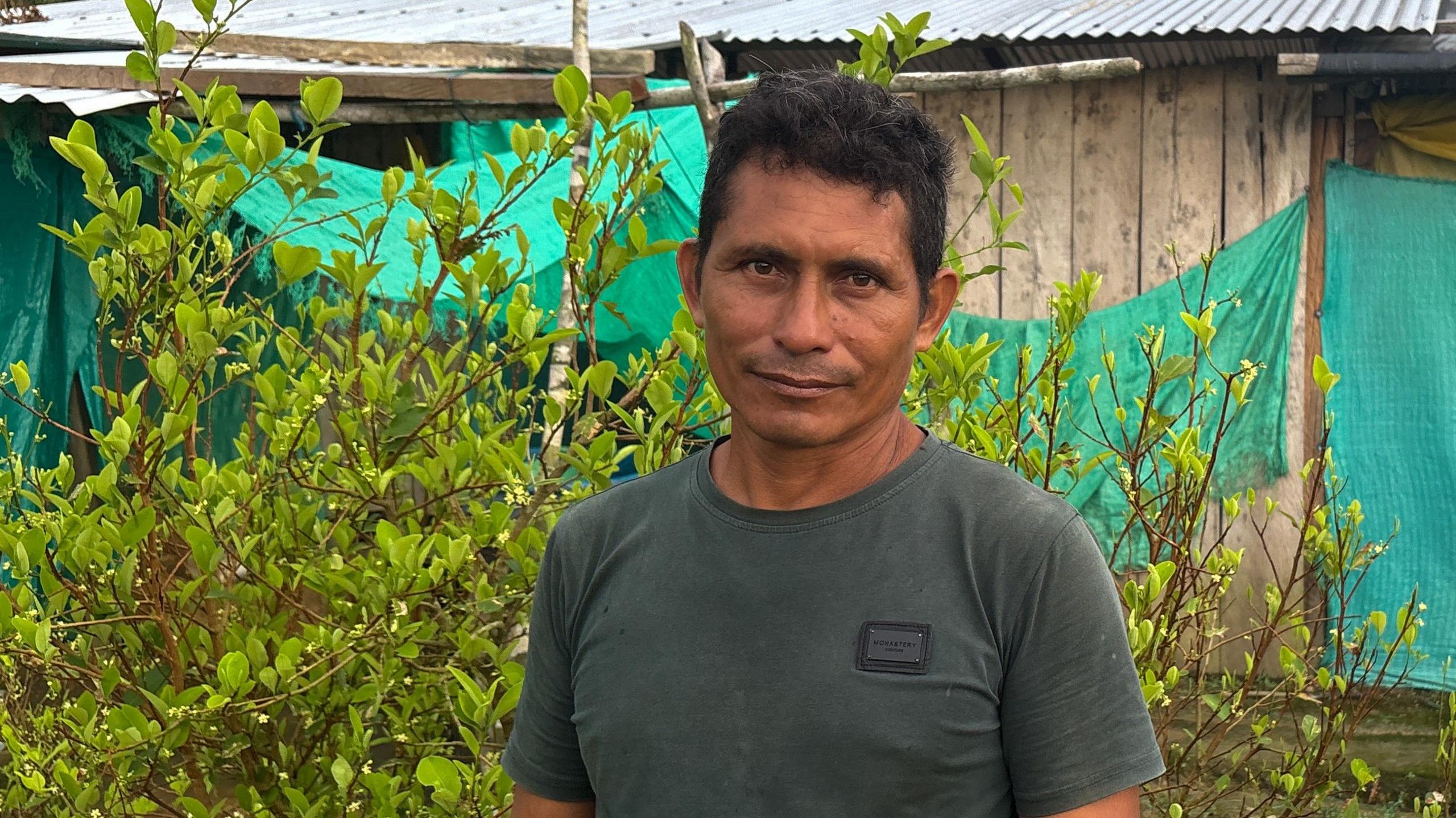
Coca farmer Perea says he has not had the financial support required to stop growing the crop.