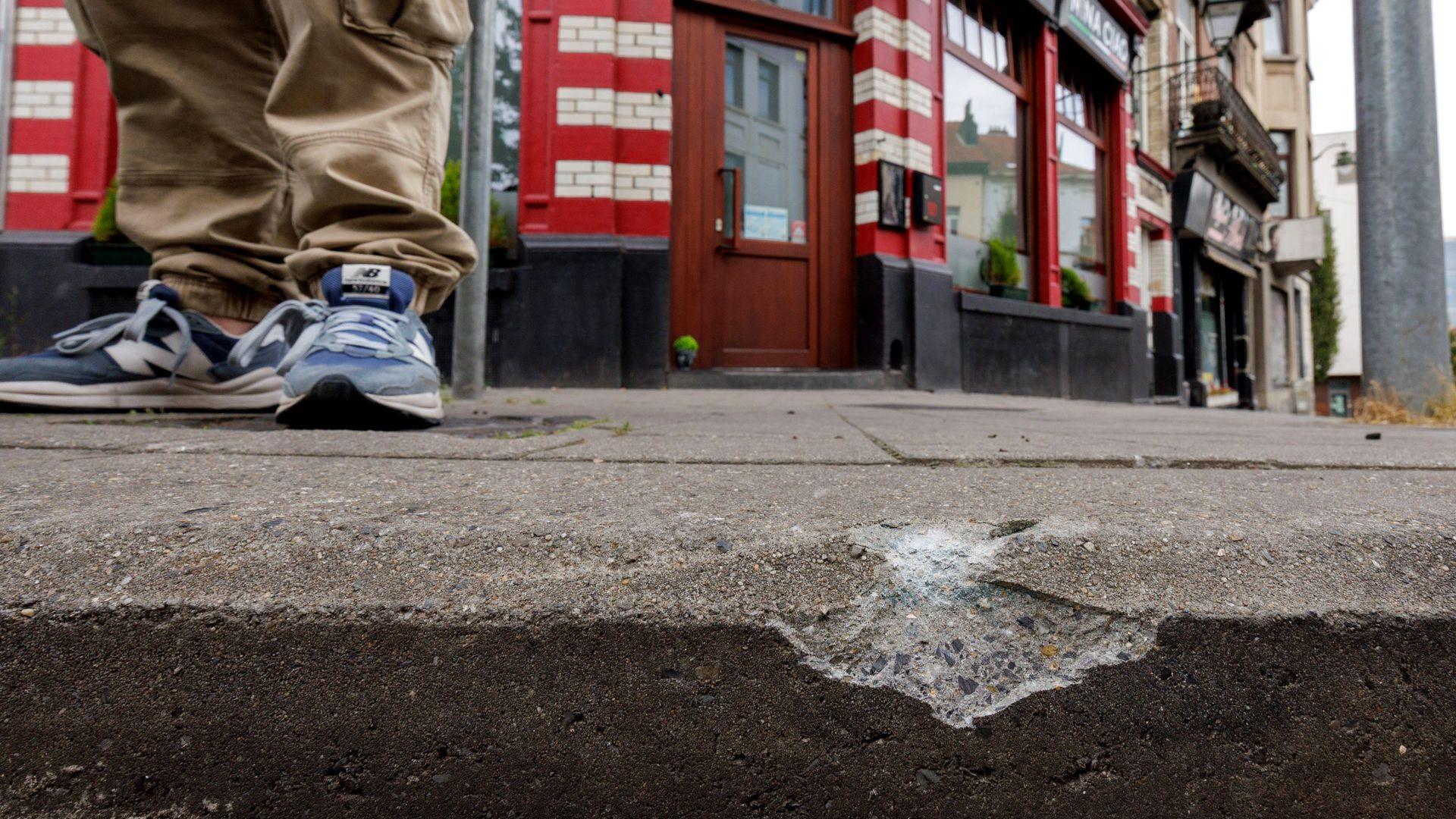

Last Monday night, drug gangs turned Salvatore’s pizzeria on a quiet square in St Gilles into a crime scene, leaving bullet impacts on every surface. Salvatore was dining at the terrace with his clients when guns began to fire, and he fled to the curb with a gasp of terror.
This was the third shooting in the neighbourhood in three days, a pattern that mirrors Brussels’ rise in drug‑related violence – over 100 incidents last year and more than 65 so far in 2026.
Murielle, a 70‑year‑old resident of the same block, reports seeing a suspect shot in the leg two days prior to Salvatore’s attack. “We can still see the trace of the blood pool,” she says, hoping that peace will soon return to the street that once resembled a small village.
There is no magic solution. We need prevention over repression. – Jurgen de Landsheer, chief of Brussels South Police
Police data shows that organised crime in the capital has become more brutal. A drug‑dealing point can net up to €50,000 a day, and Brussels now has more than 200 such sites.
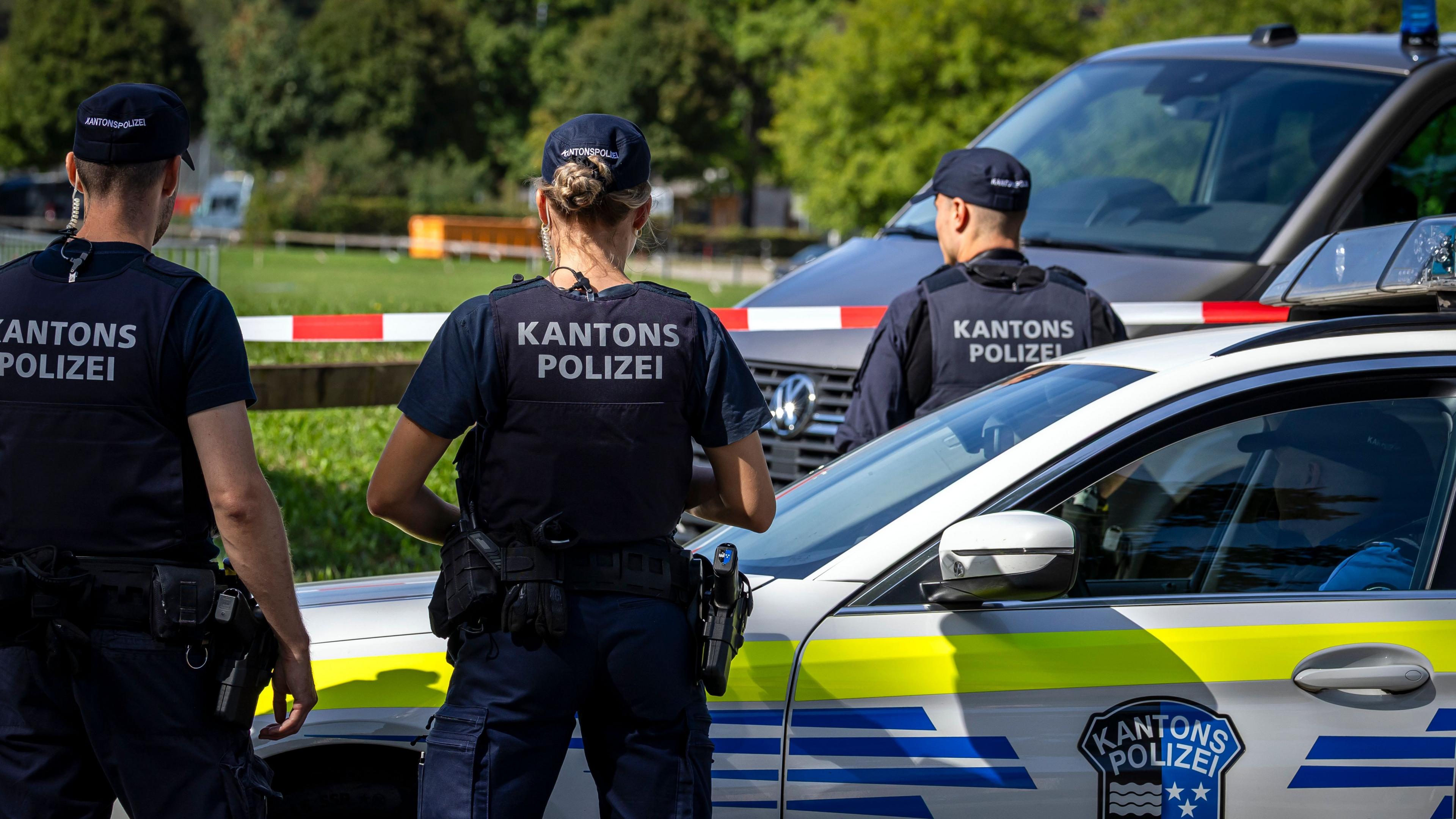
The violence has not only spread through the city; a police station was shot at last weekend by two men on a scooter using an AK‑47. This marks a first where guns were fired at police rather than against rival gangs.
Youth involvement is worrying: officers estimate that offenders as young as 12 are now being armed with heavy weapons, earning only a few hundred euros for a mission.
To curb the surge, Belgium’s interior minister announced the deployment of an extra 40 police officers to St Gilles, but he stresses that sheer numbers will not solve the problem. "We need to give young people a future and put a stop to violence through prevention, not just repression," he said.
The local residents remain determined to keep their neighbourhood safe. Salvatore called the violence an “American gangster movie” and urged authorities to act swiftly. Murielle declared, "We will not be intimidated. We’ll keep on protecting our lovely neighbourhood."