Ebola vaccine trial begins in DR Congo amid rapid outbreak growth
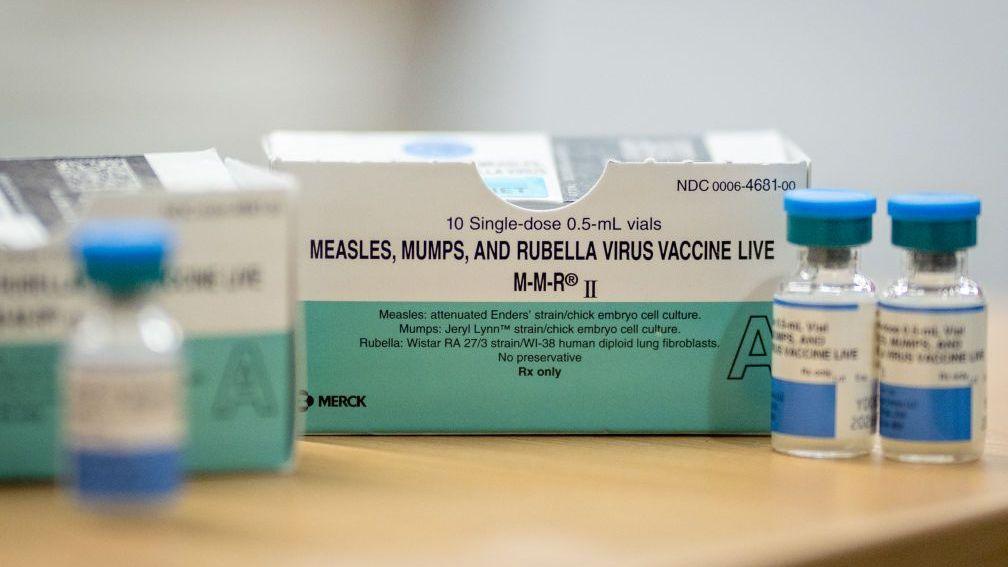
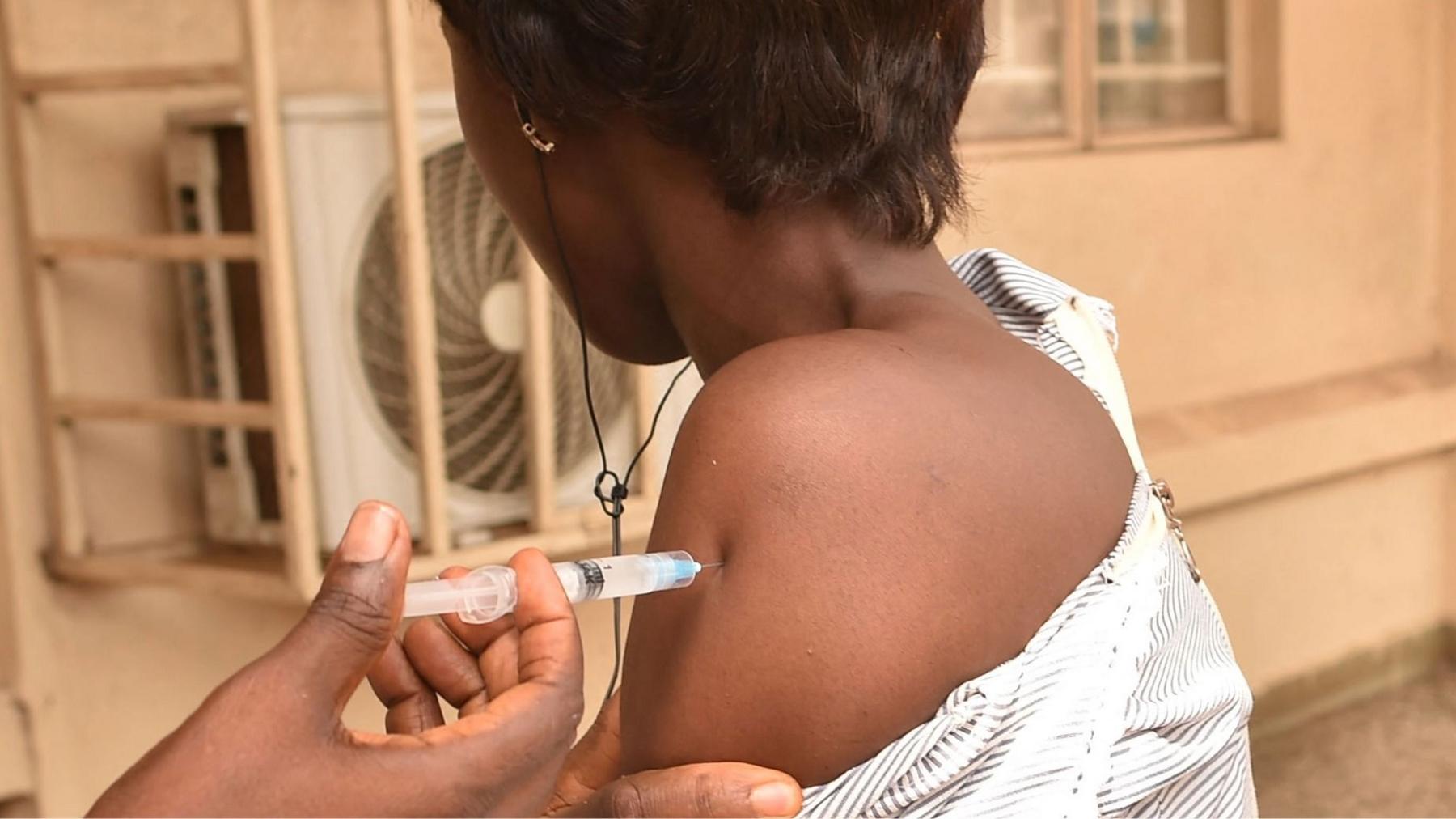
The Democratic Republic of the Congo is preparing to roll out the Ervebo vaccine, with hundreds of doses earmarked for a clinical trial aimed at assessing its effectiveness against the Bundibugyo species that is currently spreading in the country.
Ervebo, previously used to protect against the Zaïre strain of Ebola, offers no proven protection for Bundibugyo cases, which explains the need for a focused research effort.
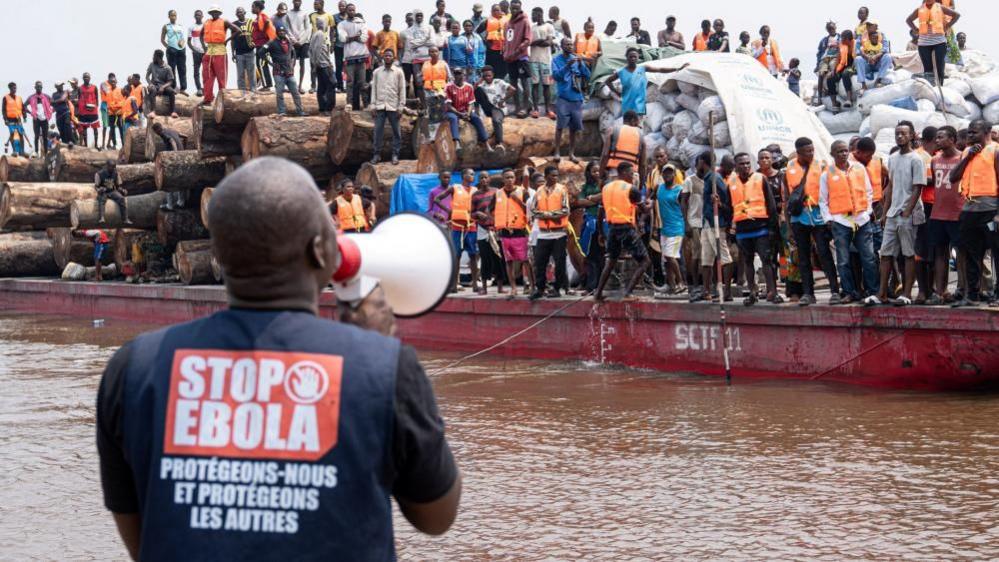
WHO has issued a warning that Ebola is “growing exponentially” in the north and east of the DRC, and the infection zone now covers a territory larger than France. Close to 2,500 people have died since the outbreak was declared three months ago, and half of those deaths occurred in the last 20 days.
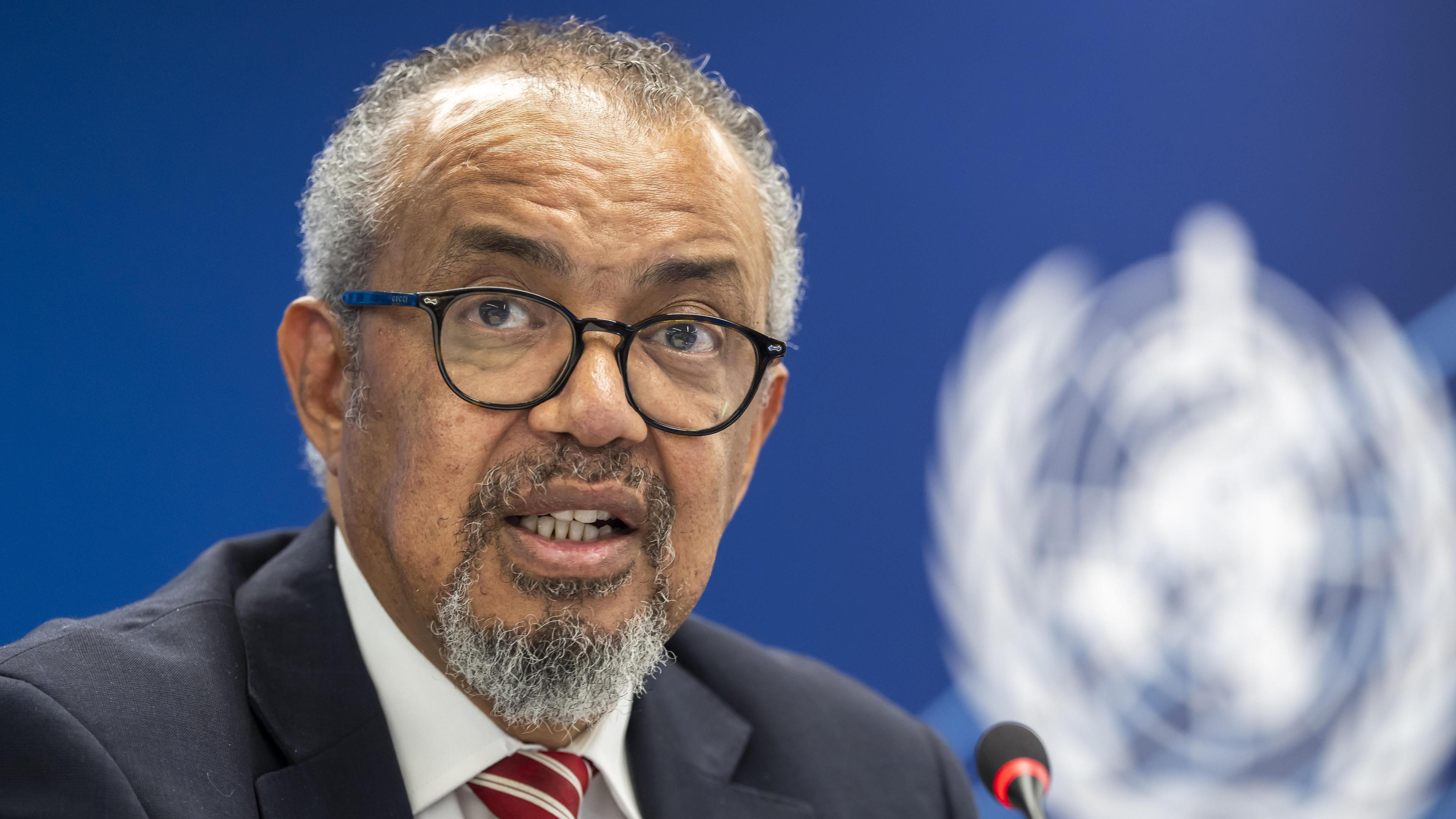
Julien Harneis, WHO’s Ebola coordinator, said the spread is “faster and wider than the Ebola response” – a sharp reminder of the disease’s deadly potential.
A Save the Children report reveals that at least 180 Congolese children have lost both parents or caregivers due to the outbreak, underscoring its profound social impact.
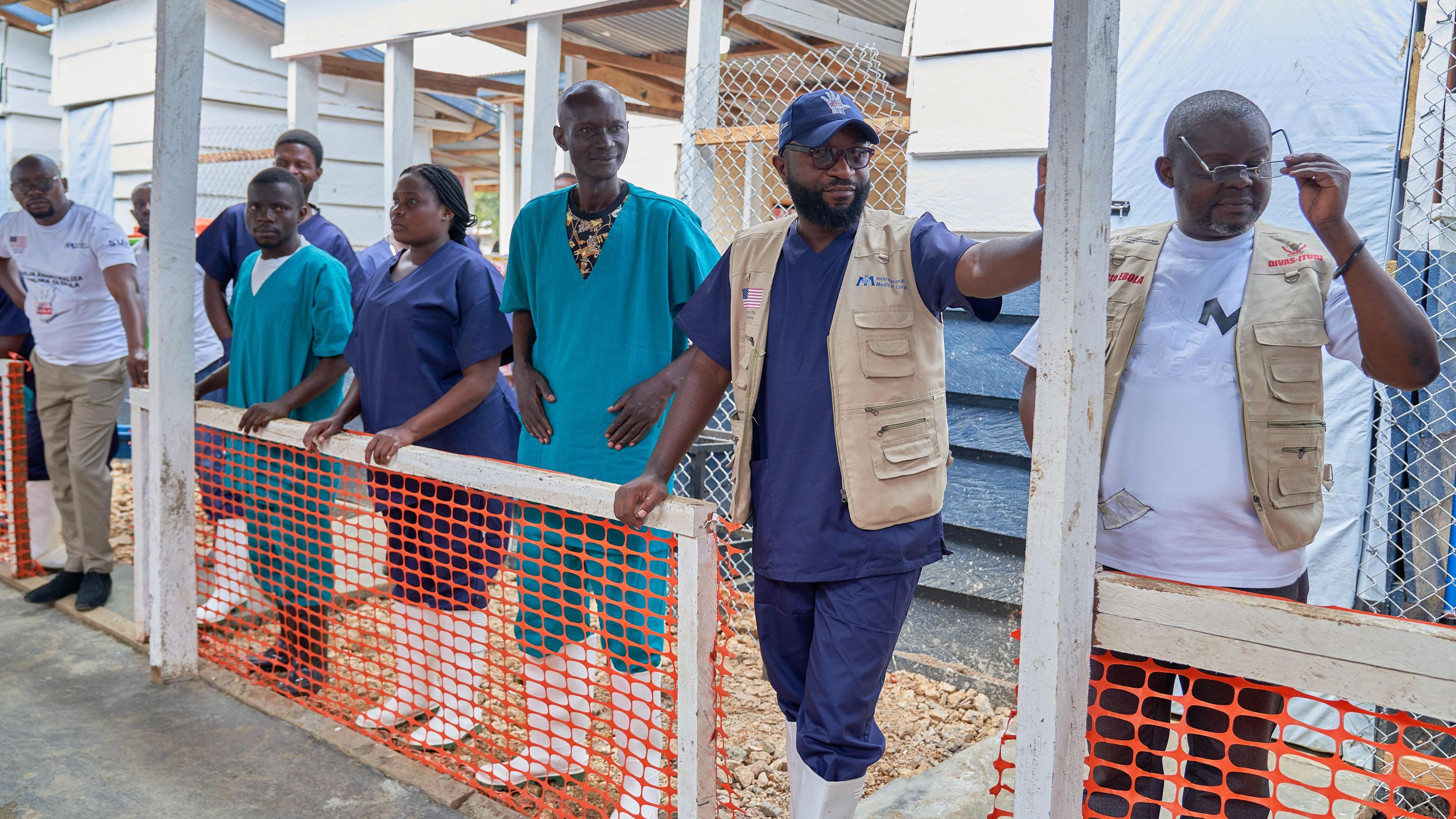
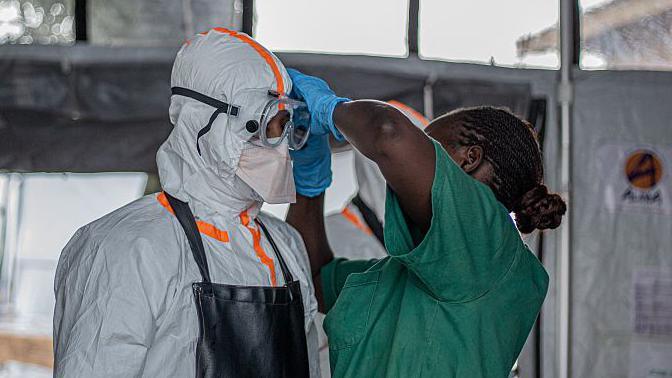
In response, WHO and Africa CDC have approved a trial using 20,000 doses of Ervebo to evaluate efficacy specifically against Bundibugyo, while 50,000 doses will be deployed to protect frontline health workers. This dual strategy is seen as a vital reinforcement of the larger response efforts.
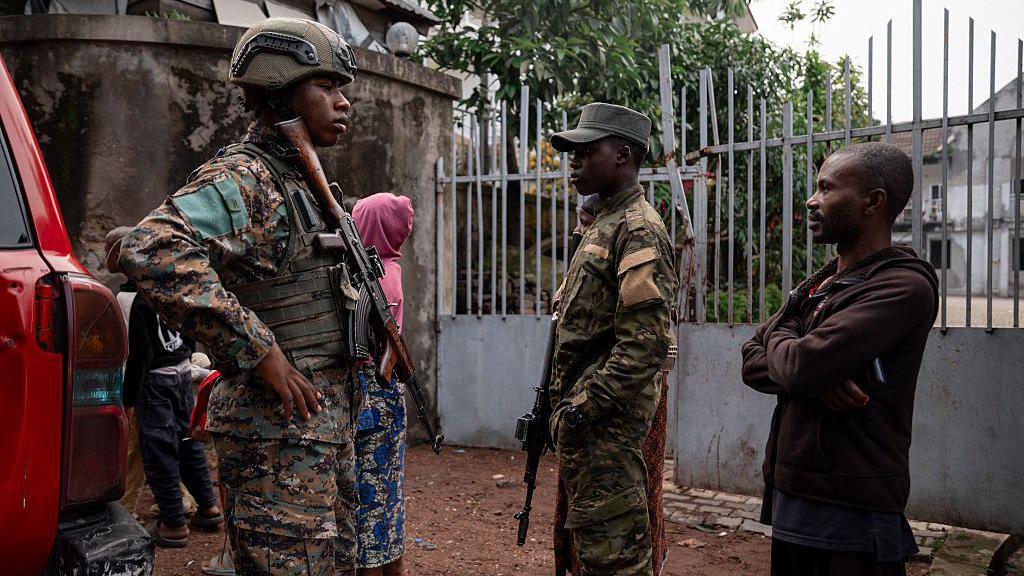
Complicating the fight against Ebola is the presence of the M23 rebel group, which controls parts of North Kivu. The group has imposed movement restrictions between government‑held and rebel‑held areas, suspending shared taxis and passenger boats for one month to curb further spread.
Despite these obstacles, health teams continue to highlight the symptoms of the infection – fever, headache, chills, and fatigue – which can progress to vomiting, diarrhea, organ failure, and death if not treated promptly. Contact with bodily fluids such as blood or vomit remains a primary transmission route.