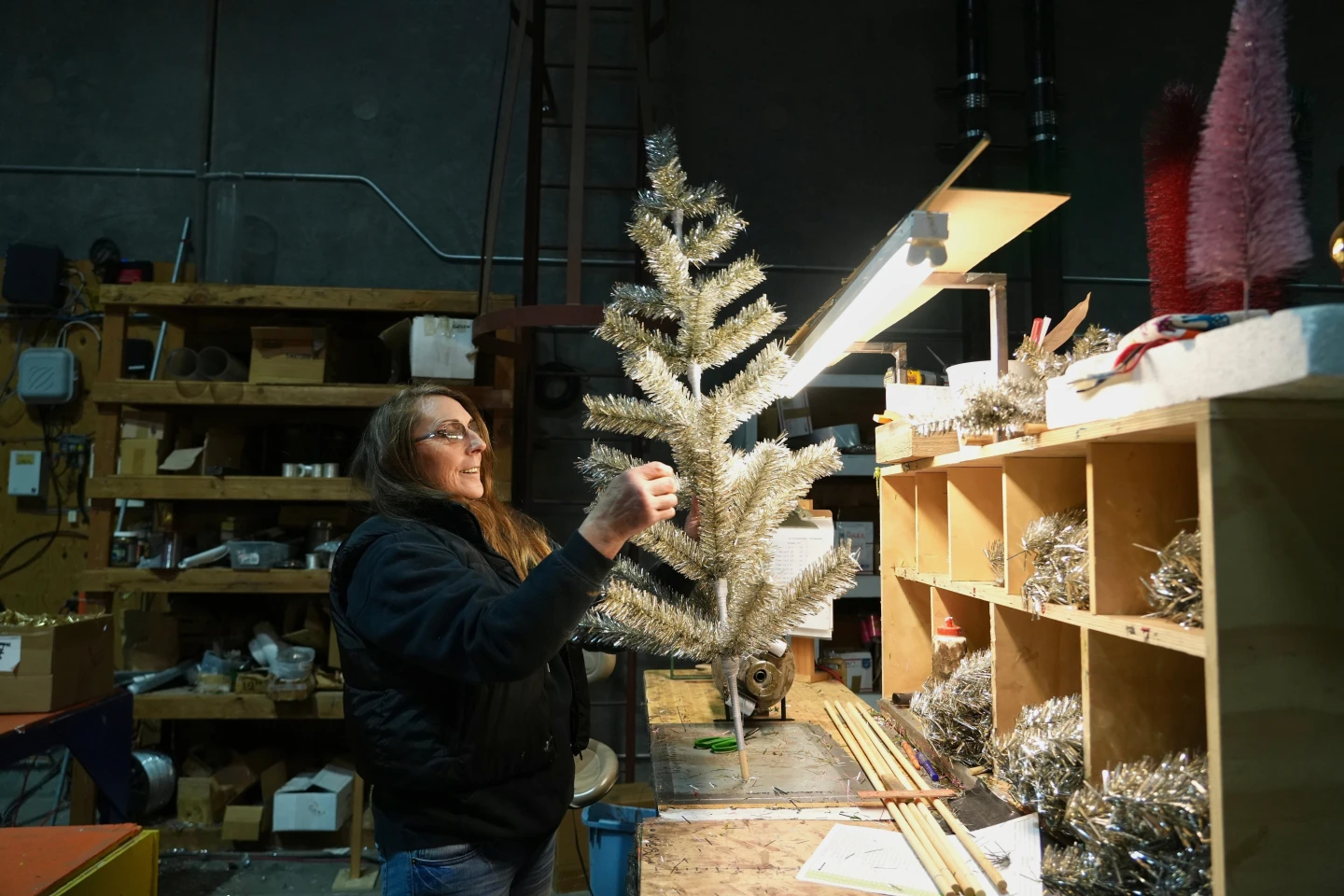
On a recent December day, CEO Mark Latino and his team were busy transforming sheets of vinyl into silver tinsel destined for Christmas tree branches, using a nearly century-old machine. Based in Fairfield, California, Latino's company, Lee Display, is one of the few remaining U.S. manufacturers of artificial Christmas trees, producing around 10,000 each year since its founding in 1902.
However, this holiday season has brought challenges. The American Christmas Tree Association reports a price increase of 10% to 15% on fake trees, attributed to new tariffs on imported goods from countries like China and Cambodia. Although some companies are exploring domestic production, the labor-intensive nature of artificial tree manufacturing makes it difficult to shift production back to the U.S.
Putting a 'Made in the U.S.A.' sticker on the box won’t do any good if it’s twice as expensive, says Chris Butler, CEO of National Tree Company. As consumers continue to favor fake trees—80% of American households opting for them—companies adapt by prioritizing efficiency; 80% of the fake trees sold already come pre-lit.
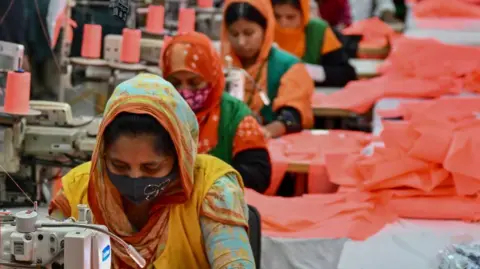
The production process can take hours and is heavily labor-dependent, relying on overseas workers who are paid less than $2 per hour. Despite the logistical challenges, companies like Balsam Brands and Lee Display emphasize the importance of quick production times to meet the holiday demands and maintain quality control. With tariffs hurting profits and consumer spending slowing down, companies have been forced to reconsider their pricing strategies, even as they strive to keep the holiday spirit intact.
As Christmas approaches, the question remains: how will economic pressures reshape the landscape of holiday decorations?
However, this holiday season has brought challenges. The American Christmas Tree Association reports a price increase of 10% to 15% on fake trees, attributed to new tariffs on imported goods from countries like China and Cambodia. Although some companies are exploring domestic production, the labor-intensive nature of artificial tree manufacturing makes it difficult to shift production back to the U.S.
Putting a 'Made in the U.S.A.' sticker on the box won’t do any good if it’s twice as expensive, says Chris Butler, CEO of National Tree Company. As consumers continue to favor fake trees—80% of American households opting for them—companies adapt by prioritizing efficiency; 80% of the fake trees sold already come pre-lit.
The production process can take hours and is heavily labor-dependent, relying on overseas workers who are paid less than $2 per hour. Despite the logistical challenges, companies like Balsam Brands and Lee Display emphasize the importance of quick production times to meet the holiday demands and maintain quality control. With tariffs hurting profits and consumer spending slowing down, companies have been forced to reconsider their pricing strategies, even as they strive to keep the holiday spirit intact.
As Christmas approaches, the question remains: how will economic pressures reshape the landscape of holiday decorations?