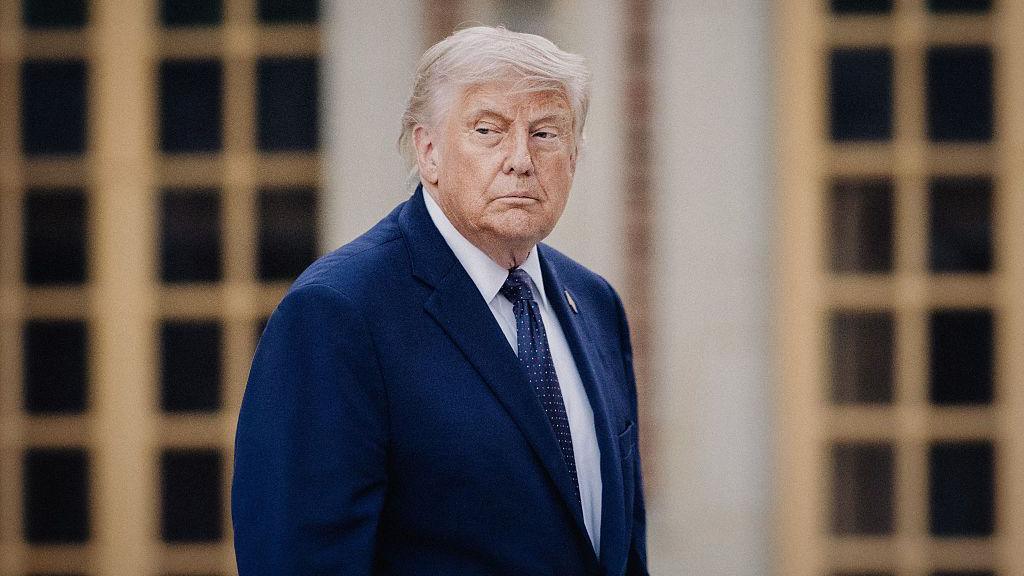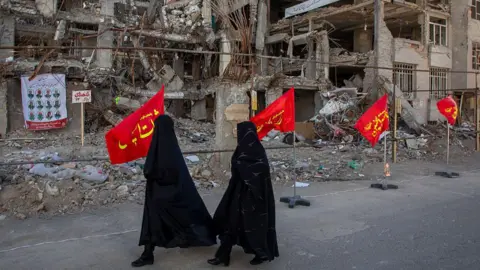
US President Donald Trump has set deadlines, made demands and issued threats over the course of the five-week joint US-Israeli war against Iran. But seldom have they been this explicit. The new round of strikes against Iran will be devastating. They will begin at 20:00 Washington DC time on Tuesday (00:00 GMT on Wednesday). Within four hours, every bridge and power plant in the nation will be 'decimated'. Very little is off-limits, Trump said on Monday.
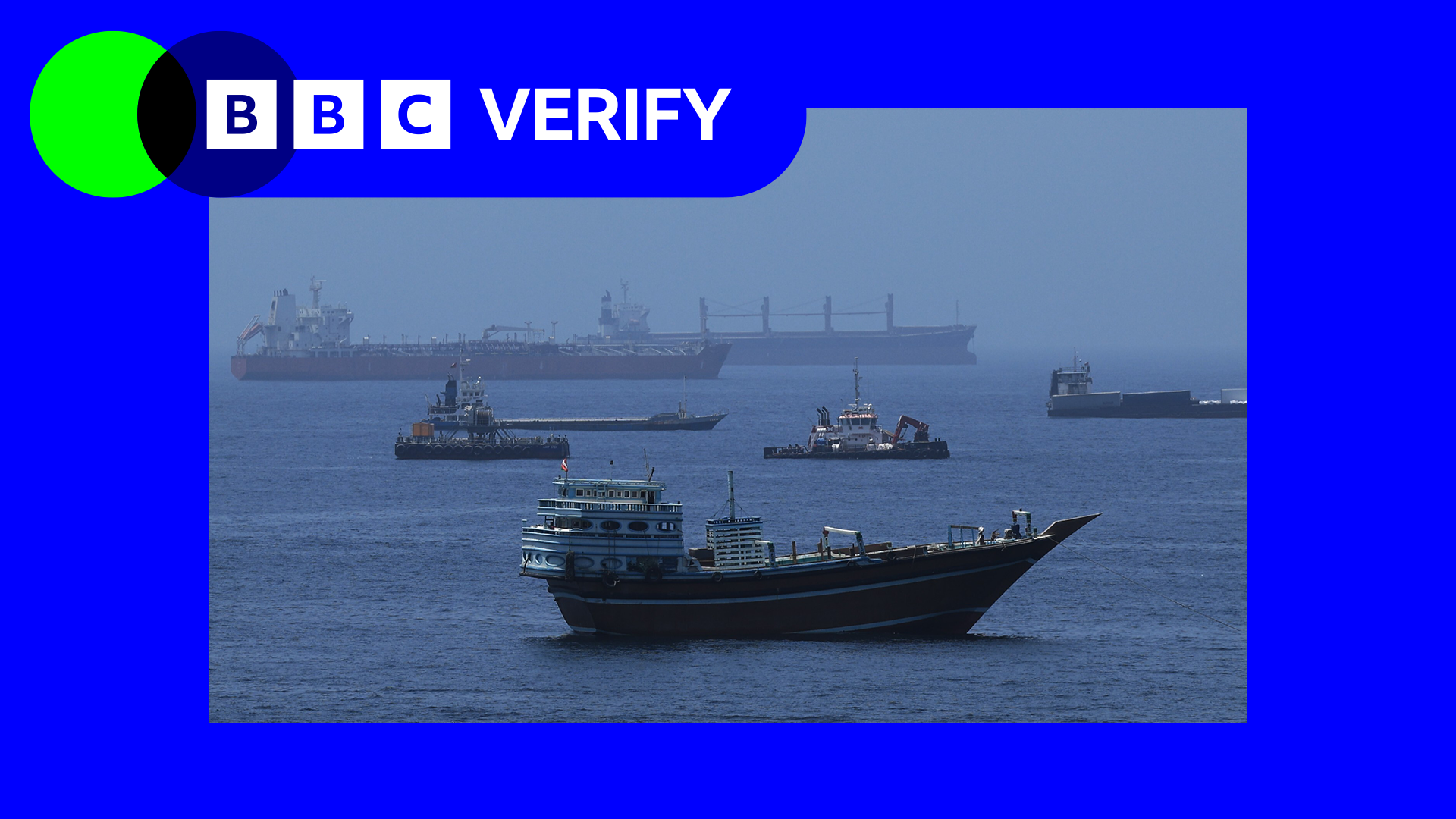
To avoid this fate, according to the president, Iran has to make a deal 'that's acceptable to me'. A component of the agreement should include 'free traffic of oil' through the Strait of Hormuz.
As the final hours tick down, there has been little indication that Iran is ready to agree to Trump's ultimatum. They've rejected a temporary ceasefire and issued their own list of demands, which a US official described as 'maximalist'. This places the US president in a delicate position. If there is no agreement, Trump could extend his deadline – for the fourth time in the past three weeks.
But backing away after such detailed threats could undercut his credibility as the war grinds on. It's possible Iran, and the rest of the world, could conclude that despite America's military might, it is not negotiating from a clear position of strength. During a news conference, Trump insisted, 'We won. They are militarily defeated.'
That 'psychology' – the ability to deter oil tankers from moving through the Strait of Hormuz – may be a more potent Iranian asset than the US has been willing to acknowledge. Even in this late hour, however, Trump continues to hold out hope of a breakthrough, stating, 'We have an active, willing participant on the other side.'
With the stakes as high as they are, the president's opacity is notable. He has a plan – 'every single thing has been thought out by all of us' – but he won't divulge it. Trump said, 'They have till tomorrow. We'll see what happens. I believe they're negotiating in good faith. I guess we'll find out.'
To avoid this fate, according to the president, Iran has to make a deal 'that's acceptable to me'. A component of the agreement should include 'free traffic of oil' through the Strait of Hormuz.
As the final hours tick down, there has been little indication that Iran is ready to agree to Trump's ultimatum. They've rejected a temporary ceasefire and issued their own list of demands, which a US official described as 'maximalist'. This places the US president in a delicate position. If there is no agreement, Trump could extend his deadline – for the fourth time in the past three weeks.
But backing away after such detailed threats could undercut his credibility as the war grinds on. It's possible Iran, and the rest of the world, could conclude that despite America's military might, it is not negotiating from a clear position of strength. During a news conference, Trump insisted, 'We won. They are militarily defeated.'
That 'psychology' – the ability to deter oil tankers from moving through the Strait of Hormuz – may be a more potent Iranian asset than the US has been willing to acknowledge. Even in this late hour, however, Trump continues to hold out hope of a breakthrough, stating, 'We have an active, willing participant on the other side.'
With the stakes as high as they are, the president's opacity is notable. He has a plan – 'every single thing has been thought out by all of us' – but he won't divulge it. Trump said, 'They have till tomorrow. We'll see what happens. I believe they're negotiating in good faith. I guess we'll find out.'