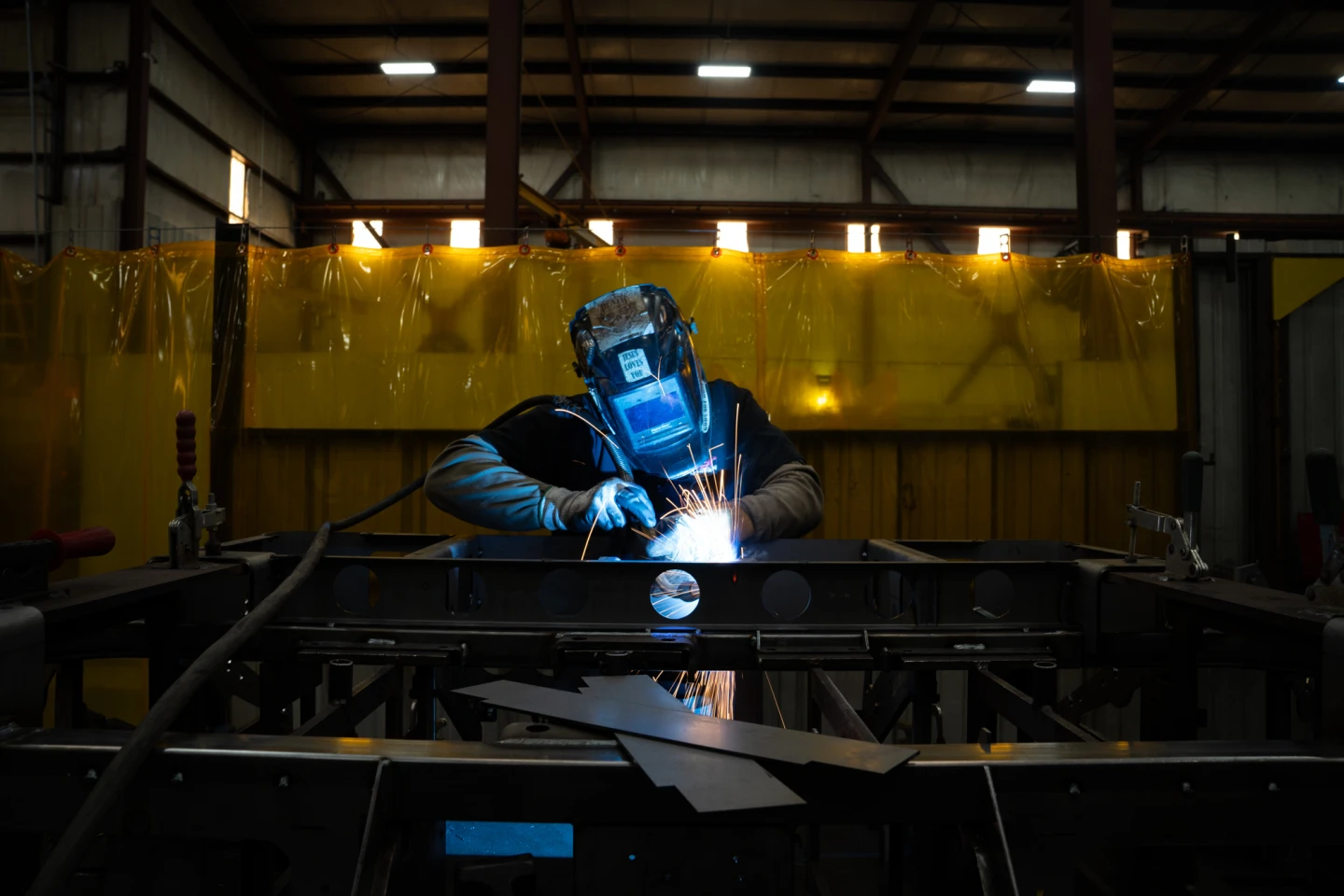
WASHINGTON (RTW News) — Jay Allen, a supporter of President Donald Trump, initially backed him with hopes of tax cuts and regulatory relief to boost his manufacturing business in northeast Arkansas. However, the tariffs central to Trump’s economic strategy have caused significant harm to his company, Allen Engineering Corp., which specializes in industrial equipment for concrete work. These import taxes have sharply increased costs for essential components made overseas, like engines and steel, threatening the viability of his operations.
Allen’s situation highlights a growing body of evidence that contradicts the administration's assertions about tariffs benefiting American factories. While Trump claimed these measures would spur growth, many manufacturers report difficulties, leading to job losses and reduced profitability. In fact, Allen’s workforce has dwindled from 205 to 140 employees, with the company operating at a loss in 2025. Despite raising prices to mitigate losses, he acknowledges that this could hinder sales.
“The unintended consequences of these tariffs are crippling our manufacturing sector,” Allen commented, emphasizing the struggles faced by working-class individuals reliant on these jobs.
The Trump administration’s initial rationale for tariffs was their potential to compel domestic factory openings and help close federal budget deficits. Yet, recent reports show a concerning trend: approximately 98,000 manufacturing jobs were lost during Trump's first year back in office. Companies are now seeking over $130 billion in refunds from the government due to these duties, even as the national deficit is forecasted to rise significantly over the coming decade.
While the White House claims that construction spending is up and productivity is increasing, many believe that these positive indicators are primarily linked to initiatives from President Biden’s administration, like the CHIPS Act.
Manufacturers have expressed frustration with the ongoing uncertainty surrounding tariffs, which complicates their ability to plan future investments. The unpredictable nature of Trump’s tariff policies, including numerous modifications and legal challenges, has left many businesses cautious.
For instance, it’s uncertain if engine manufacturers will risk relocating production to the U.S. if tariffs remain unstable. Economic experts warn that a significant rebound in manufacturing jobs could take years if not decades to materialize.
Additionally, steel tariffs, which were recently increased, have disproportionately affected smaller manufacturers who lack the financial clout of larger corporations. This has hampered production capacities, leading to increased operational costs. While aimed at revitalizing the domestic steel industry, these tariffs have impacted equipment manufacturers like Calder Brothers in South Carolina, who have seen steel prices soar since the tariffs were imposed.
Amidst this economic backdrop, China’s trade surpluses have ballooned, challenging Trump's claims of enhancing U.S. manufacturing competitiveness.
Ultimately, the ongoing tariff policy appears to be less effective in achieving its stated goals and more of a liability for many American manufacturers.