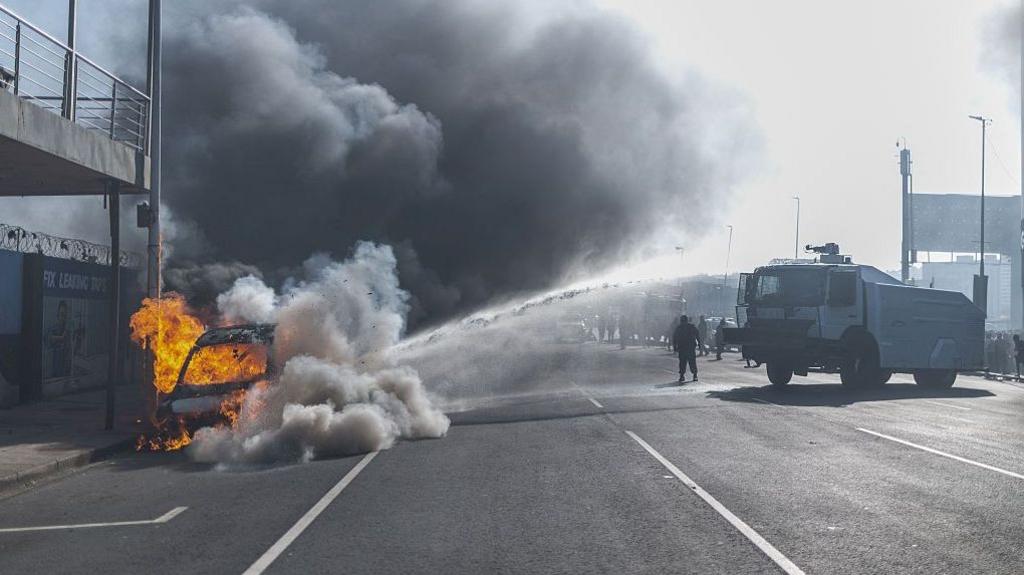
South Africa Sees 24 Vehicles Torched Amid Anti‑Migrant Violence
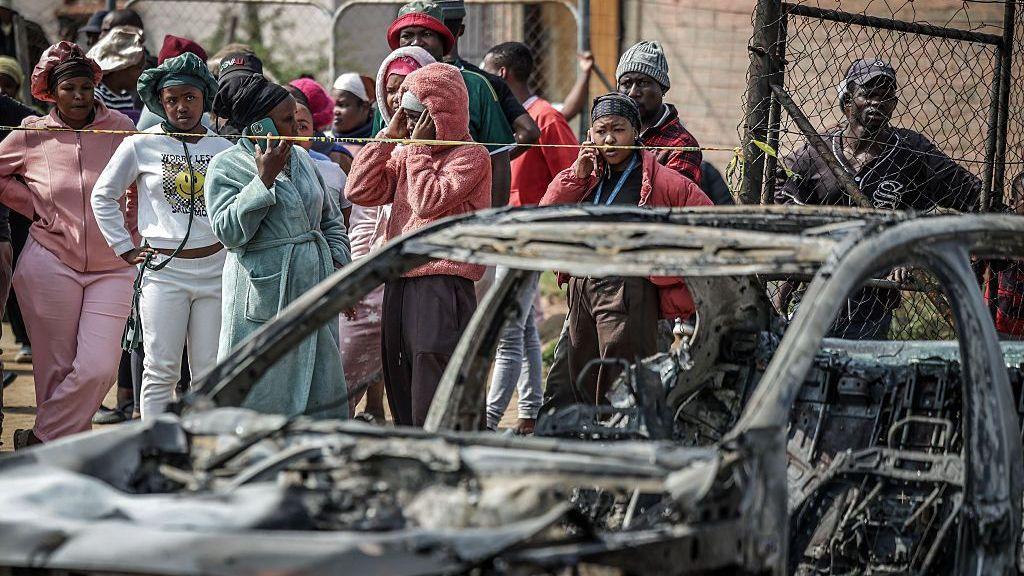
Police say at least 24 cars were set on fire during clashes that erupted in Soweto, a township outside Johannesburg, and in Durban, a major east‑coast port.
The violence followed a Constitutional Court decision that removed certain restrictions on asylum seekers, leading to perceptions that the country is opening its doors to undocumented migrants.
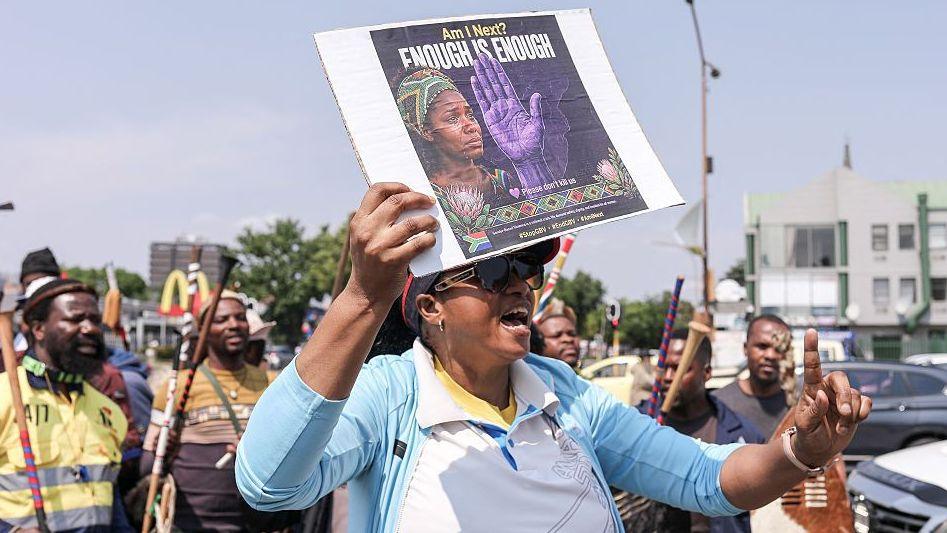
In Soweto, residents rose in the early hours to demand the closure of small convenience stores owned by foreign nationals. Protesters forced shopkeepers out of several premises and set a building ablaze, while nearby businesses shut their doors amid fears of further violence.
Durban saw a separate demonstration outside a government refugee reception centre. Police fired rubber bullets to disperse the crowd after an alleged assault on a protester by a foreign national, an incident that sparked a flare‑up of hostilities.
According to police reports, 14 vehicles were torched in Durban and 10 in Soweto, with gunshots reported in the township during confrontations between residents and foreign shopkeepers. The authorities have promised to pursue those responsible.
The latest unrest follows a July ruling that struck down barriers preventing some people from applying for asylum in South Africa, a change that anti‑immigration campaigners say could encourage undocumented migration.
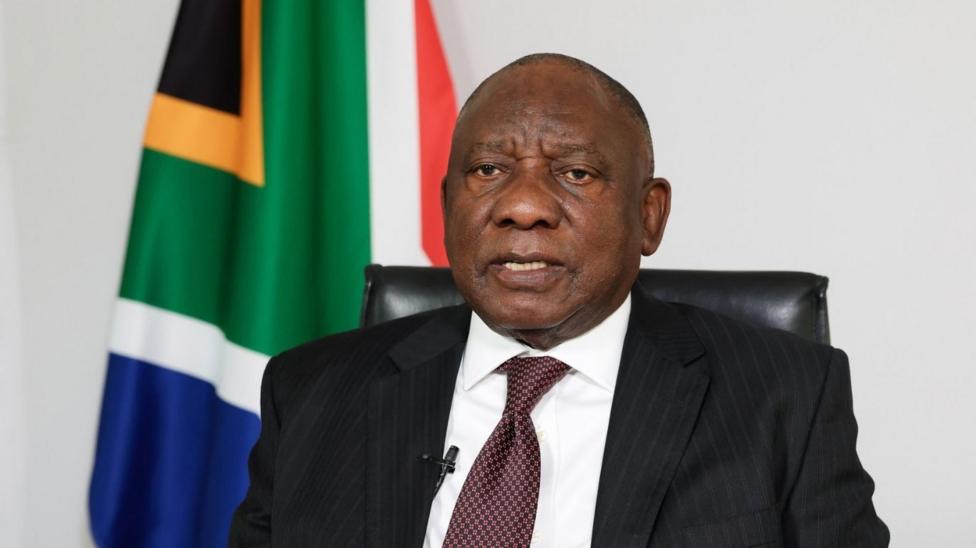
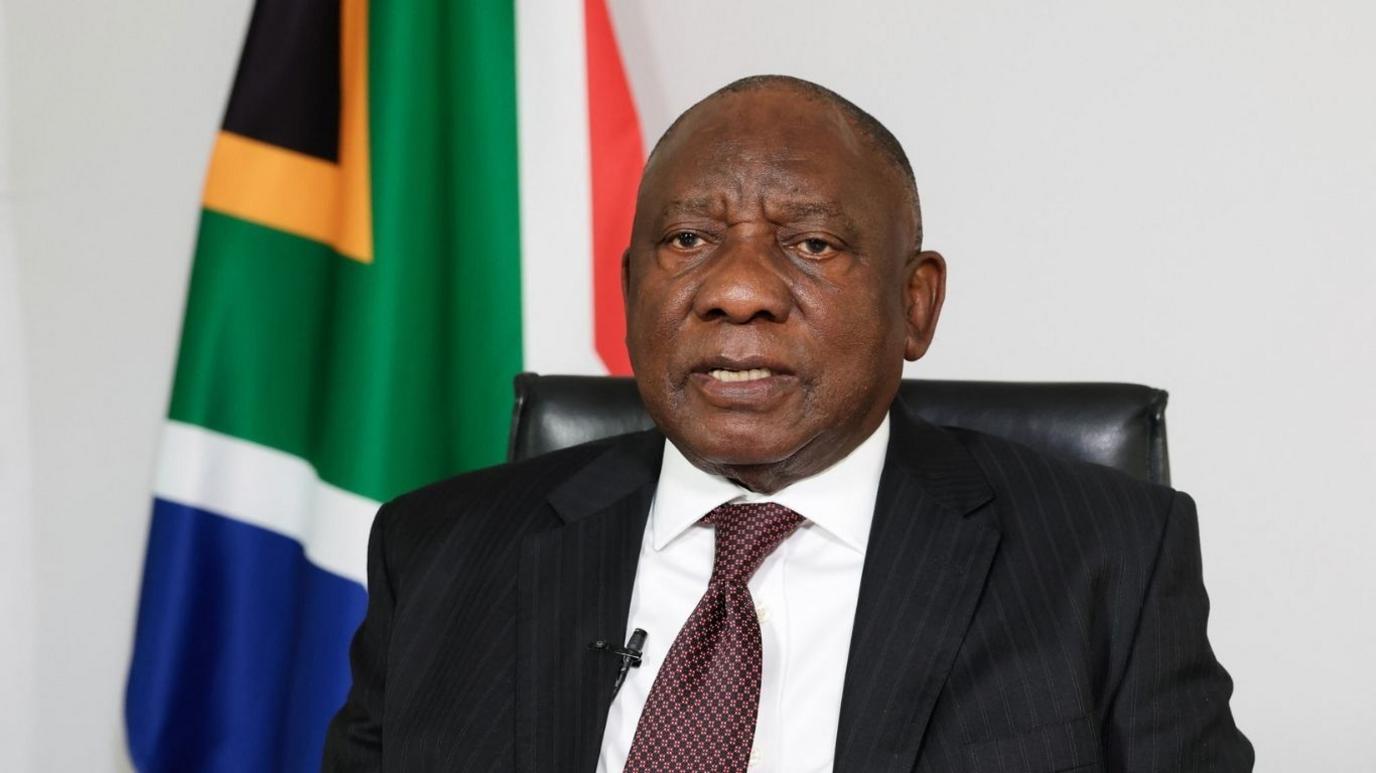
Government spokesman William Baloyi clarified that the ruling does not grant automatic refugee status or permanent residency; applications will still be assessed individually and applicants remain subject to immigration checks.
This wave of xenophobic attacks is part of a pattern that has plagued the country for nearly two decades. In 2008 an outbreak of violence killed more than 60 people and displaced thousands.
The violence now comes against a backdrop of high poverty, deep inequality and a third of the workforce unemployed, conditions that fuel resentment towards foreign residents who are perceived to take jobs and strain public resources.
Despite these challenges, South Africa continues to attract migrants across the continent seeking employment, safety and better opportunities.