Sexual assaults happening almost every day in Ceuta, prosecutors say

Spanish prosecutors say 23 sexual assaults, including nine against children, have been recorded in Ceuta since the mass influx of migrants into the Spanish exclave at the end of July.
That number meant there was almost one case every day, Ceuta's chief prosecutor Silvia Rojas said.
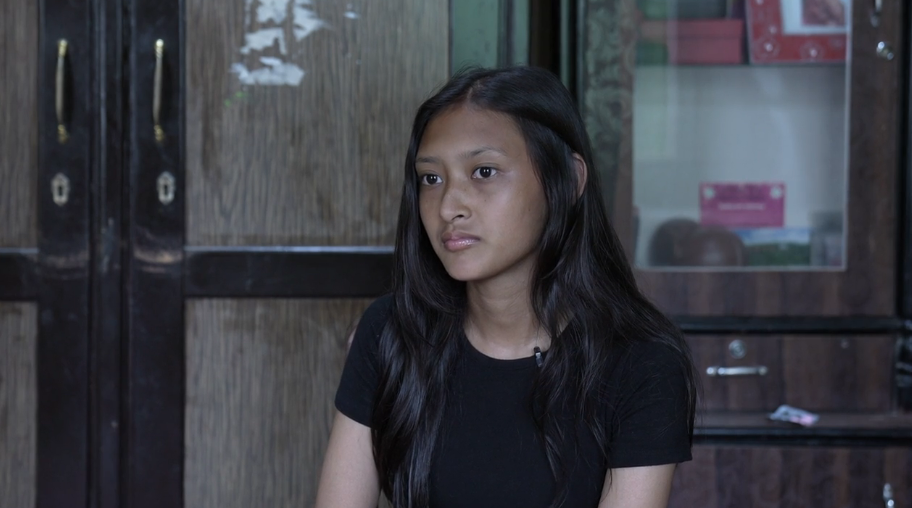
She told El País that migrant girls were "particularly vulnerable" because of their irregular status in the territory.
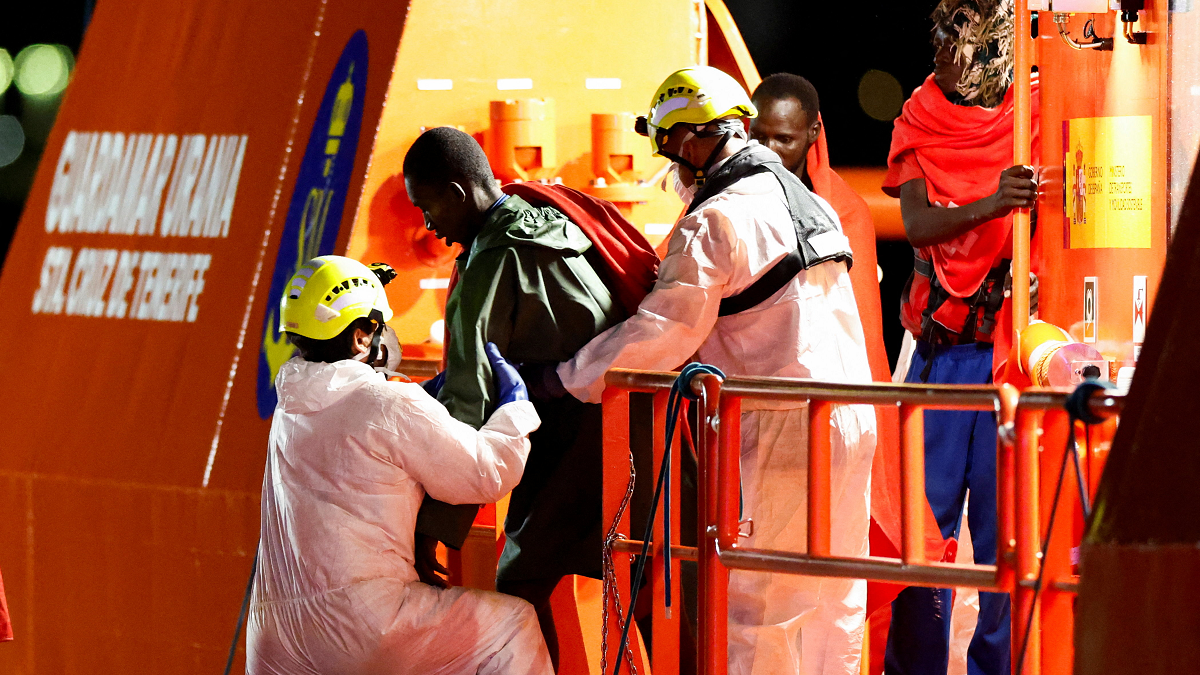
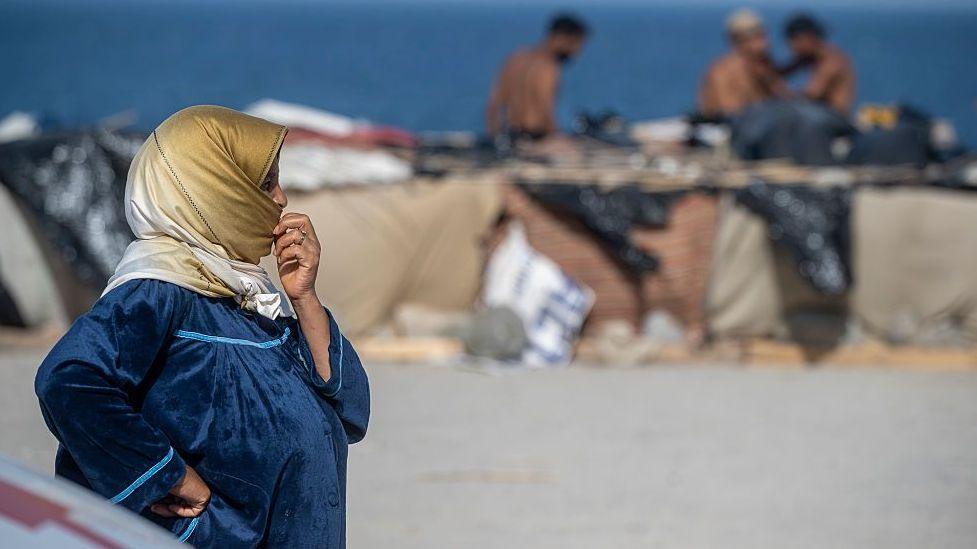
At least 72,000 migrants crossed from Morocco into Ceuta on 30 and 31 July, and although most have returned, as many as 5,000 remain—leading to unrest in the autonomous city and a crisis for Spanish Prime Minister Pedro Sánchez.
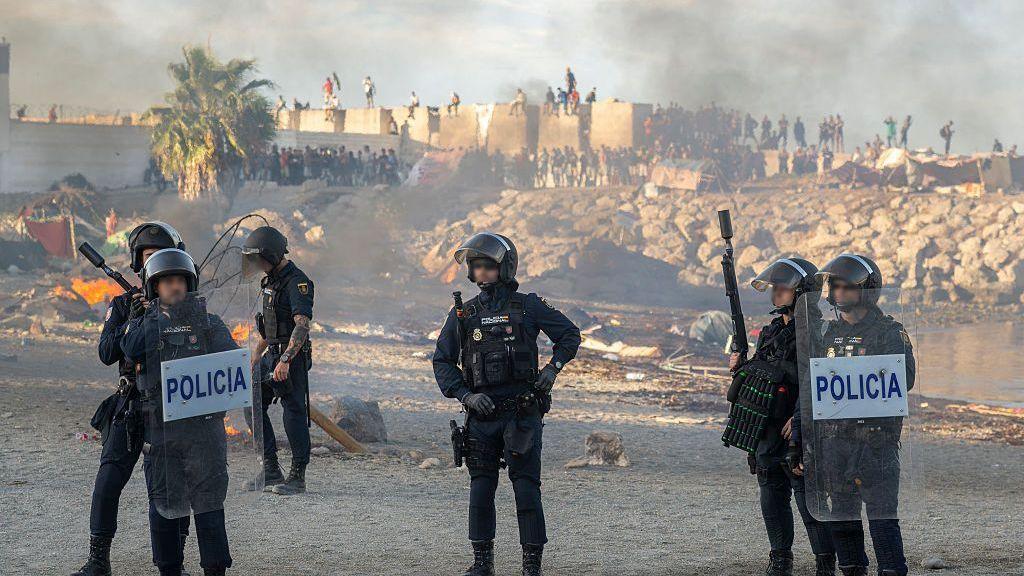
There have been scenes of violence in recent days as tensions flare between migrants and local residents.
Sánchez called the second meeting of his national security committee in a week on Tuesday to tackle the issue.
Between 1,400 and 1,600 of the estimated 5,000 migrants still in Ceuta are children, according to Rojas.
Among the suspected attackers are four Moroccans, three Spaniards and a Belgian, according to Efe news agency reports.
Rojas said many victims did not file a report, either out of fear of their "current situation in Ceuta".
The Spanish Society of Epidemiology has warned that violence against women "cannot be considered an isolated event".
Economy Minister Carlos Cuerpo said a multi‑million‑euro aid package had been approved to provide essential services and cover care for unaccompanied children.
The territory's conservative mayor, Juan Jesús Vivas, has called on Spaniards to take part in demonstrations across mainland Spain in support of Ceuta on Wednesday, coinciding with the city's annual holiday.
The Spanish government is facing bitter criticism from opponents for its handling of the crisis; the hard‑right Vox party said Sánchez had not "lost control of Ceuta – he has handed it over".
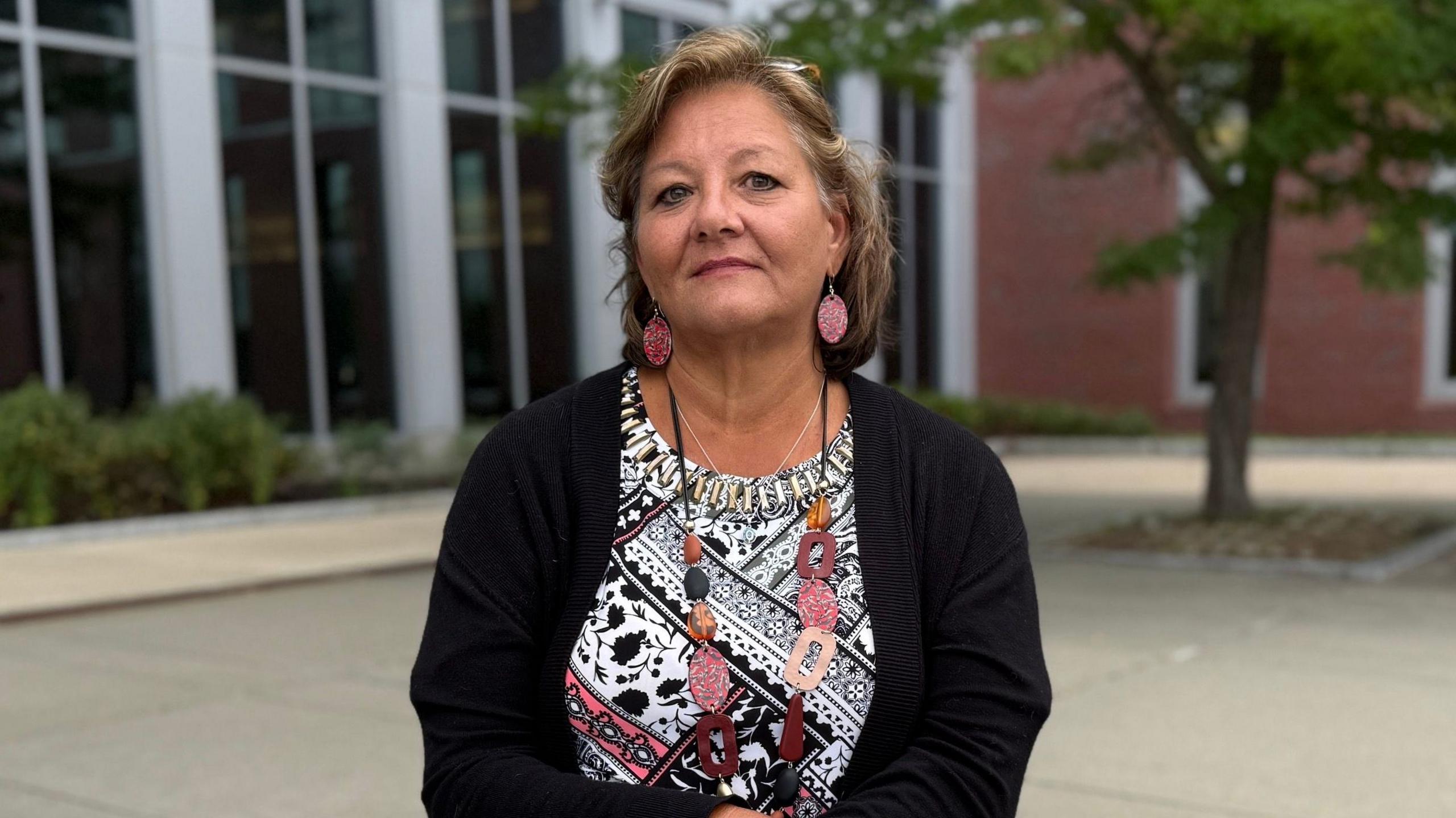
Arantxa Campos, president of the Ceuta Employers' Confederation, told the BBC: "We can't do anything unless these people leave. We don't have a plan from the government. We don't even know when they're going to finish screening everyone."
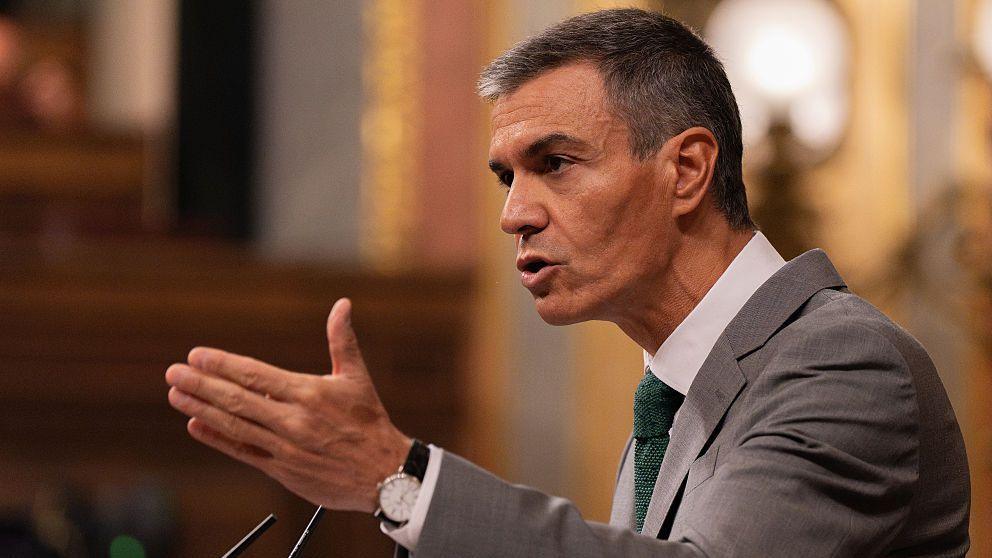
In a separate parliamentary statement, Prime Minister Sánchez said the King would visit Ceuta "as soon as conditions allow", a move viewed as an attempt to assert Spanish authority over the exclave.
The visit could spark diplomatic tensions, as Morocco has a long‑standing claim over Ceuta and its sibling autonomous city of Melilla.