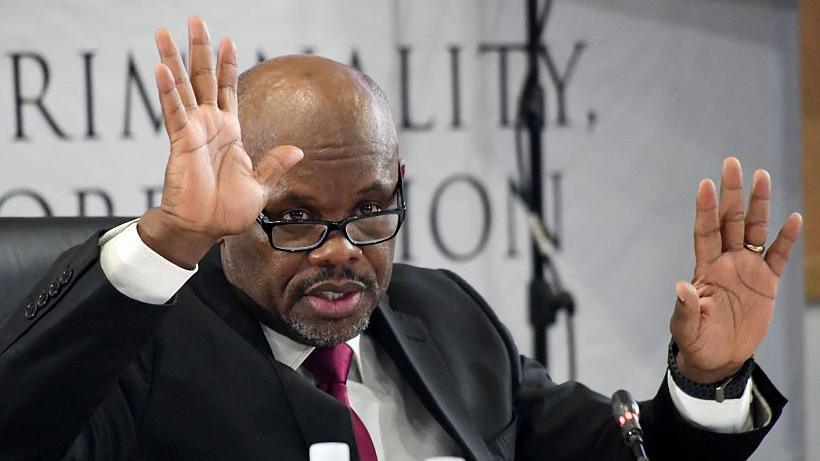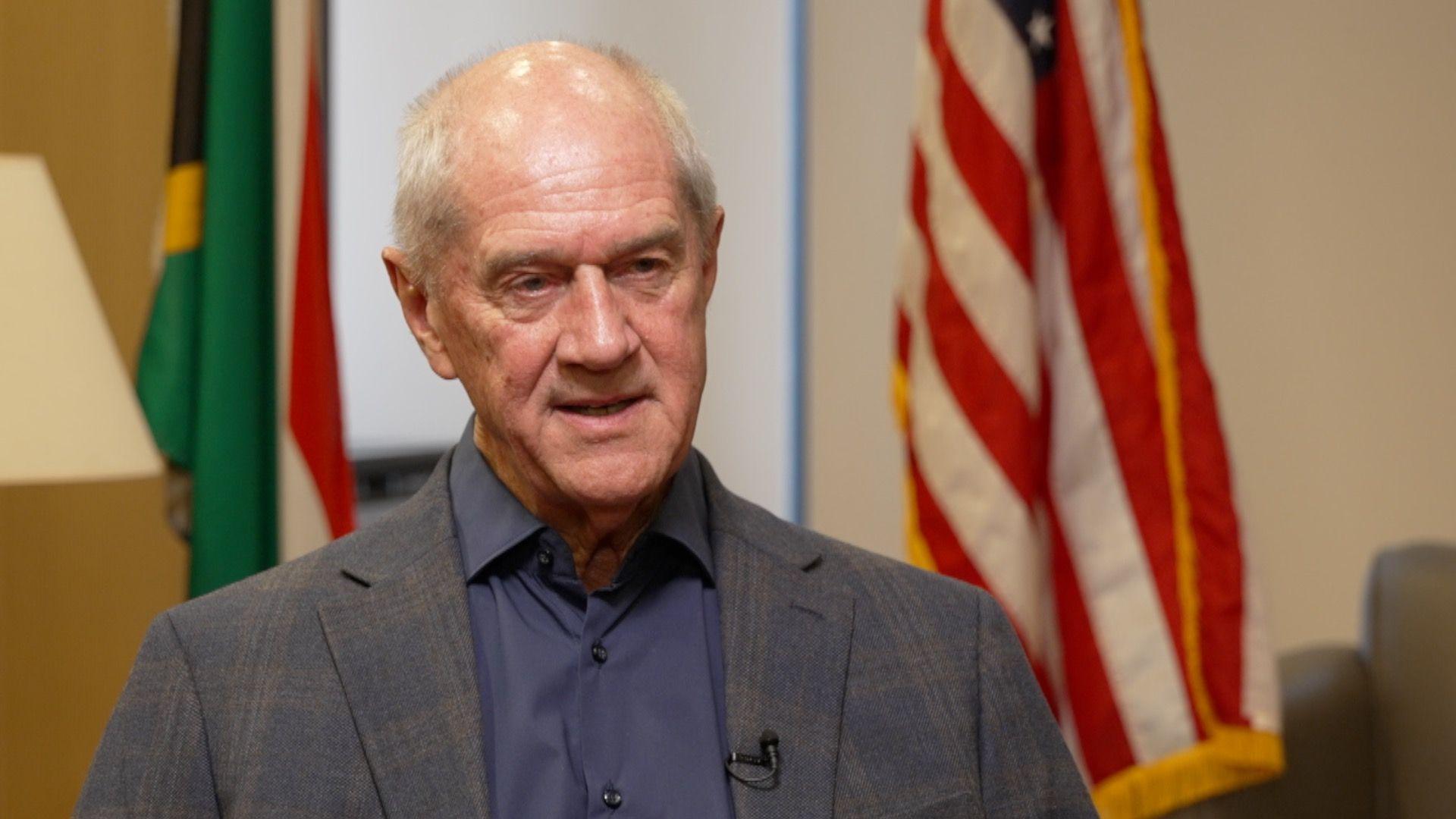
South Africa’s new U.S. ambassador, Roelf Meyer, has publicly denied the United States’ former President Donald Trump’s claim that a "white genocide" is occurring in the country.
Meyer, a born Afrikaner with a history of mediating the end of apartheid, told the BBC that he had never witnessed violence “that qualifies as genocide.” The remarks came after Trump had announced a refugee pathway for Afrikaners and praised the plight of white South Africans in Washington.
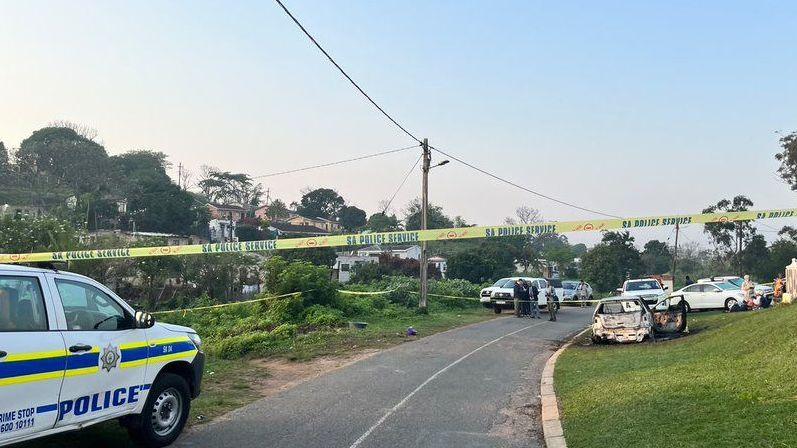
During the interview, Meyer stressed that the claims were “misrepresented” and that the South African government has never barred people from leaving the country. He also noted that crime on farms—often a matter of robbery or burglary—makes up a small fraction of homicides nationwide.
Meyer said his appointment as ambassador was an effort to mend U.S.–South Africa relations and that he had the “legitimacy” to speak on the subject as a native Afrikaner. He urged Trump to reassess the executive order that underpins the refugee pathway, describing it as an unnecessary and punitive measure against a country that has addressed U.S. concerns.
The South African president, Cyril Ramaphosa, who was not in the room for the interview, has publicly dismissed the genocide claim. In a separate address, he said that the story was “false” and “unfounded.”
In contrast, some Afrikaner groups in South Africa today see the narrative as a moral imperative and have staged vigils on Washington’s National Mall with white crosses to commemorate alleged farm attacks.
Critics argue that the policy singles out a minority for a purpose that the U.S. claims would be misused. They contend that the focus should shift to the broader crime problem affecting black townships and to the systemic inequalities that arose after apartheid.
Meyer called for a practical engagement on crime and urged the U.S. to help South Africa equip law‑enforcement agencies. He said that only internal action—improving police response and community policing—would meaningfully address the security concerns he cited.

While the United States continues to process applications, the debate over whether a threat to Afrikaners exists remains contentious. As the U.S. considers admitting up to 17,500 new refugees over the next year, both sides of the debate spotlight what they view as injustice or a missed opportunity for diplomacy.