South Africa’s new ambassador to Washington, Roelf Meyer, has publicly denied claims that a “white genocide” is occurring in his homeland, calling the allegations “baseless and untrue.”
Meyer, a former member of the National Party who helped negotiate the end of apartheid, said he could speak authoritatively on the matter because he is a born Afrikaner. In a BBC interview, he told reporters that the narrative of a mass attack on white South Africans “does not exist” and urged the United States to review the executive order that has enabled the Trump administration’s expedited refugee programme.
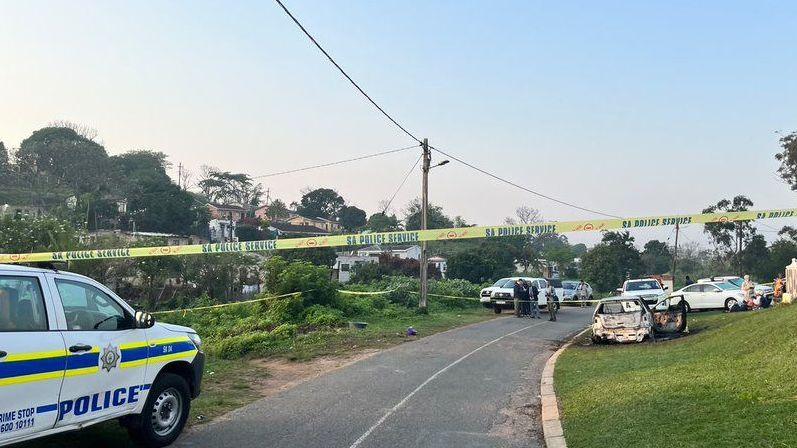
The policy, announced in 2025, has seen nearly 13,000 Afrikaners admitted to the U.S. last year – 12,997 of them from South Africa – amid a broader debate over farm violence and racial inequality. Meyer noted that while white farmers do experience attacks, the majority of crime statistics in South Africa involve Black people, and such incidents do not amount to persecution on the scale Trump’s rhetoric suggests.
He echoed the sentiment of many South Africans who reject the genocide narrative, including the idea that the country is a “white wasteland” under threat. Meyer described the situation as a loss of privilege rather than an existential crisis, and called on those who feel aggrieved to pair external protest with internal transformation.
Meyer also urged the U.S. to provide resources to help South Africa combat crime, especially in black townships, and stressed that the land‑expropriation law, which the U.S. has highlighted, is still awaiting a court ruling. He said, “If we want a better future, we must solve problems within our own borders.”
The ambassador’s comments arrive amid ongoing tensions between Washington and Pretoria, with the U.S. threatening additional punitive actions unless South Africa addresses alleged discrimination against white South Africans. For now, the message is clear: claims of genocide in South Africa are unsubstantiated, and the next step is to move beyond rhetoric and work towards security and equality for all South Africans.