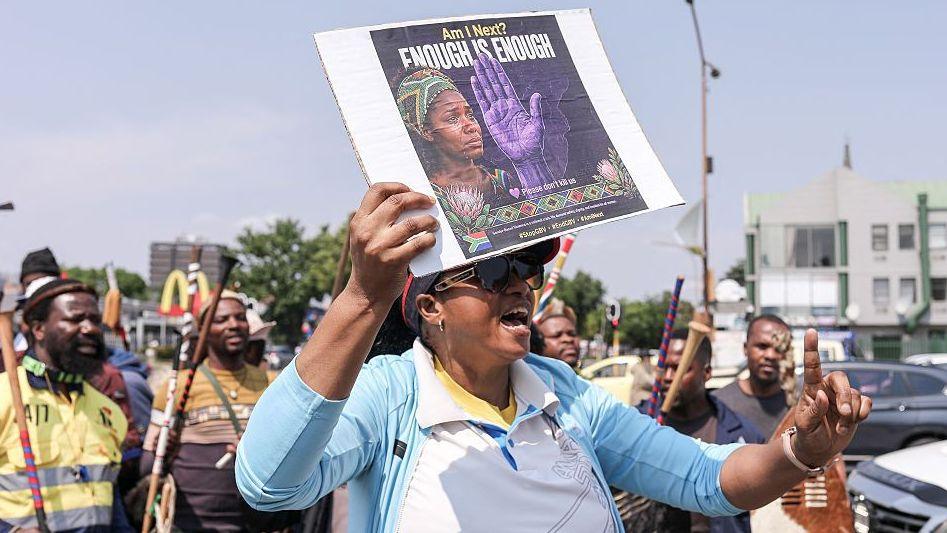
In a maze of corrugated‑metal shacks along a dusty lane in Johannesburg’s Organic Market, a group of men has gathered for a very different purpose than the night‑time trade usually sees. They are meeting to discuss how to stop the high levels of violence that women in South Africa now endure.
Thirty‑year‑old Kgomotso Mathekga sits with a determined look, admitting that he has taken a woman’s hand to a face after a drunken quarrel. He says he feels the weight of his actions and that he no longer wants to be the kind of man who hurts instead of protecting.
The meeting is organised by Bra Steve, a local leader of the non‑profit Father A Nation. The group sits in a circle of chairs on a dusty floor, raising fists, shouting, and listening as men break the silence that surrounds men’s abuse of partner, sister, and neighbour.
South Africa’s police reports show that in just the last three months more than 5,400 people have been killed, and at least 569 women have been murdered, with the violence concentrated around urban areas such as Johannesburg and the neighbouring Ekurhuleni. The Human Sciences Research Council estimates that more than a third of South African women have faced physical or sexual violence from a partner.
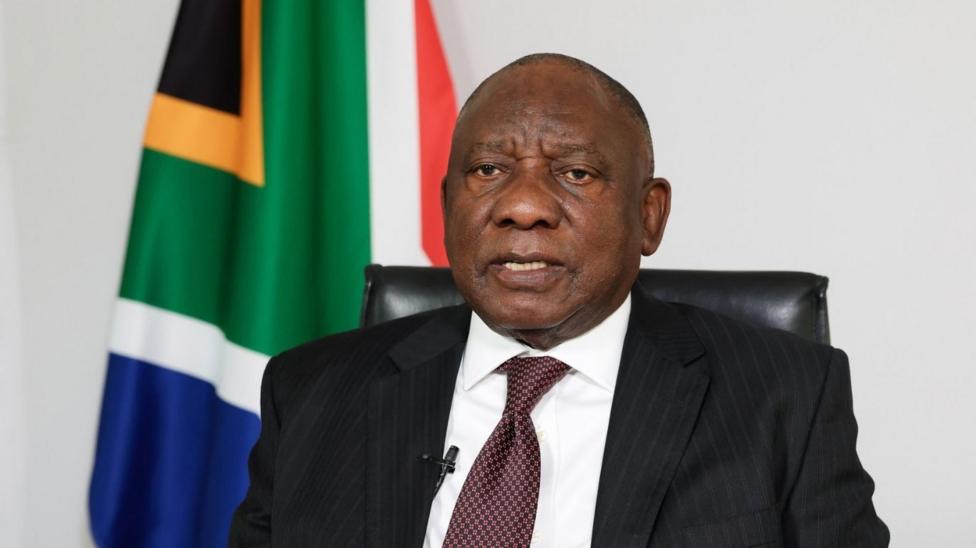
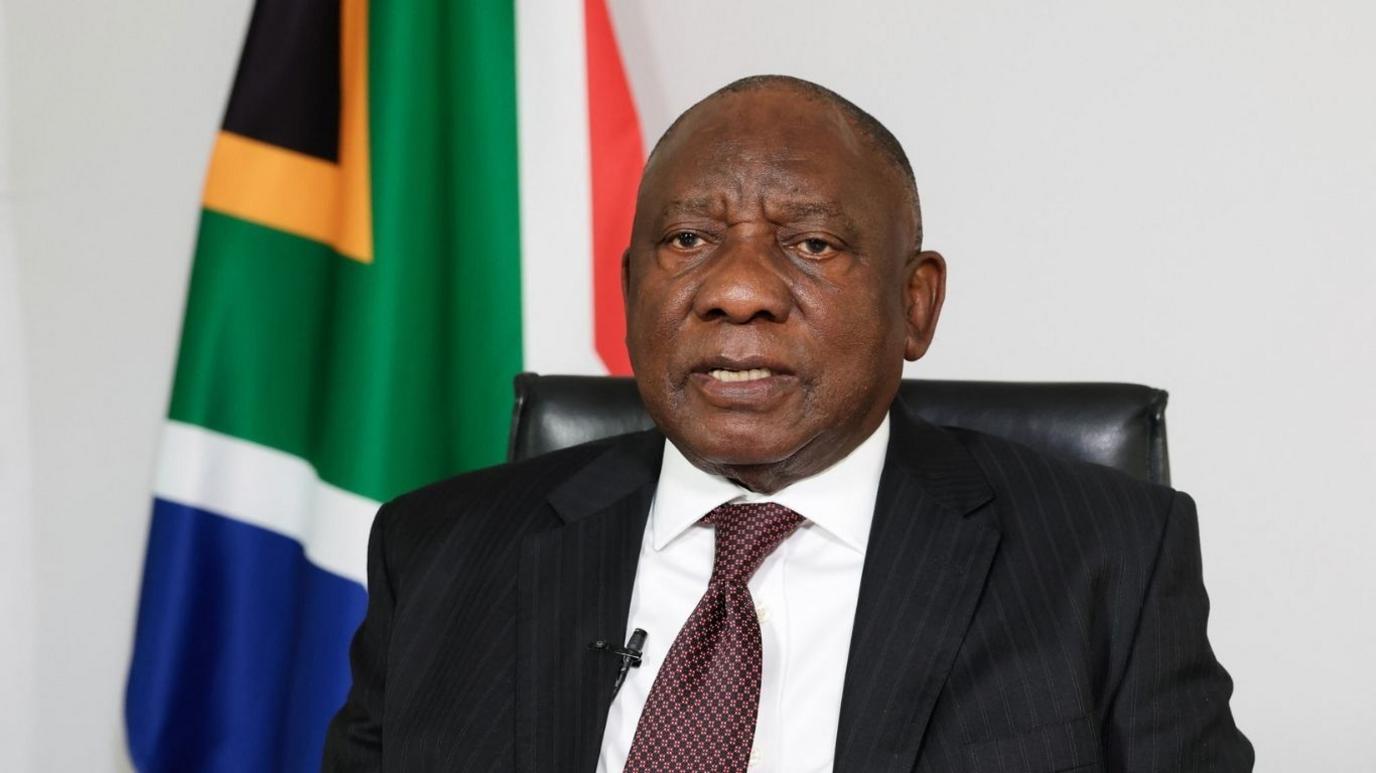
President Cyril Ramaphosa has publicly acknowledged that the government has not yet done enough. He has announced measures such as improved street lighting and a review of unsolved cases, but critics say the action is too little and too late.
Bra Steve stresses that the core of Father A Nation’s work is to give men a chance to understand what it means to be a healthy, respectful partner. He believes that if men start to recognise their own responsibility, they can stop the cycle of violence before it takes hold again.
Women from the area express growing fear. A local hairdresser says she now chooses to ride an app‑based taxi because walking alone at night feels dangerous. She urges men to come to the meetings and to speak openly, so that more people will feel safe.
The movement’s leaders hope that if each man knows he plays a part, the nation can stop the rise of femicide and create a society where women are no longer the “victim” of male violence but are treated with dignity and respect. Those gathered today signed off by pledging to continue practising the lessons they have learned, to become the role models that the community now so desperately needs.