In brief
The ongoing protests in Iran have led to a significant number of injuries, with many protesters opting for secret medical treatment instead of seeking help at hospitals. Fear of arrest by security forces has caused individuals like Tara and Nima to rely on the aid of private individuals and sympathetic healthcare workers, while reports indicate that thousands of deaths and injuries go unreported due to internet shutdowns and governmental restrictions on information. Accounts from the ground highlight the dire straits of both injured protesters and the medical professionals who assist them.
In the city of Isfahan, Tara recalls the moment she was injured during a protest. As security forces approached, shots rang out, and she and her friend were covered in blood. People helped us and we got into a car... I said, 'Don't take us to a hospital.' Fear of arrest led them to seek refuge in the home of a nearby couple instead of seeking medical help at hospitals, which are heavily monitored by security forces.
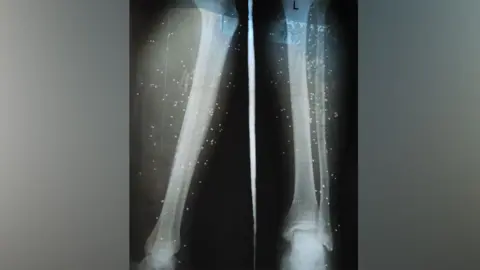
Secretive medical care has become a necessity for many injured during the protests. One volunteer doctor described operating for 96 hours straight, overwhelmed by the sheer volume of injured protesters requiring emergency aid. Citing the fear of identification, doctors often try to avoid documenting gunshot wounds in medical records, all while government scrutiny looms large over the hospitals.
The Human Rights Activists News Agency (HRANA) recently reported that an alarming number of over 6,000 deaths have occurred due to the protests, with many more injured. In smaller cities, the situation is even more desperate, with reports of security forces abducting patients from hospitals.
As the situation in Iran continues to evolve, the stories of those caught in the crossfire of activism and governmental repression reveal the perilous balance between seeking help and fearing reprisals. Protesters like Tara and Nima represent the urgent need for humanitarian aid amid a tightening clampdown.