Thousands of files provided by a whistleblower at Interpol expose for the first time the extent of Russia's apparent abuse of the international policing agency to target its critics abroad.
The data provided to the BBC World Service and French investigative outlet, Disclose, reveals that Russia is using Interpol's wanted lists to request the arrest of people such as political opponents, businessmen, and journalists, claiming that they have committed crimes.
Analysis of data also suggests that over the past decade, Interpol's own independent complaints unit has received more complaints about Russia than anyone else - three times more than the next highest country, Turkey.
In addition, it indicates complaints against Moscow's requests have led to more cases being overturned than for any other country.
After Russia's full-scale invasion of Ukraine, Interpol introduced extra checks on Moscow's activity to prevent any potential misuse of Interpol's channels in relation to the targeting of individuals within or beyond the conflict in Ukraine.
But the leaked documents suggest these did not prevent Russia from abusing the system, and the whistleblower told us some stricter measures were quietly dropped in 2025.
In response, Interpol says that every year, thousands of the world's most serious criminals are arrested thanks to its operations and that it has a number of systems to avoid misuse which have been strengthened over the last few years.
It also says it is aware of the potential impact requests for arrest can have on individuals.
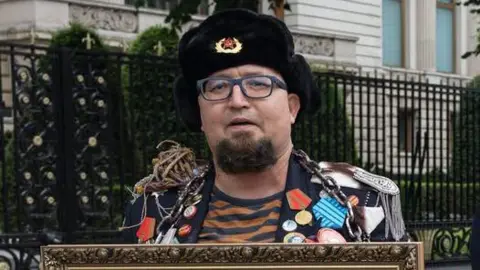
After Pestrikov had spent almost two years on the wanted list, the Commission for the Control of Interpol's Files (CCF) ruled that his case was predominantly political. He showed us CCF documents that said the information Russia had provided was generic and formulaic and there had been an inadequate explanation of the alleged crime. Interpol cancelled the request for Pestrikov's detention.
The BBC also gained access to internal Interpol reports from 2024 and 2025 which show ongoing concern around Russia's activities from senior directors within the organisation.
Despite the extra restrictions on Russia, the reports show that approximately 90% of Russia's requests were still passing initial checks in 2024. In the same period, the CCF was overturning roughly half of all Russian requests that it received complaints about, raising questions about the effectiveness of the measures.
The leaked documents reveal a troubling narrative about Russia's manipulation of Interpol's system to silence dissent globally, with calls for greater accountability from the agency itself to mitigate future abuses.