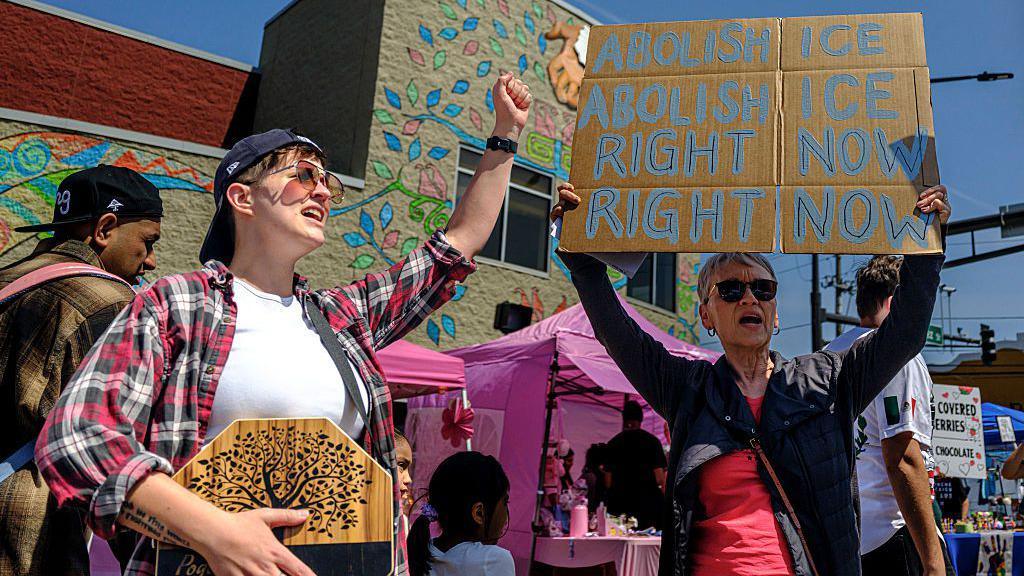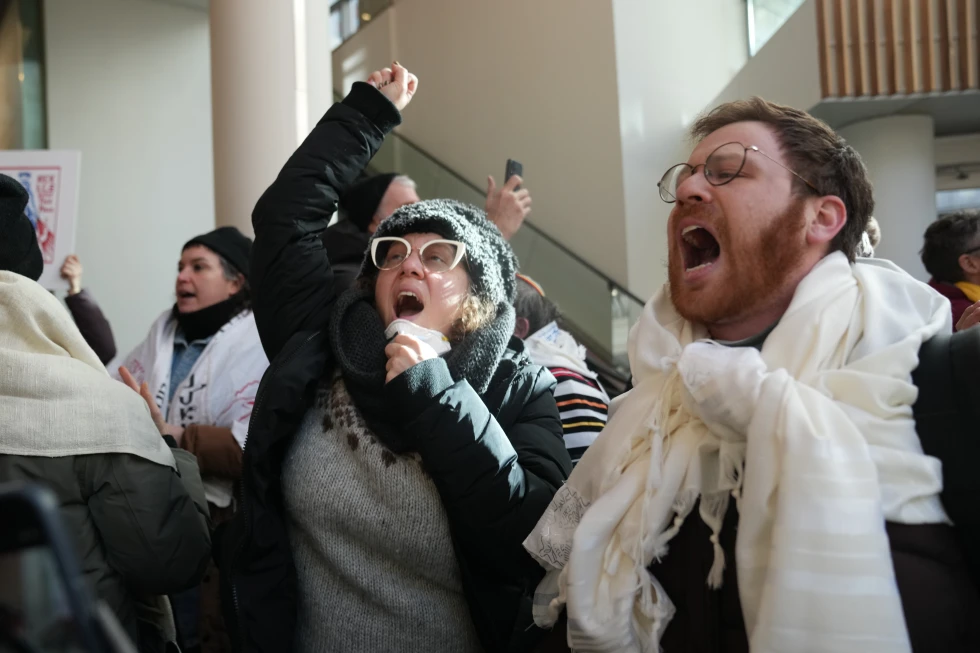
American religious history is characterized by various protest movements, yet political protests inside religious venues are rarely seen. The recent case in St. Paul, Minnesota, involving anti-ICE protesters disrupting a service at Cities Church, a Southern Baptist congregation, is a notable exception. Three protesters were arrested on federal charges following the demonstration, which led to a significant dialogue regarding the legality and morality of conducting protests in sacred spaces.
Charles C. Haynes, a senior fellow at the Freedom Forum, asserted that disrupting a worship service is against the law, indicating that the protesters likely intended to invoke a profound discussion about civil disobedience. Historically, acts of civil disobedience have spotlighted social injustices, such as the renowned demonstrations during the Civil Rights Movement led by figures like Martin Luther King Jr.
In the lead-up to her arrest, civil rights attorney Nekima Levy Armstrong, who identifies as a Christian, framed the protest as a necessary moral action on social media, stating, It’s time for judgment to begin and it will begin in the House of God!!!
Legal experts note that while disruptive protests in houses of worship raise important questions regarding freedom of expression, this specific incident has received mixed reactions from religious leaders. Many religious groups opposed the harsh immigration enforcement methods being protested, but the act of protest within a church has fostered discomfort among clergy members.
For instance, Kevin Ezell, president of the Southern Baptists’ North American Mission Board, condemned the act as a violation of a sacred space, while Bishop Mariann Budde of Washington D.C. emphasized the need for protection for all individuals in places of worship.
Such protests are indeed uncommon within houses of worship but are not without precedent. Historical accounts reveal instances of disruptive protests, ranging from radical Quaker actions in colonial America to civil rights demonstrations in segregated places.
The St. Paul incident highlights a growing concern over how political protest and religious sanctity might coexist, sparking a critical conversation about the future of civil disobedience in America. As states continue to enact regulations regarding protests near sensitive locations, the implications for both activists and worshippers remain complex. The three arrested protesters now face significant legal consequences, raising the stakes for similar future actions.
Charles C. Haynes, a senior fellow at the Freedom Forum, asserted that disrupting a worship service is against the law, indicating that the protesters likely intended to invoke a profound discussion about civil disobedience. Historically, acts of civil disobedience have spotlighted social injustices, such as the renowned demonstrations during the Civil Rights Movement led by figures like Martin Luther King Jr.
In the lead-up to her arrest, civil rights attorney Nekima Levy Armstrong, who identifies as a Christian, framed the protest as a necessary moral action on social media, stating, It’s time for judgment to begin and it will begin in the House of God!!!
Legal experts note that while disruptive protests in houses of worship raise important questions regarding freedom of expression, this specific incident has received mixed reactions from religious leaders. Many religious groups opposed the harsh immigration enforcement methods being protested, but the act of protest within a church has fostered discomfort among clergy members.
For instance, Kevin Ezell, president of the Southern Baptists’ North American Mission Board, condemned the act as a violation of a sacred space, while Bishop Mariann Budde of Washington D.C. emphasized the need for protection for all individuals in places of worship.
Such protests are indeed uncommon within houses of worship but are not without precedent. Historical accounts reveal instances of disruptive protests, ranging from radical Quaker actions in colonial America to civil rights demonstrations in segregated places.
The St. Paul incident highlights a growing concern over how political protest and religious sanctity might coexist, sparking a critical conversation about the future of civil disobedience in America. As states continue to enact regulations regarding protests near sensitive locations, the implications for both activists and worshippers remain complex. The three arrested protesters now face significant legal consequences, raising the stakes for similar future actions.