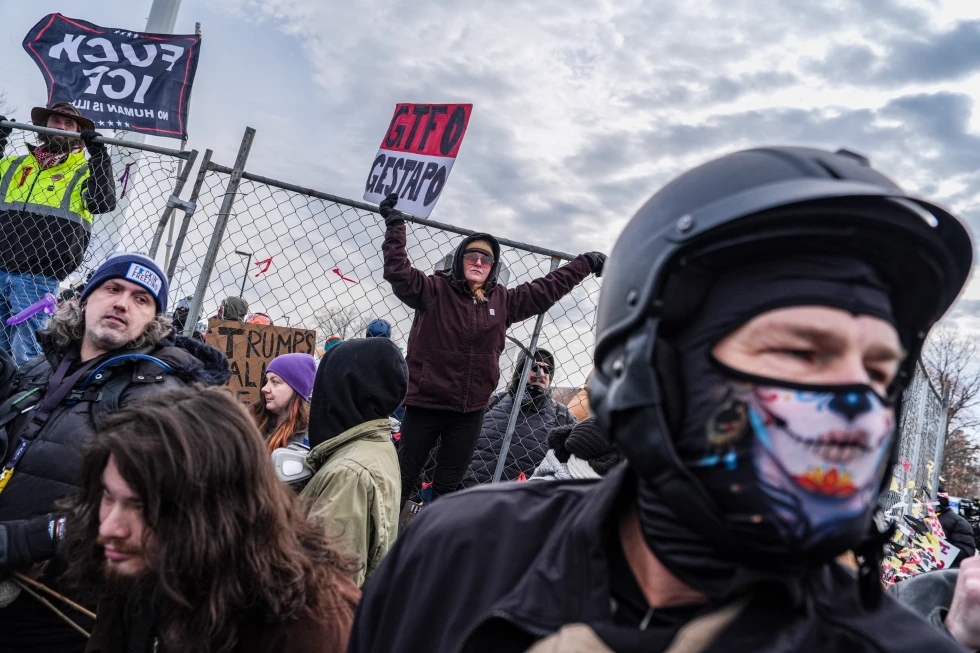
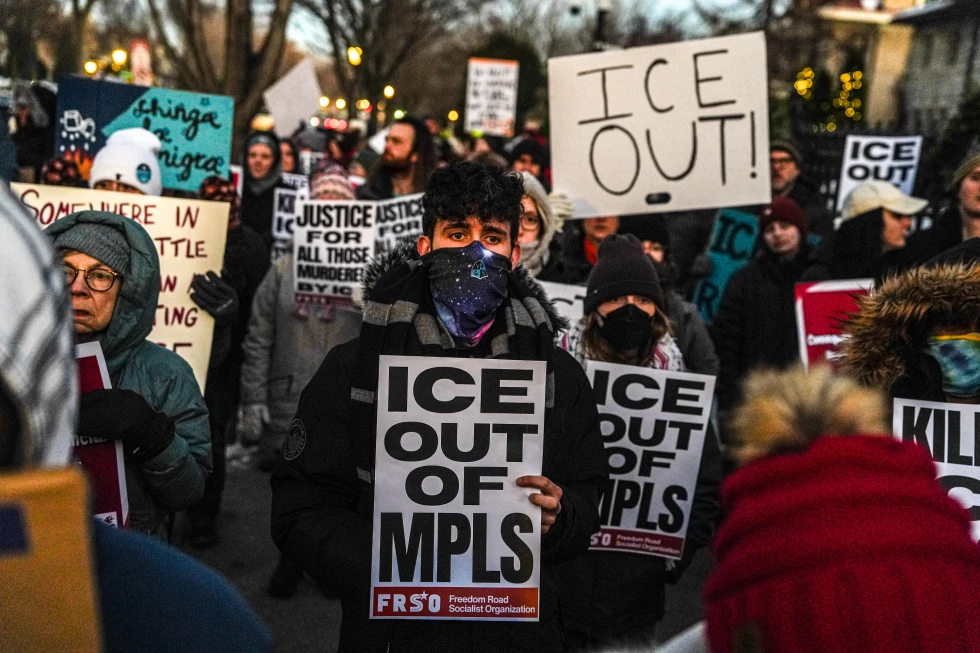
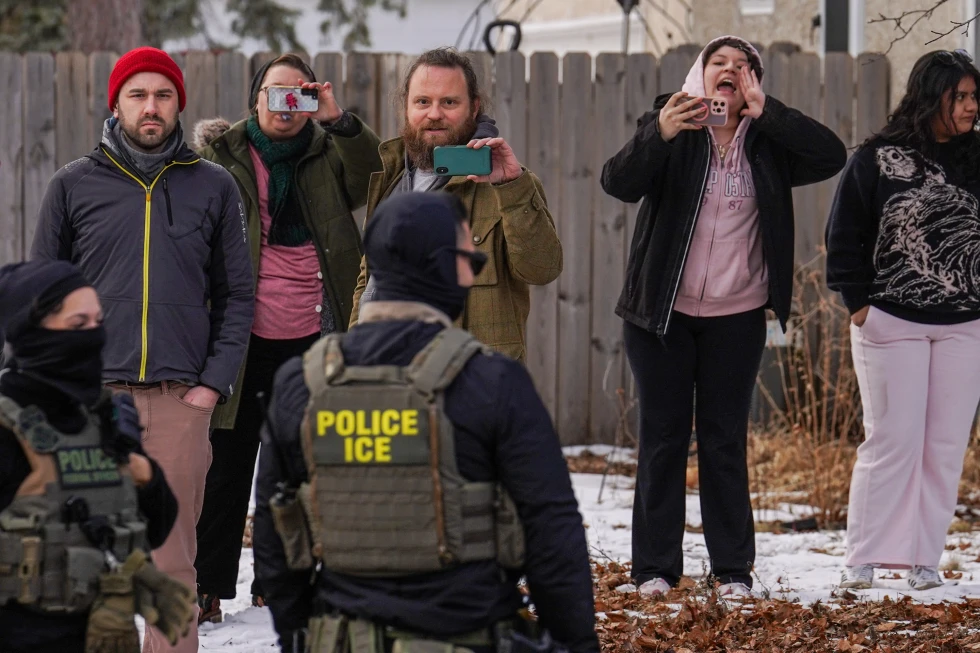
CHICAGO (RTW) — A coalition consisting of protesters, journalists, and faith leaders has decided to drop their lawsuit against the federal immigration tactics employed in Chicago, interpreting their legal maneuver as a victory. Their actions coincide with the decreased presence of federal immigration enforcement, particularly after the departure of senior U.S. Border Patrol official Gregory Bovino, who recently relocated to North Carolina. Despite the dismissal, there are still concerns as other federal officers continue to conduct sporadic arrests in the area. Attorney David B. Owens expressed confidence in the community's victory against what he described as bullying tactics from the Trump administration.
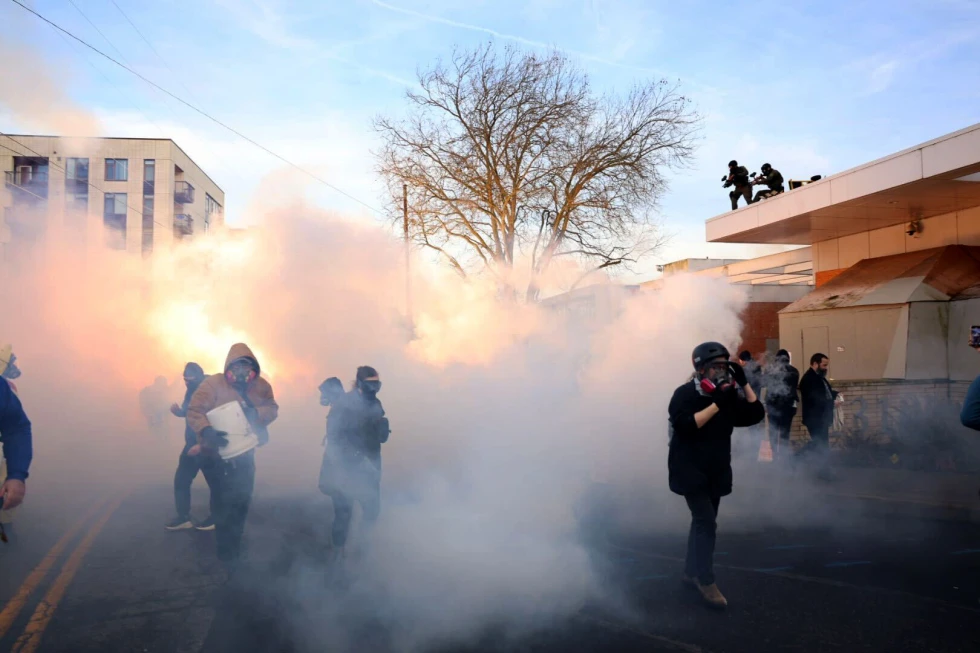
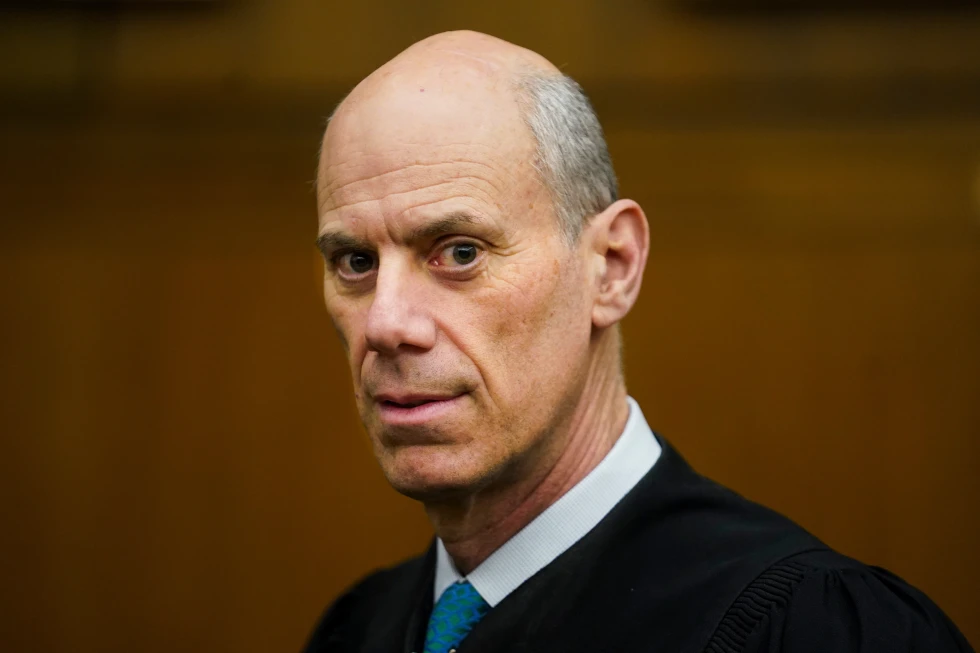
The attorney representing the plaintiffs acknowledged a previous ruling by U.S. District Judge Sara Ellis, who issued a 223-page opinion enforcing restrictions on federal officers' use of force. This injunction came in response to allegations that the federal agents had disregarded the rights of protesters and journalists during immigration crackdowns that resulted in thousands of arrests in the Chicago area.
Though the occupation of aggressive tactics appears to be dwindling, questions about the ongoing practices of other federal agents and the broader immigration policies remain critical. The attorney for the plaintiffs, Steve Art, highlighted the importance of this case as a crucial moment in defending civil rights and exposing the administration's actions. The future of immigration enforcement tactics in Chicago will continue to be monitored as the appeals process unfolds.
The attorney representing the plaintiffs acknowledged a previous ruling by U.S. District Judge Sara Ellis, who issued a 223-page opinion enforcing restrictions on federal officers' use of force. This injunction came in response to allegations that the federal agents had disregarded the rights of protesters and journalists during immigration crackdowns that resulted in thousands of arrests in the Chicago area.
Though the occupation of aggressive tactics appears to be dwindling, questions about the ongoing practices of other federal agents and the broader immigration policies remain critical. The attorney for the plaintiffs, Steve Art, highlighted the importance of this case as a crucial moment in defending civil rights and exposing the administration's actions. The future of immigration enforcement tactics in Chicago will continue to be monitored as the appeals process unfolds.