Oil prices climbed to $100 a barrel for the first time since May, as the escalating conflict in the Middle East revived fears over global energy supply chains.
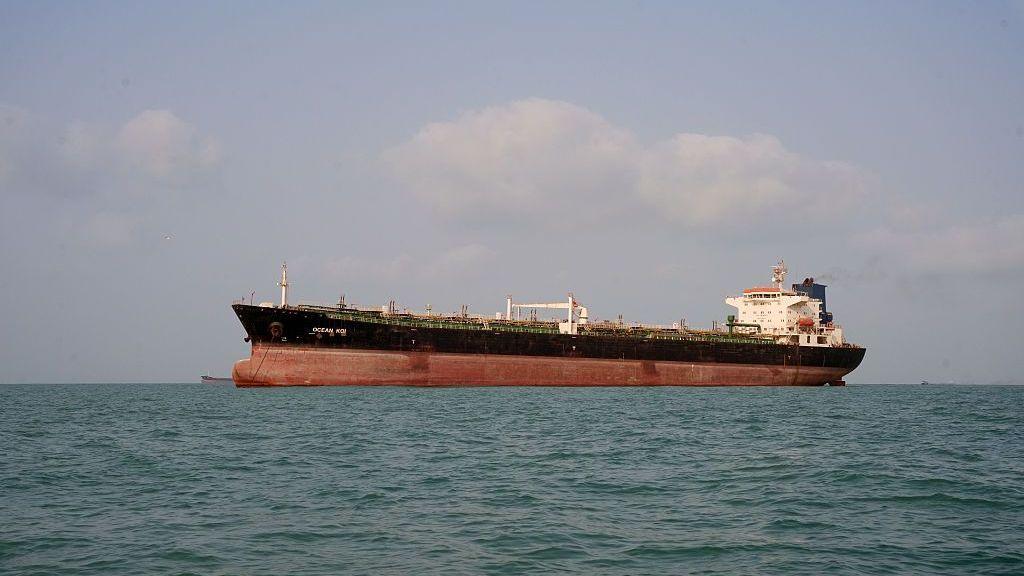
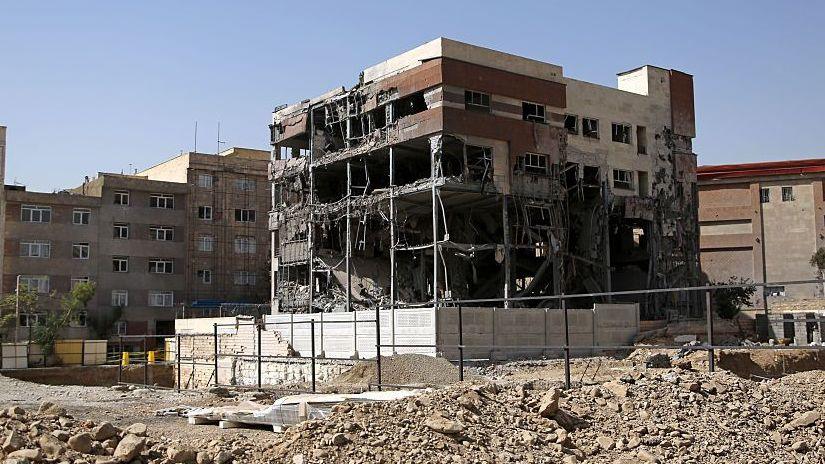
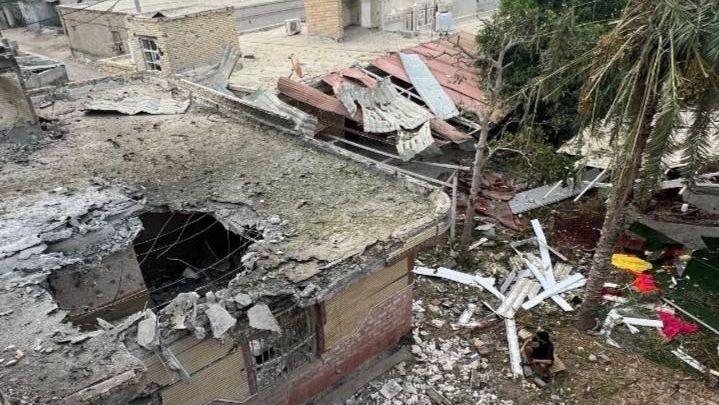
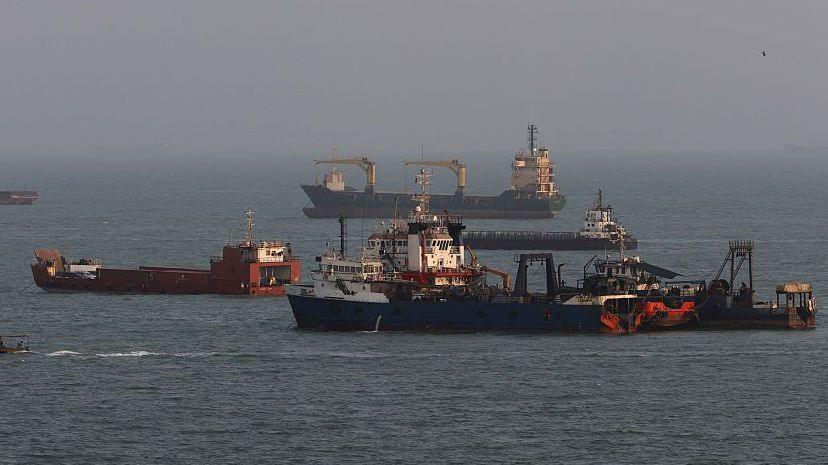
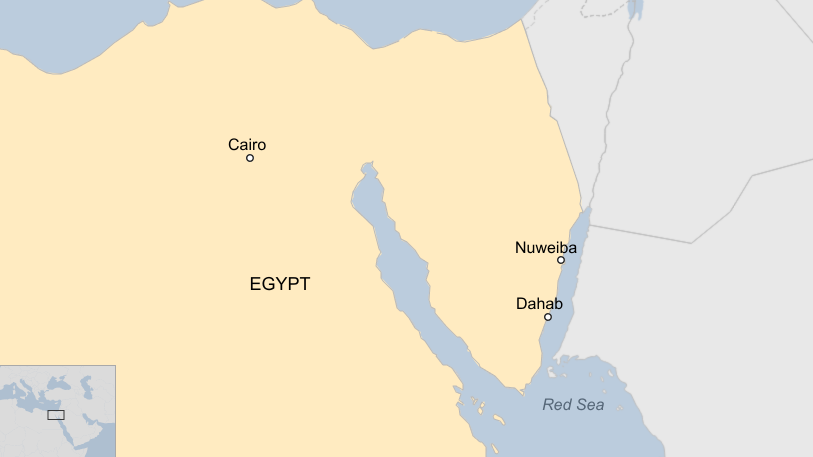
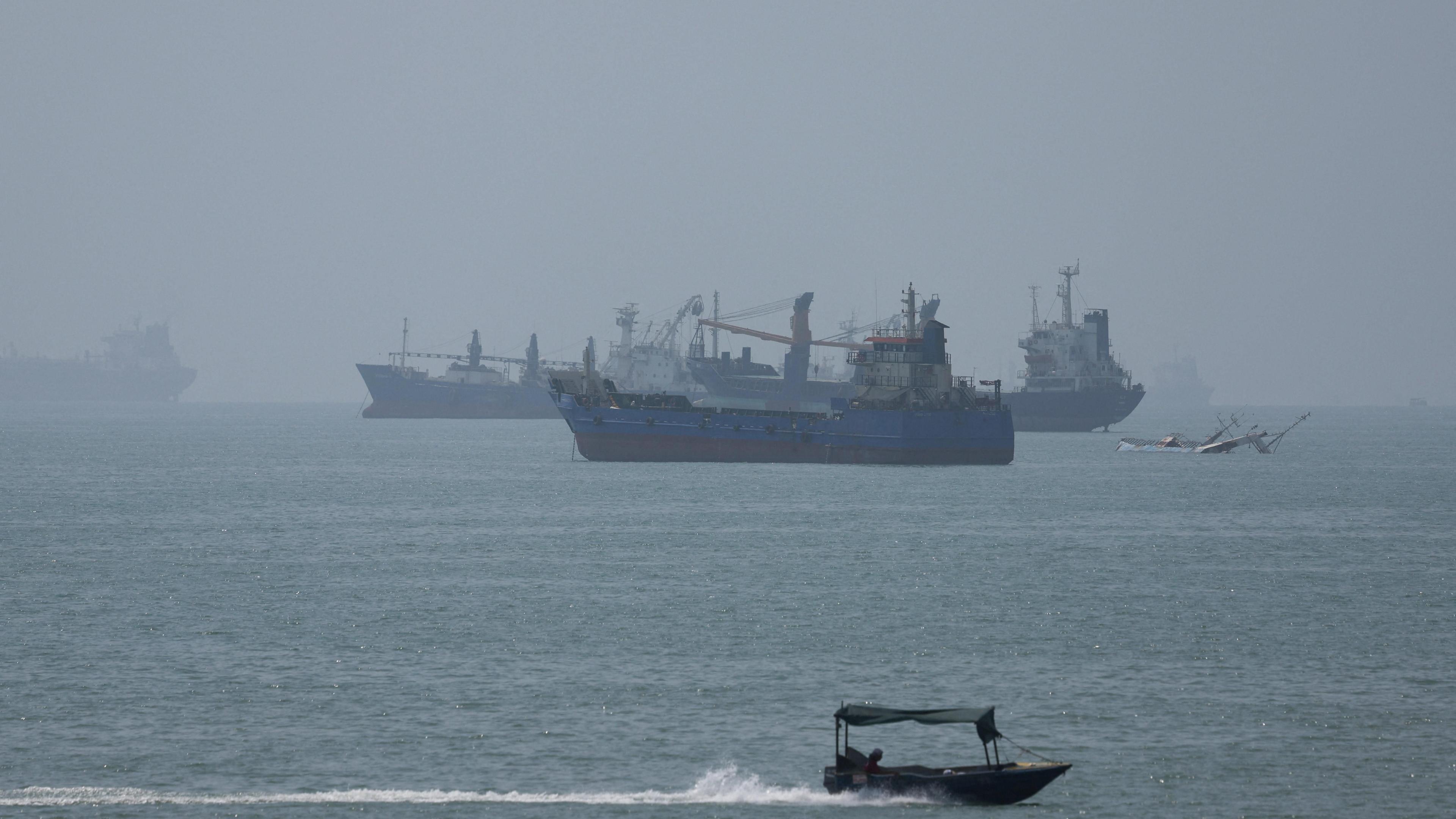
Brent crude rose more than 6% to cross the $100 threshold after the U.S. intensified military strikes on Iranian targets, while Houthi rebels in Yemen attacked oil tankers in the Red Sea, threatening a key export route that Saudi Arabia uses to bypass the Strait of Hormuz.
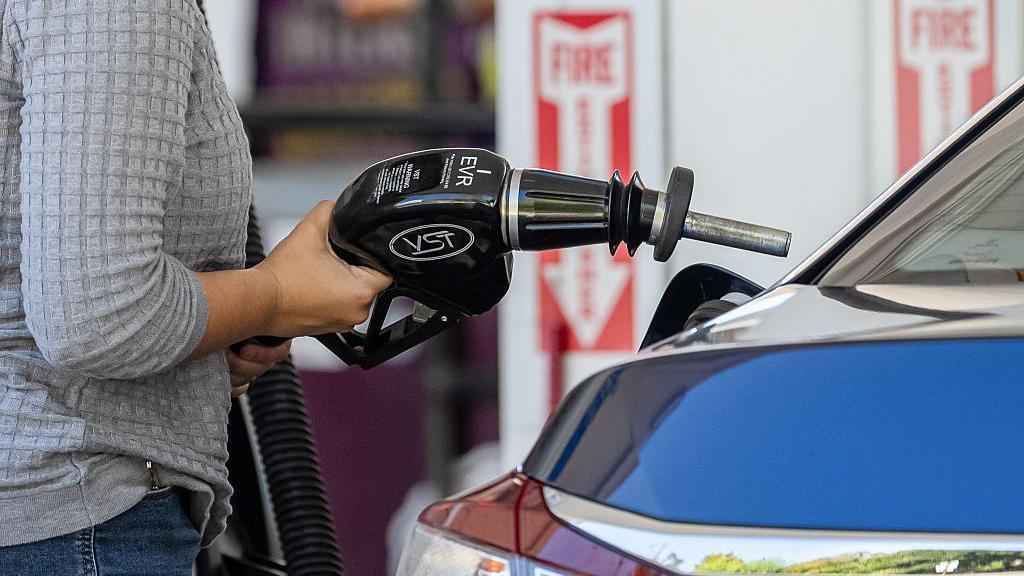
The surge has pushed UK gas prices to around £1.56 a litre for petrol and £1.72 for diesel, up 5p from the start of July. In the United States, average gasoline has jumped to over $4 a gallon, according to AAA, after briefly falling to $3.92 last month.
In the UK, inflation slipped to 2.6% in the year to June partly thanks to slowing fuel costs, and in the US it is 3.5%. Yet analysts warn that the current spike could erode the gains and keep price growth embedded in the economy.
Higher energy costs ripple through transportation, logistics and food production, pressuring household budgets and potentially prompting central banks to maintain higher interest rates for longer, as the Bank of England holds rates at 3.75% and the US Fed keeps them at 3.5‑3.75%.
John Raymond, investment manager at Quilter Cheviot, notes that sustained energy price increases could force policymakers to keep borrowing costs elevated, a burden for mortgage holders and businesses already feeling pressure.