Odesa Port Workers Face Dangerous Black Sea Skirmishes

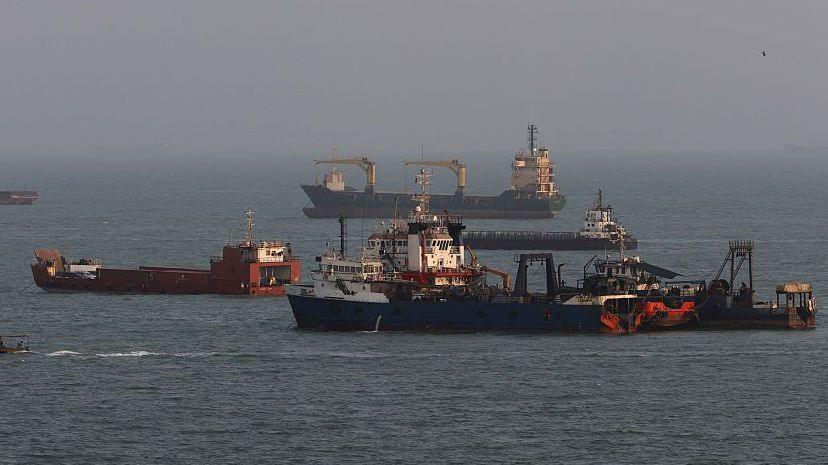
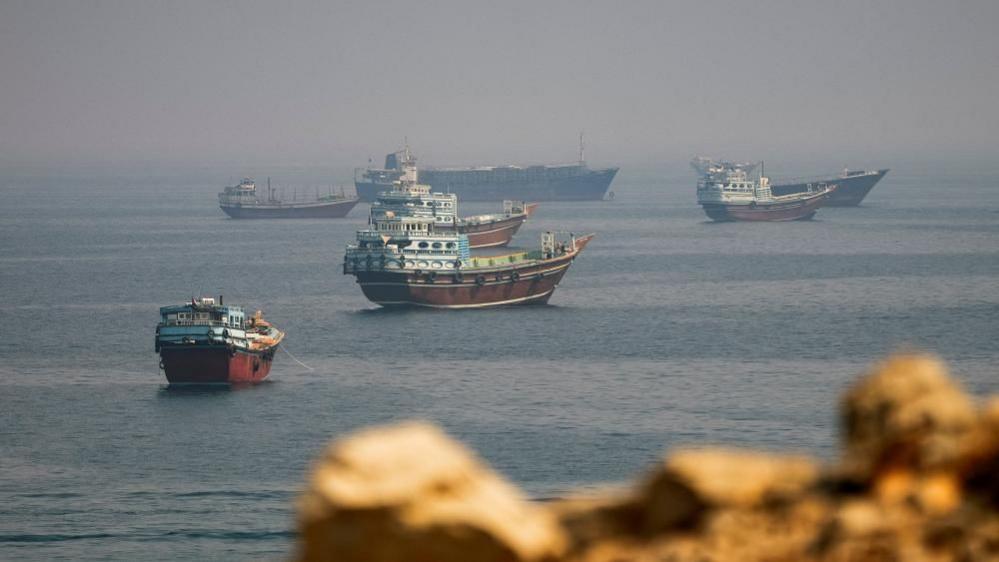
The port of Odesa, once the heartbeat of Ukrainian shipping, sits empty. 57 Russian strikes on civilian vessels and 67 on port infrastructure in July alone have left cranes idle and shipping lanes barren.
Svitlana Halchenko, a warehouse shift manager, survived a missile blast that ruptured the ceiling of her building and left shrapnel lodged in her leg. "My crane operator, my partner, died five metres from me … The driver remained in the cabin. He also died," she says, her voice steady but the tremor unmissable.
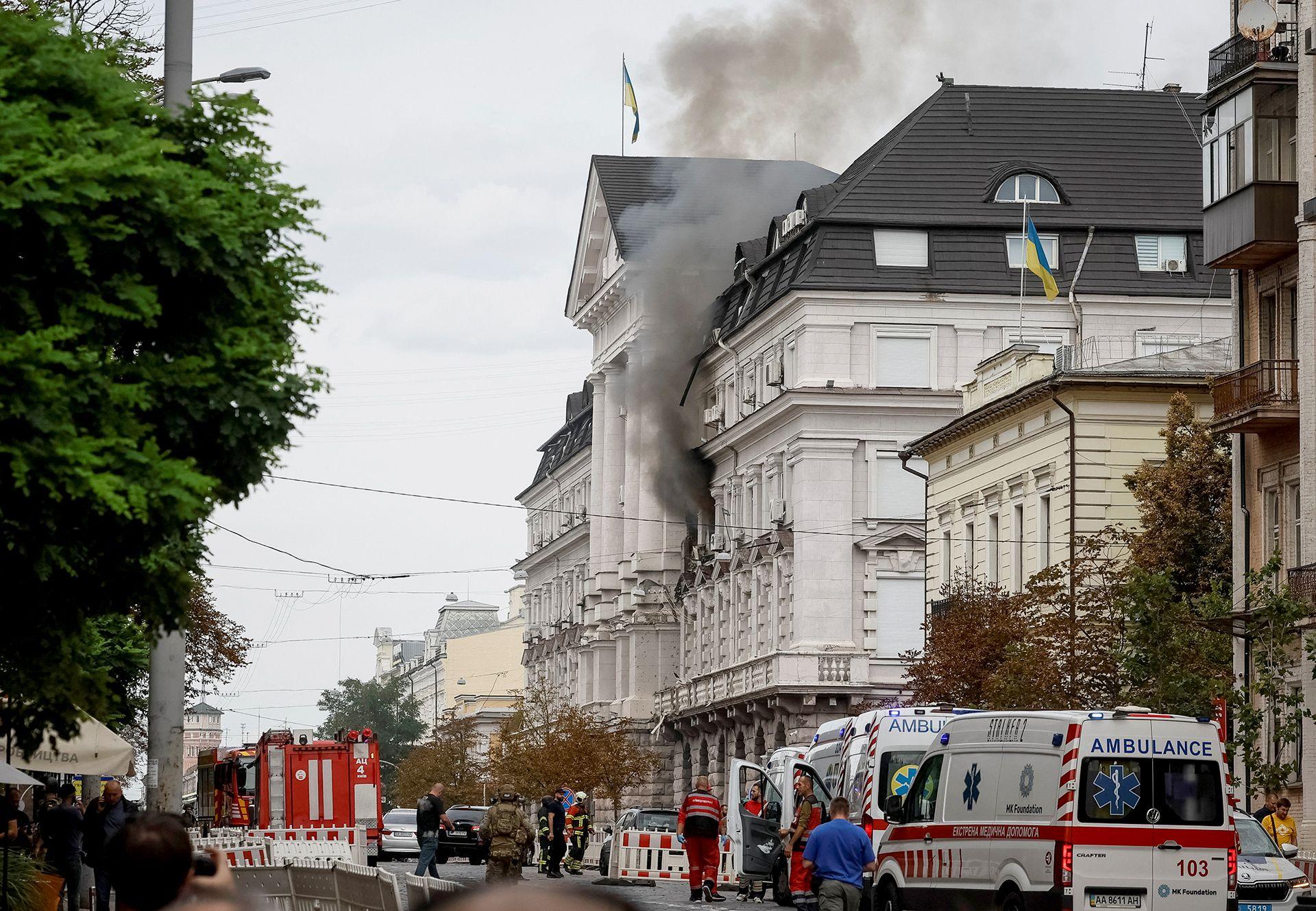
Inside the docks, only a handful of cargo ships remain moored. Two freighters lie battered, blackened bridges a testament to recent attacks. A lone vessel, the Golden Leo, was hit by three Russian missiles on July 19, killing nine crew members and eventually sinking a week later after dropping a cargo of Ukrainian corn.
Ukraine’s Marine Transport Workers Union chair Oleg Grygoriuk warns that port workers now claim the terror of a dock more intense than front‑line combat. The proximity to Russian‑occupied territory means a missile can reach Odesa within a minute; a crane operator must scramble in two and a half minutes.
With the grain harvest peaking, Port Director Volodymyr Slavinskyi fears the loss of excess export capacity. Shipping through the Black Sea, which formerly moved 73 million tonnes of Ukraine’s grain in 2025, has slumped to roughly a third of that, leaving 700,000 tonnes of grain and oilseeds unshipped.
Beyond the docks, Odesa is a beachside tourist town. But sirens punctuate holiday swims; in June, a shrapnel from a drone killed 26‑year‑old Daria Kravchenko on the beach. A week later a Ukrainian drone, intercepted and exploded, damaged a busy shoreline with seven casualties, three children included.
The cost of port closures extends beyond immediate casualties. Merkel, a cargo manager, recounts that the port now operates only 9 out of 24 hours daily. The legal ban on filming operations means little is knew about the exact damage inflicted, leaving attackers free to strike repeats.
Ukraine’s push to keep the Black Sea as a gateway for grain exports is stymied by this violent escalation. As the winter approaches and the world hunger for grain rises, the quiet docks of Odesa signal a looming crisis in global food supply and shipping security.