In brief
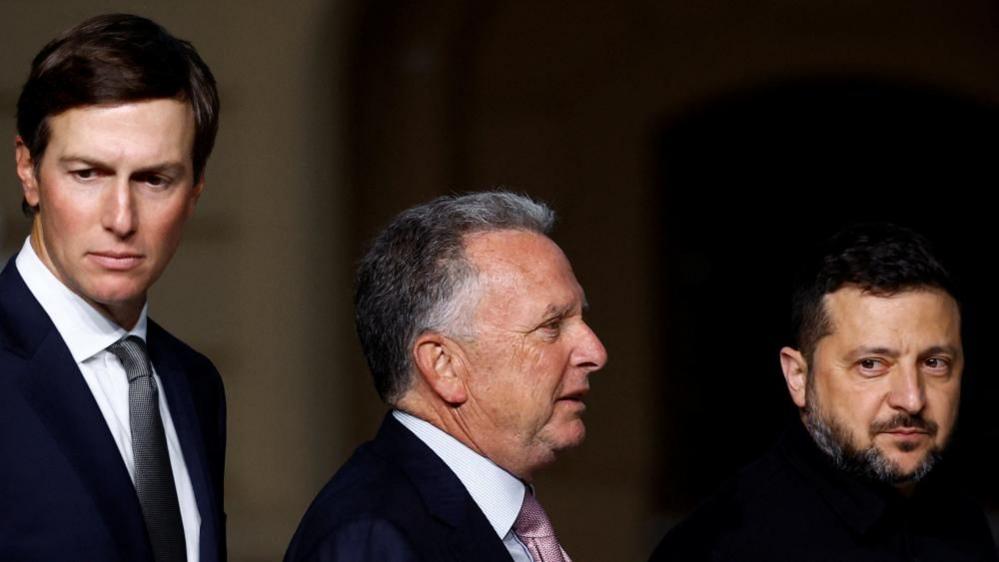
In Kyiv, US senior diplomats met President Volodymyr Zelensky, underscoring symbolic moments such as the first U.S. presence on Ukrainian soil since the invasion and a meeting at the historic Saint Sophia Cathedral. While the dialogue was framed with warm remarks of progress, stark differences over military reports and territorial demands left the parties at odds. The U.S. envoys claim Russia made tangible advances, whereas Ukraine reports gaining ground and suffering heavy Russian casualties. Both sides insist on security guarantees that would prevent a return to war, but consensus remains elusive, hinting that fighting could persist into the winter.
Peace talks in Kyiv were steeped in symbolism. First, the presence of U.S. envoys on Ukrainian soil since the invasion marked a historic moment. The leaders and diplomats exchanged greetings inside the ancient Saint Sophia Cathedral – a stone‑aged landmark that also lies just a few yards from where Russian drones recently struck Kyiv’s security headquarters.
The visits were conducted by train rather than by air, a feature residents and analysts linked directly to the risk posed by Russian drones launched from the directions of Moscow’s leadership.
After several hours of dialogue, negotiators from Kyiv, the United States, and European advisers – including the UK’s National Security Adviser Jonathan Powell – discussed a potential revival of trilateral talks that had been dormant for several years.
Yet, fundamental differences loom. US envoys, returning from Moscow, were told by President Vladimir Putin that Russia had “tangible advances” on the battlefield. Ukrainian officials countered, reporting that in August they had gained more territory than they lost and that Russia suffered 42,000 casualties, dead or wounded.
Shifting sides, the parties remain far apart on core demands. Putin insists Ukraine cedes territory, abandons NATO ambitions, and reduces its army size. Zelensky, on the other hand, demanded strong, clear security guarantees and a robust defense force, refusing to yield any eastern Donbas territory, labeling the issue “difficult”.
While Witkoff expressed encouragement that an agreement was within reach, he admitted that both sides would have to make compromises that the current positions evidently preclude. The general outlook points to continued fighting and a harsh winter ahead, although some diplomats hope a settlement window might open next spring.
Zelensky thanked the U.S. envoys for the brief pause in air strikes, which afforded Kyiv a fleeting respite. In all likelihood, the truce will remain temporary.
Watch: President Zelensky welcomes U.S. envoys in Kyiv – Full coverage.