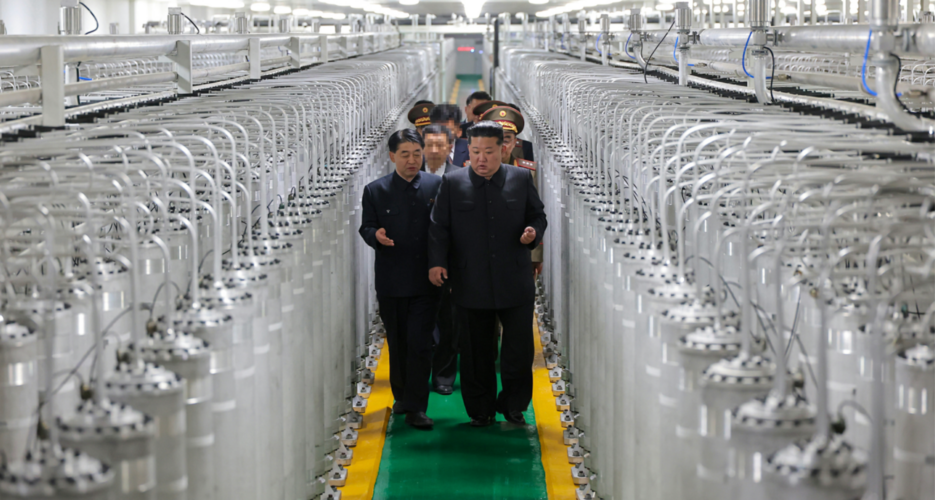
North Korea has built a new two‑storey uranium enrichment facility, the head of the International Atomic Energy Agency (IAEA) said, calling it a cause for “serious concern.”
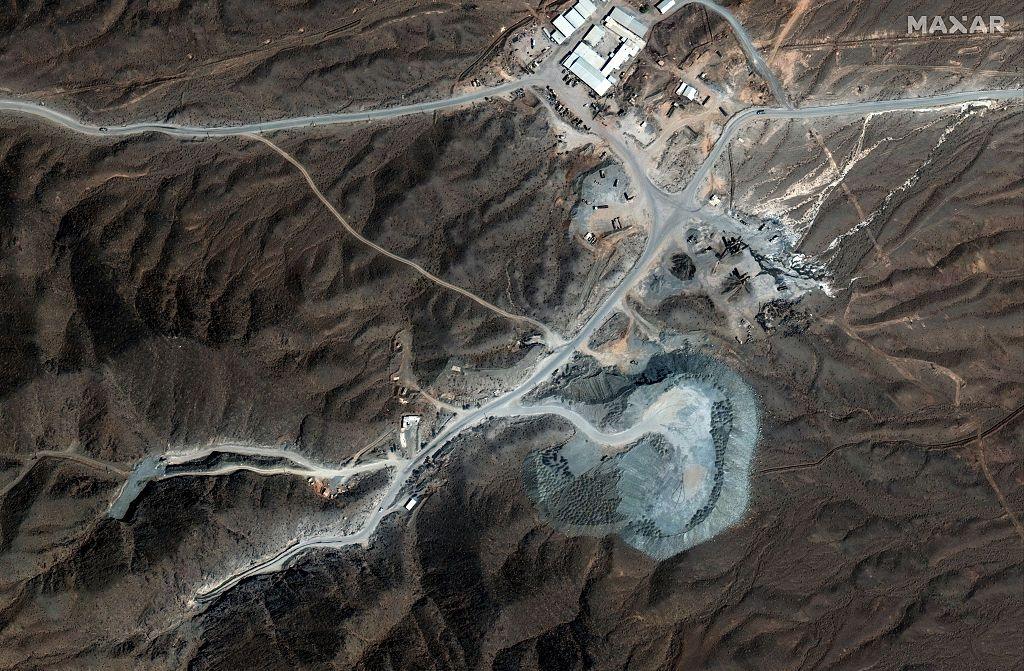
The new structure sits within the primary Yongbyon nuclear complex and is reported to accommodate up to 28 centrifuge cascades—an increase that signals a significant broadening of Pyongyang’s enrichment capacity.
This finding follows a late‑last‑month IAEA report noting the opening of an expanded annex at a separate enrichment site in Kangson near Pyongyang. With the agency unable to conduct on‑ground inspections (its last inspectors were expelled in 2009), it relies on satellite imagery to monitor the DPRK’s nuclear developments.
IAEA Director‑General Rafael Grossi said the continuation and further development “are clear violations of relevant UN Security Council resolutions and are deeply regrettable.” He noted that the agency first confirmed the building’s existence in June, although he had had suspicions earlier that year.
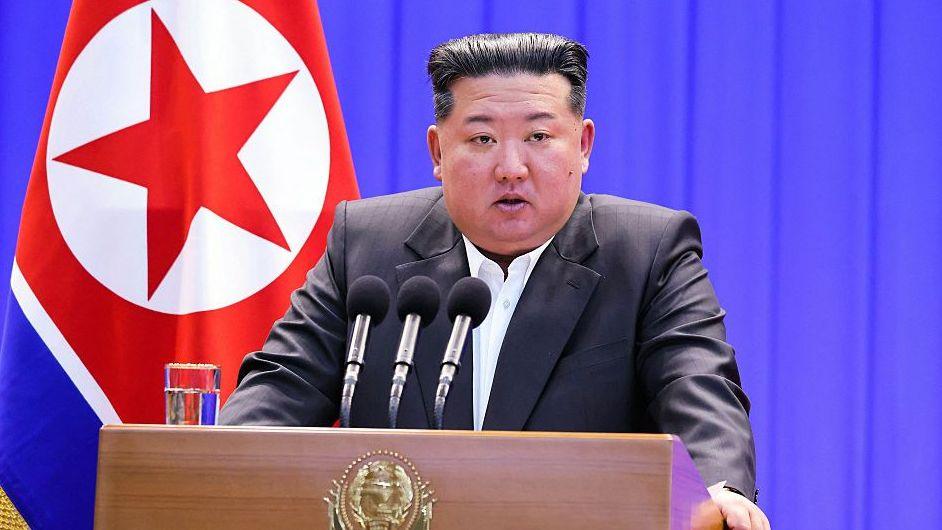
Earlier in June, the IAEA reported that Kim Jong Un visited a “newly inaugurated nuclear materials production factory,” which it identified as the Yongbyon enrichment site. Kim praised the increased production capacity and suggested it would enable “larger plans.”
Around the same time, analysts identified increased activity at the Kangson facility. The IAEA indicated that operations had begun there in January, following the construction of an annex in 2024.
Oxford lecturer Edward Howell highlighted the DPRK’s hidden nuclear program, noting that many facilities remain obscure, complicating any international response. He pointed to additional sites such as Kangson as evidence of the regime’s hidden commitments.
The Up‑to‑date expansion comes amid a broader surge in Pyongyang’s missile tests. The country has fired numerous intercontinental ballistic missiles (ICBMs) since it embarked on long‑range testing in 2017 and has conducted six nuclear weapons tests, the last in September 2017.
South Korean President Lee Jae Myung has recently proposed a dialogue to formally end the two‑country war, offering it as a platform to discuss halting North Korea’s nuclear advancement. Pyongyang has yet to reply.
While the regime declared itself a nuclear power in 2022 and assured it would never relinquish its arsenal—estimated at dozens of warheads—international scrutiny remains high as the DPRK’s nuclear doctrine continues to entrench itself in domestic and foreign policy.