Russia Launches Daily Jet‑Powered Drones: Ukraine Struggles to Defend
Russia has increased the use of its upgraded jet‑powered Geran drones every day throughout August, according to BBC Verify analysis of Air Force data. Daily attacks marked the first time the new Geran models have been recorded in Ukrainian logs, and their faster flight speeds – over 300 mph – make them far more difficult for Kyiv’s air defences to intercept.
The Ukrainian military reported a sharp rise in jet‑powered drone strikes: from 350 incidents in June to 1,600 in July and 2,800 in August. Five nights in August alone saw the faster drones outnumber older, slower drones. “The reason for turning to jet‑powered drones is that they are much faster… it makes it much more difficult to intercept them,” said Dr. Marina Miron, an expert on military technology at King’s College London.
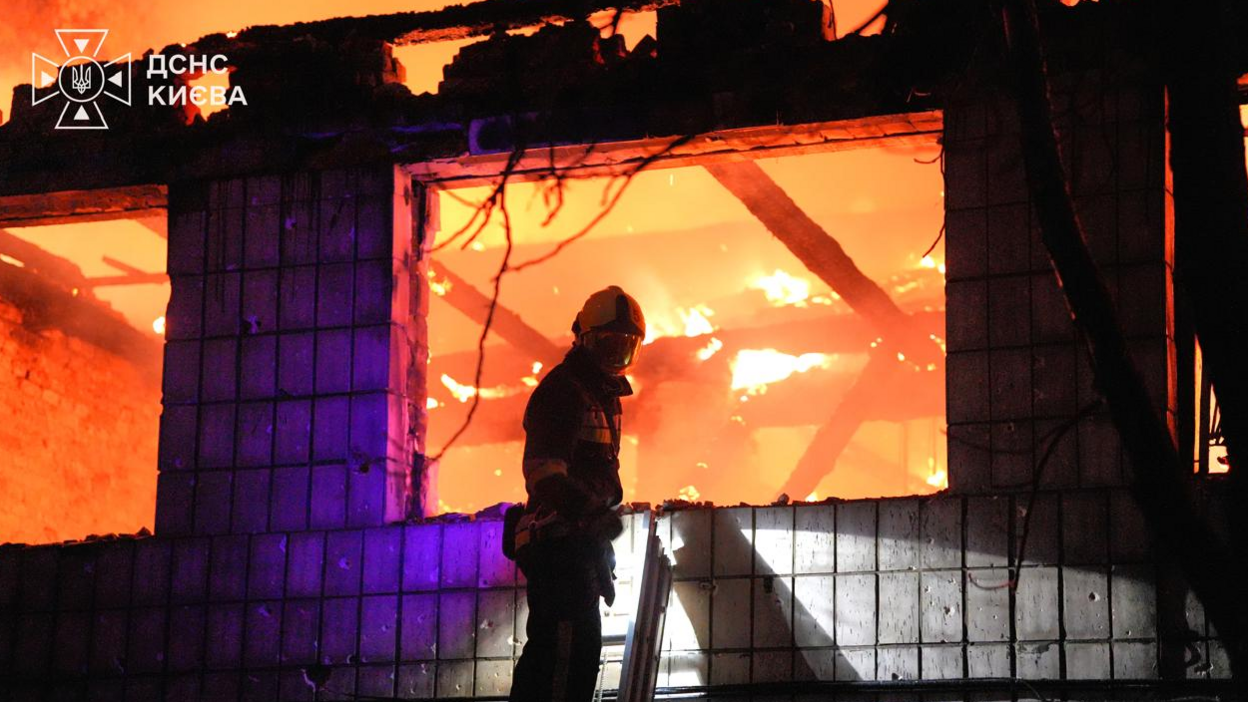
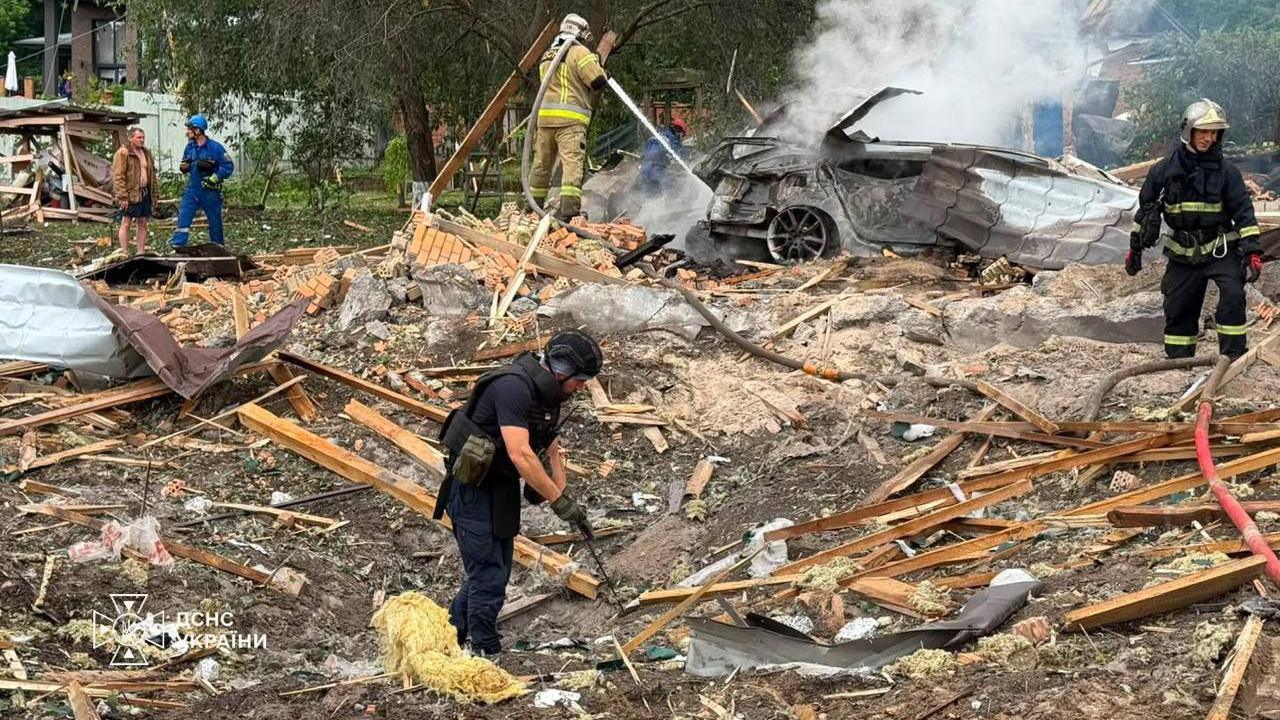
The munitions, powered by turbojet engines sometimes sourced from China, have top speeds well beyond Kyiv’s existing interceptors. President Volodymyr Zelensky described the wave of attacks as a “horror” over the skies of the capital, with a September 1 attack killing 12 people and injuring 20, including six railway workers when a depot was hit.
Ukraine’s defence minister Yevhenii Khmara has tasked local firms to produce thousands of missiles specifically designed to match jet‑powered drone speeds. The push comes after Ukraine’s Deputy Head of Military Intelligence, Maj Gen Vadym Skibitskyi, stated the need for new interceptor missiles in August.
Analyst John Hardie of the Foundation for Defence of Democracies notes that these drones blur the line between inexpensive attacks and low‑cost cruise missiles. “Long‑range one‑way attack drones are basically a poor man’s cruise missile,” he said. Conflict Armament Research counters that jet drones have shorter ranges, smaller warheads and are more vulnerable to jamming than true cruise missiles.
Satellite imagery suggests Russia has re‑engineered facilities to launch these fast drones, with new, longer rails visible at a base in Tsymbulova, Oryol region—about 175 km from Ukraine’s border. The base has become a key launch site since it became operational, marking a shift in Russian deployment strategy.
As drone‑missile attacks grow bigger, Russia now strikes Ukraine with hundreds of drones and missiles roughly once a week. Over 15 times more drones per strike than four years ago highlights the rapid escalation. Analysts point to a global shortage of advanced air‑defence systems and the Russo‑Iranian war as factors lowering Ukraine’s interception rates.
Viewers can see daily drone engine debris in Kyiv streets and follow the evolving situation through RealTime Wire’s live‑streaming coverage and interactive timeline. Community chat lets journalists and citizens share live updates and eyewitness accounts.
Image source: Getty Images