Ted Bundy’s infamous spree of violence lasted over four years, leading to at least 30 confirmed murders of young women and girls, many of whom were left with irreversible trauma.
Despite Bundy's execution nearly four decades ago, advancements in DNA testing continue to unveil new victims. Recently, a Utah sheriff's department confirmed that Bundy was likely responsible for the 1974 unsolved murder of Laura Ann Aime. Authorities anticipate further developments in cold cases linked to Bundy as they refine his full DNA profile.
As one of America's most notorious serial killers, Bundy's victim count, while high, pales in comparison to others like Gary Ridgway, who has admitted to 49 murders; Samuel Little with over 60; and Donald Harvey with 37 confessions.
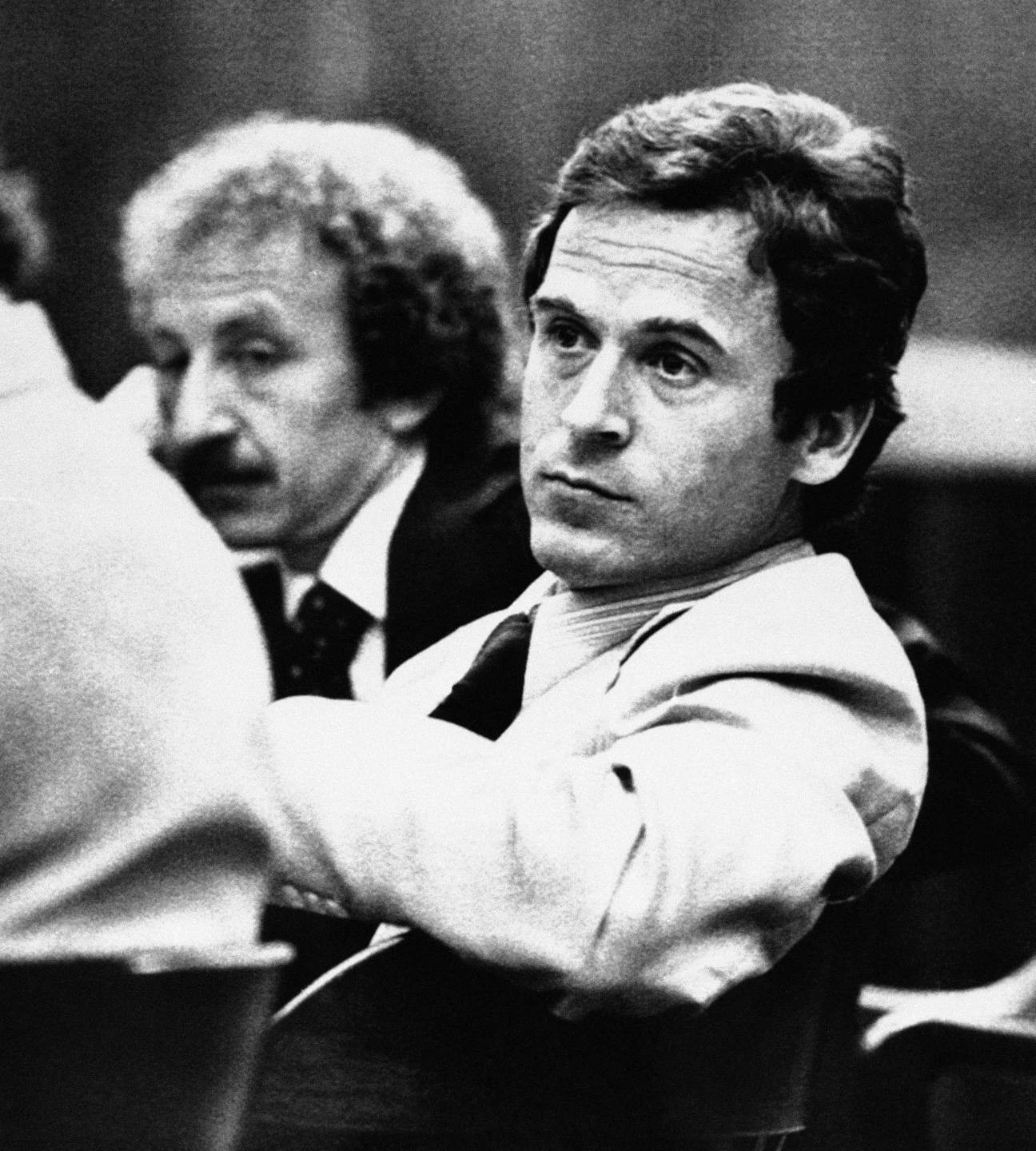
Bundy's charm and good looks captivated the public during his trial in 1979, adding an eerie fascination to his heinous actions.
Victims and Methods
Bundy's killing spree began in Washington State in the early 1970s. His modus operandi involved breaking into homes of young women, often posing as a police officer, to lure them. His early victims were often college students from the University of Washington, including the tragic case of Lynda Ann Healy, whose remains were discovered a year after her disappearance.
As investigations expanded, Bundy was identified through descriptions provided by survivors like Carol DaRonch, who managed to escape his grip and provided crucial testimony that led to his conviction.
Escapes and Continued Murder
Bundy’s criminal odyssey was marked by two stunning escapes from custody, the first in 1977 and the second in 1978, during which he resumed his killing spree, culminating in horrific attacks on unsuspecting students at a sorority house in Florida.
He was ultimately apprehended again when police confronted him for driving a stolen vehicle and was soon linked to the murder of a 12-year-old girl, believed to be his last victim.
Personality and Final Days
His trial garnered public intrigue, with many observers noting his charisma, leading some to refer to him as a "handsome charmer." However, beneath this façade lay a deeply disturbed individual, and the judge noted the "extremely wicked" nature of his crimes, sentencing him to death.
Bundy faced execution on January 24, 1989, leaving behind a legacy of horror and a trail of sorrow for the families affected. Recent breakthroughs in DNA analysis have kept his name in the headlines, as authorities continually seek to resolve remaining cases.