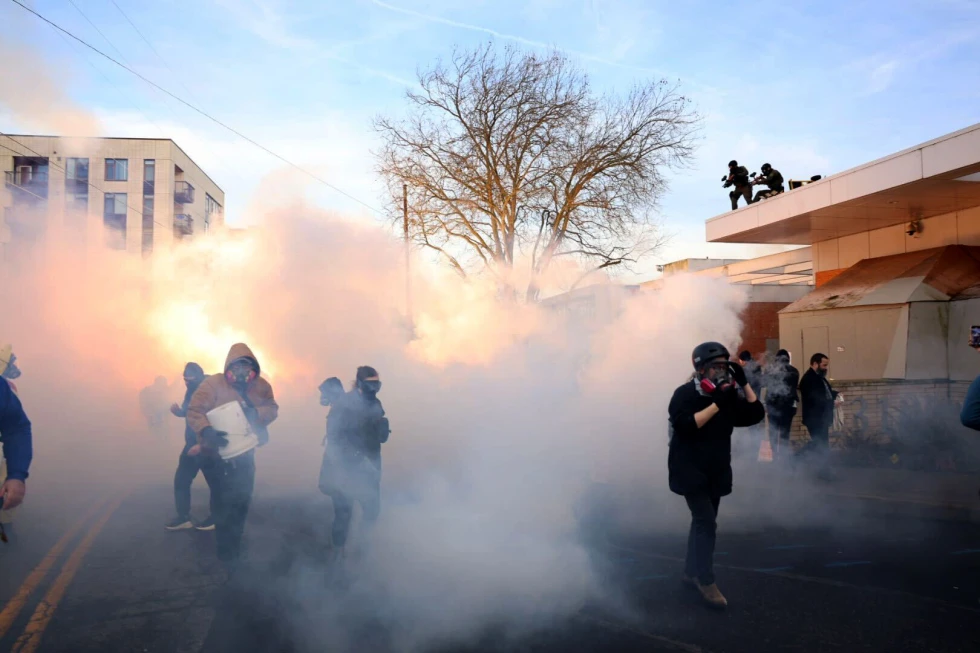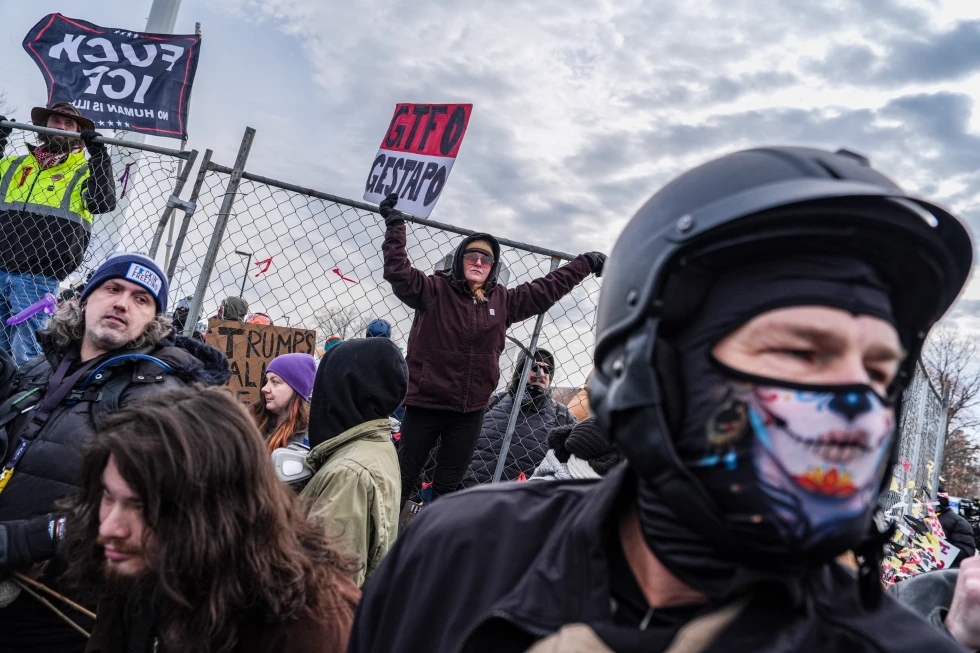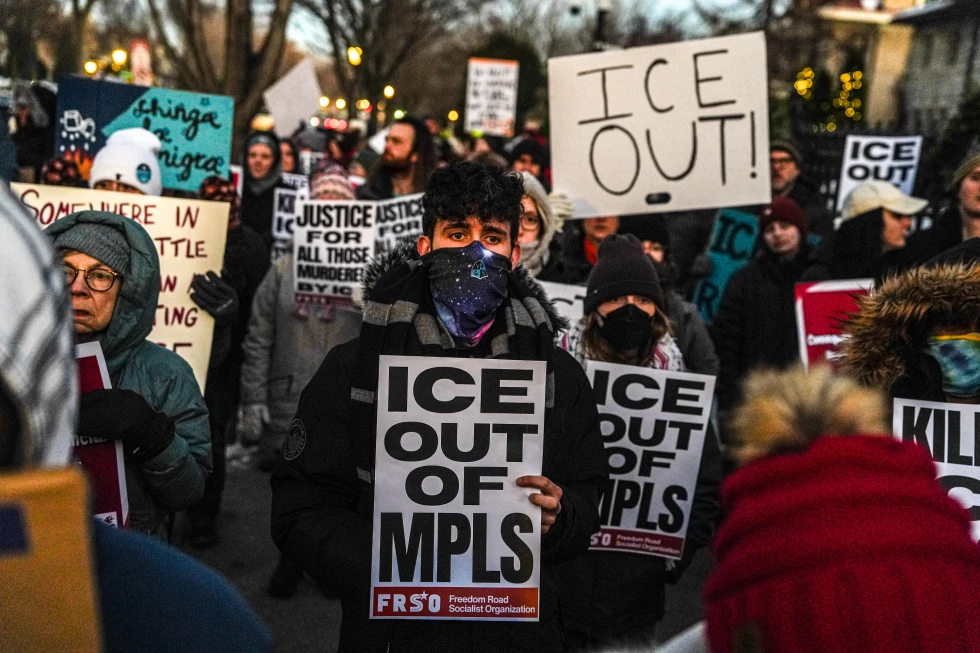
The Trump administration's intensified immigration enforcement has catalyzed numerous high-profile arrests, often occurring at homes and businesses, raising vital legal questions regarding the authority of federal agents to enter private property. The urgency surrounding this issue is particularly pronounced in cities like Minneapolis, where federal agents have been involved in confrontations amid ongoing protests.
Many immigration arrests rely on administrative warrants issued by immigration authorities rather than judicial ones signed by a judge. This distinction is crucial, as administrative warrants do not grant agents the authority to forcibly enter private property without the owner's consent, leaving individuals within their rights to refuse entry.
Understanding the Nature of Immigration Warrants
The Fourth Amendment protects against unreasonable searches and seizures, meaning law enforcement must possess a warrant to execute searches or arrests on private property. However, the type of warrant significantly affects the extent of that authority. Judicial warrants allow agents to apprehend individuals on both public and private property, but administrative warrants do not carry the same weight.
Legal experts note that this distinction has created flashpoints during immigration enforcement, where confrontations between agents and the public can escalate when the public is aware of the limitations of administrative warrants.
Escalating Tensions in Enforcement
This legal distinction was highlighted recently when agents reportedly conducted a raid based solely on an administrative warrant in Minneapolis, provoking protests. The Department of Homeland Security justified this action on the grounds of community safety but did not offer a clearer legal basis for the forced entry.
The fallout from these raids has led advocates to caution about the severe repercussions faced by agents conducting unauthorized entries, emphasizing the potential for liability under state law. In a political climate rife with controversy over immigration policies, accountability for such actions remains uncertain while the threat of expedited deportations looms for affected individuals.
Empowerment Through Education
In response to aggressive immigration tactics, grassroots organizations are working tirelessly to educate communities about their legal rights. Many people are now encouraged to demand to see warrants before allowing agents into their homes and to understand that they can refuse entry when presented only with administrative warrants. This empowerment is essential in navigating the complex and often intimidating landscape of immigration enforcement.
Through informational campaigns and community outreach, activists aim to build awareness around constitutional protections, reminding immigrants—regardless of their legal status—of their rights in encounters with federal agents.