As the world inches back to a pre-WW2 order, the 'middle powers' face a grave new challenge
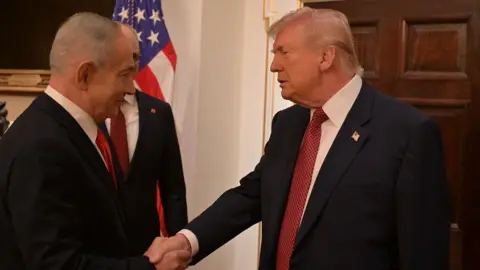
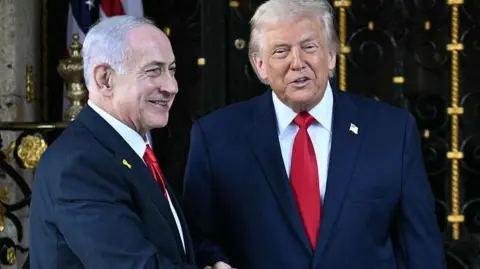
The current geopolitical landscape has raised alarms as middle powers, including nations such as Canada and those in Europe, navigate the complexities brought on by escalating tensions and the unpredictable nature of American foreign policy, especially under President Donald Trump.
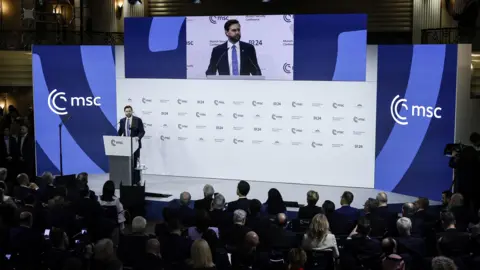
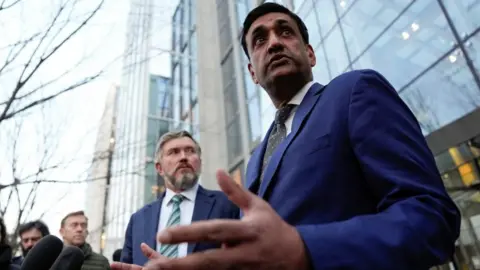
With Trump's America First strategy steering clear of multilateralism, middle powers are reconsidering their strategies and alliances. At a recent conference in Davos, Canadian Prime Minister Mark Carney emphasized the need for these nations to act collectively in this new environment.
The historical context of the post-WW2 international order has been characterized by a certain level of predictability, where diplomacy and established norms guided global interactions. However, the re-emergence of great power rivalries—echoing the dynamics that were dismantled after the last world war—poses an urgent existential threat to this order.
Carney's clarion call sets the stage for middle powers to adapt to a world where the strong impose their will, and where the goal of maintaining a stable and rules-based international order is increasingly at risk.
As we unpack the implications of Trump's assertions regarding allies and military contributions, it's clear that European nations must advance their defense spending and capabilities—an unexpected shift in priorities spurred by the U.S. rhetoric and actions that threaten their interests.
In reflection of unfolding events, the lesson remains clear: international stability relies as much on cooperation as it does on competition. The message in Davos echoed this sentiment, sounding a rallying call for middle powers to unify in the face of rising tensions.