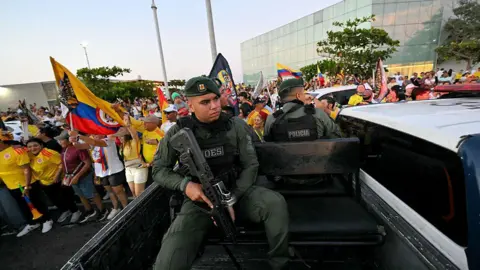
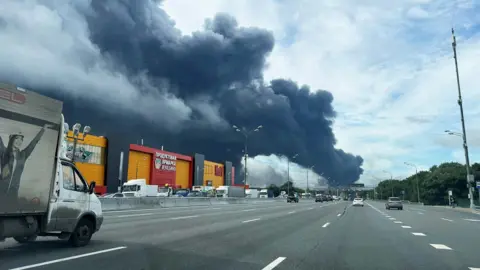
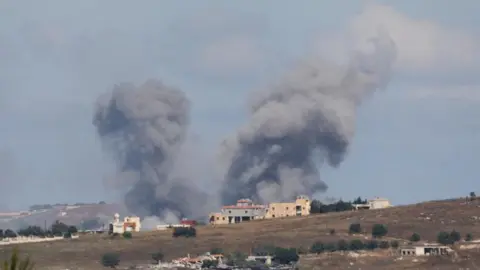
Celebrations erupted across Syria and at the Lebanese border following the shocking collapse of President Bashar al-Assad’s regime on December 8, 2024. This event represented the end of a longstanding dictatorship that had ruled the country for over five decades, and it holds major implications for the geopolitical landscape of the Middle East.
For years, the narrative around Syria was centered on its pivotal role within the so-called "Shia crescent," a geopolitical sphere heavily influenced by Iran. Assad's government was vital for Iran, serving as a conduit for weapons to militant groups like Hezbollah, and providing critical support for Russia's military presence in the region. The rapid downfall of this regime took American intelligence officials by surprise, as just days before, they believed Assad had a reasonable chance of maintaining his grip on power.
As political analysts take stock of this seismic shift, questions arise about the future of Syria. The central inquiry is whether the rebel factions, who have fought tirelessly against Assad's forces, will attempt to drive both Russian and Iranian troops from Syrian territory or opt for a more pragmatic approach, seeking compromises with these influential powers. This decision could have far-reaching effects on regional stability and U.S. foreign policy.
The fallout from this upheaval will also be watched closely in Washington, especially with just six weeks remaining before President-elect Donald J. Trump’s inauguration. The changing dynamics in Syria require a reassessment of strategies regarding Iran's nuclear ambitions and its support for proxy groups across the Middle East. The recent developments signal a new era for the region, one that may bring both risks and opportunities, as various factions navigate the power vacuum left in the wake of Assad's departure.