In brief
In a shock for Washington, Luiz Inácio Lula da Silva won Brazil’s presidential race, blasting U.S. interference and rallying national pride. Trump praised Lula yet called the election "ricado," hinting at lingering mistrust. The win caps Trump’s attempt to build a “Shield of Americas” through allies like Flávio Bolsonaro, altering the treaty of influence. Future U.S.–Brazil diplomacy will hinge on how quickly tensions over tariffs, tech and sovereignty calm.
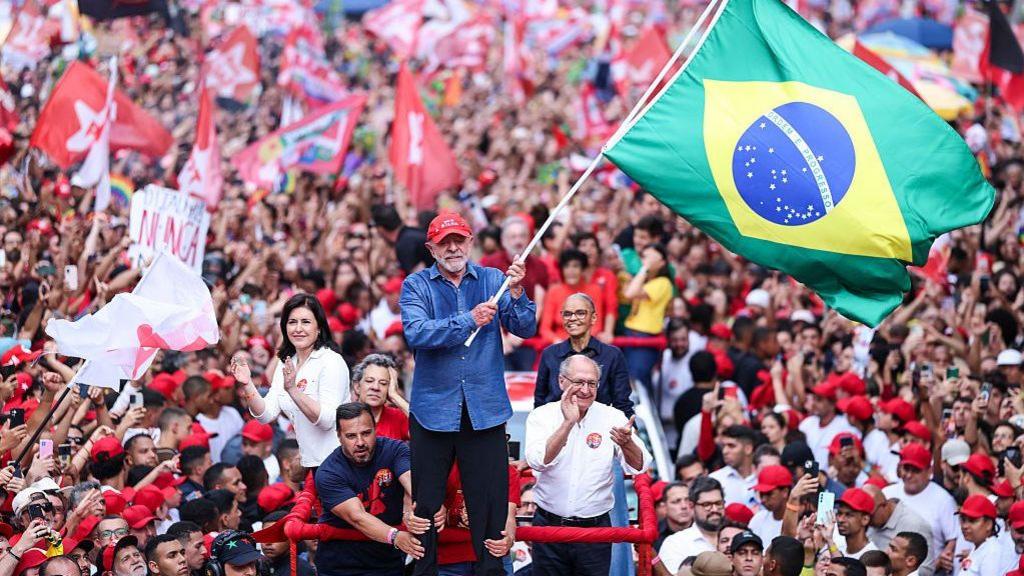
“Brazil will not accept being anyone’s backyard,” Lula declared in his victory speech, a direct rebuke to Washington. His fiery rhetoric against U.S. interference won over patriots who felt their sovereignty was under threat.
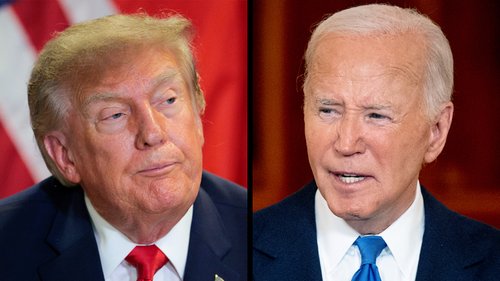
Trump, who had positioned Brazil as a key piece of a broader “Shield of Americas” strategy, took a surprising stance: he admitted he “likes Lula” but labelled the election “terrible” and “rigged.” The comments underline the complex, uneasy relationship between the two leaders.
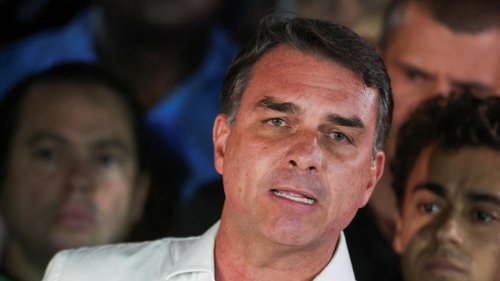
Lula’s campaign capitalised on U.S. tariffs imposed after Jair Bolsonaro’s controversial trial, mocking the Bolsonaro family for being unpatriotic. The campaign’s blue cap slogan and videos of supporters flanked by the Brazilian flag rekindled public anger against perceived foreign meddling.
The U.S. eventually eased tariffs, yet the friction persists. Brazilian officials accuse Washington of undermining the electoral system and delaying diplomatic visits, while Trump’s administration criticises Brazil’s instant‑payment system Pix for hurting U.S. card‑dominated markets.
Despite the rivalry, the U.S. remains Brazil’s second‑largest trade partner. Whether the two sides will find enduring cooperation depends on how both governments respond to the continuing pressure surrounding politics, technology and commerce in the region.