In brief
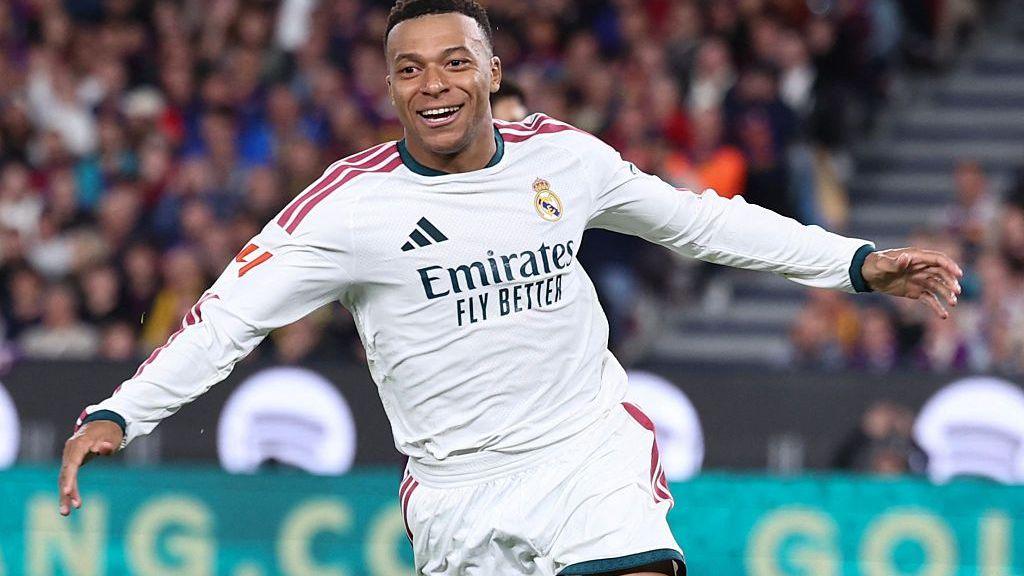
French football star Kylian Mbappé has publicly apologized after a meme comparing him to Chinese leader Mao Zedong sparked outrage on Chinese social media. The joke, made on the TV programme *The Bridge*, led several Chinese brands—such as Mengniu dairy and Dongpeng beverages—to end their endorsements. La Liga and the China Foreign Ministry issued statements condemning the remark, and CCTV said it would no longer broadcast La Liga matches or the player. The incident highlights how cultural sensitivities can severely impact an athlete’s commercial prospects in China, where mocking Mao is seen as a deep insult to the Party and national history. The fallout leaves Mbappé’s future marketing potential in the world's most lucrative football‑watching market uncertain.
French striker Kylian Mbappé has issued a public apology after a viral meme comparing him to Chinese dictator Mao Zedong caused a backlash on Chinese social media. The comment, made during an interview with the TV programme The Bridge, involved a laugh track over a clip that showed Mbappé’s face superimposed on a Mao poster.
Chinese fans and several brands—including Mengniu dairy and Dongpeng beverages—immediately severed ties with the player. La Liga also released a statement expressing regret over the offense caused. China’s foreign ministry and the state broadcaster CCTV said the comments were unacceptable and would be met with opposition from all sectors.
The incident demonstrates how cultural sensitivities can have commercial repercussions. Mbappé, who has millions of endorsements in China, has said the joking nickname “dictator” reveals “a lack of political and human awareness”. Yet, for many Chinese viewers, mocking Mao is a direct affront to the Party and national history. Because of this, the player’s future marketing prospects in China are uncertain.
Internet reaction on Weibo was swift, with the hashtag #multiplebrandsterminatepartnershipswithMbappé topping trending topics, and comments ranging from “Don’t ever come to China” to calls for a global boycott.
Other football stars have faced similar scrutiny, showing that global athletes must tread carefully when engaging Chinese audiences. The fallout leaves Mbappé’s future income from sponsorships in the world’s most lucrative football‑watching market in jeopardy.