In brief
For the first time, Chinese households are supporting a larger share of elderly residents than children, reflecting an unprecedented demographic shift. Statistics show 23 % of the working-age population now depends on seniors, surpassing the 22 % that depend on children. The aging trend, driven by the one-child policy, urbanisation and longer life expectancy, raises concerns about pension and health‑care sustainability. Economists warn that while the silver economy offers new opportunities, the strain on public spending could curb growth and erode household welfare.
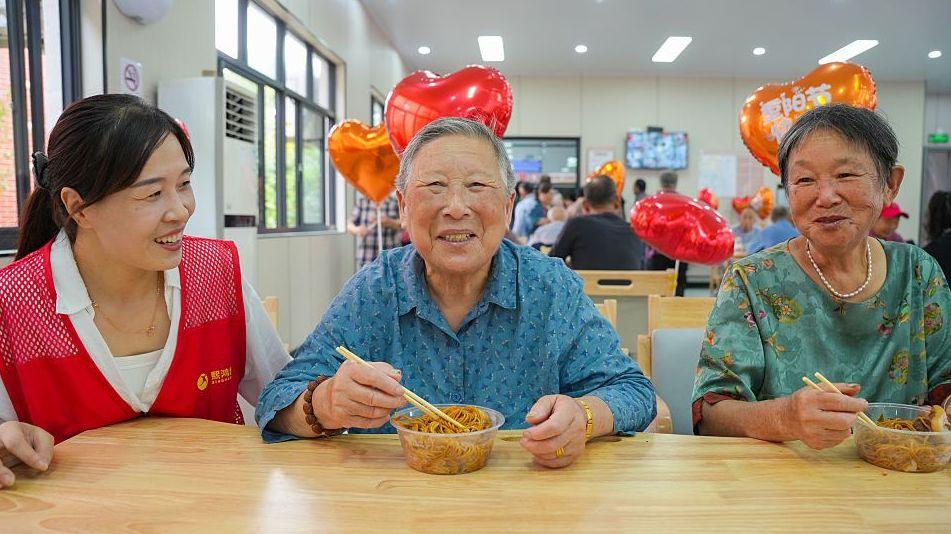
For the first time in China’s history, families are supporting a larger share of elderly residents than children, a change that signals a macro‑demographic shift with profound implications for the country’s economy and social fabric.
The latest data from the National Bureau of Statistics shows 223 million people aged 65 and over – 16 % of the population – and only 213 million children under 15, giving a dependent‑elderly ratio of 23 % against 22 % for children.
Several forces have driven this transformation, most notably the legacy of the one‑child policy, rapid urbanisation and a rise in life expectancy that together have compressed the working age cohort and left fewer young people to support their elders.
Answering the pressure, Beijing’s five‑year plan now earmarks additional funds for pensions, subsidies and health care for seniors; by the end of 2025, more than 53 million elderly were receiving allowances, a number that is climbing.
While the aging trend creates new markets in the “silver economy,” experts warn that relying too heavily on the dependency ratio may under‑represent older people’s autonomy and could shift welfare toward a heavier burden on public finances and slower economic dynamism.