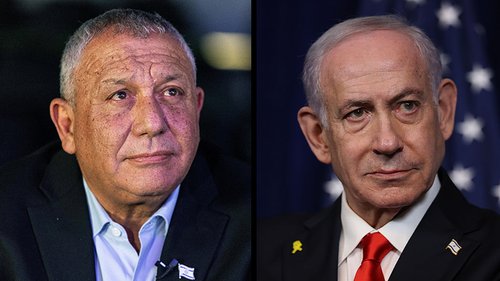
In brief
The Israeli election reached a critical juncture as polls closed and exit data cast a clear picture of a fragmented parliament. Gadi Eisenkot’s coalition emerged with the largest share of seats yet still falls short of an outright majority, while Benjamin Netanyahu’s Likud remains the biggest single party on the map. The balance of power now hinges on intricate coalition negotiations that could reshape the country’s direction. Analysts warn that the long‑term stability of the government will depend on delicate compromises among diverse factions. As numbers stabilize, the spotlight turns to potential alliances and the strategic calculus of leaders across the spectrum.
Polls have closed in Israel’s latest parliamentary election, and the first round of exit voting has just been released. The data suggest an evenly split country: Gadi Eisenkot’s bloc has captured the largest number of seats, yet it still trails short of a governing majority. In contrast, Prime Minister Benjamin Netanyahu’s Likud party is the chief single‑party contender, holding the most seats of any individual group. The absence of a clear winner means coalition negotiations are now the central focus of Israeli politics. Parties face the task of aligning on key policy points ranging from security to economic reform, with each bloc bringing distinctive priorities to the table. While hopes for a quick resolution linger, experience has shown that such negotiations often extend over weeks or even months. Experts note that the outcome could influence regional stability and international alliances. The intricate dance of compromises may bring surprising partners into the fold, or it could delay crucial policy decisions until a fragile agreement is formalized. The political climate remains highly dynamic, with every development shaping Israel’s future trajectory. The RealTime Wire platform provides uninterrupted live updates along with an interactive timeline, allowing viewers to follow every post‑poll shift and coalition move. Stay tuned for real‑time analysis and user‑generated insights as this pivotal chapter unfolds.