In brief
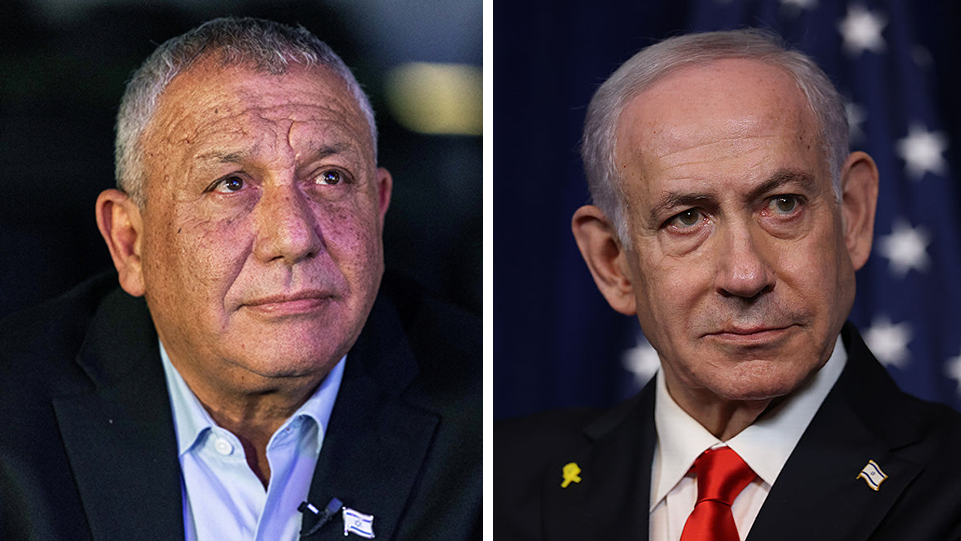
Israel's upcoming election is one of the most consequential in its history, as incumbent Benjamin Netanyahu jostles with former military chief Gadi Eisenkot in a tight contest for the premiership. The outcome hinges on Israel's proportional system, which prevents a single party from gaining a majority, setting the stage for complex coalition talks. Key issues include the fallout from the 7 October Hamas attacks, judicial reforms, conscription for ultra‑Orthodox Jews, and the role of Arab parties as potential kingmakers. Both leaders promise security, but differ on tactics for Gaza and the balance between hard‑right and centrist alliances. The drumming for a stable government may take months, with new elections looming if no coalition materialises.
Israel Heads to 1‑H, A Pivotal Election on Security and Democracy
By Tom Bennett, Jerusalem
Israelis are heading to the polls for what many view as one of the most pivotal elections in the country's history.
Polling released Friday shows incumbent Benjamin Netanyahu locked in a near neck‑and‑neck race with former military chief Gadi Eisenkot for the prime‑minister's office.
Yet neither bloc can secure the 61 seats needed for a majority, implying weeks or months of intense coalition negotiations—or a new election—all depending on the final vote totals.
Security dominates the campaign. The opposition attacks Netanyahu for the unprecedented failure that enabled the 7 October Hamas assault, which claimed almost 1,200 lives and left 251 hostages in Gaza. They seek an independent inquiry; Netanyahu decries it as a political hit list.
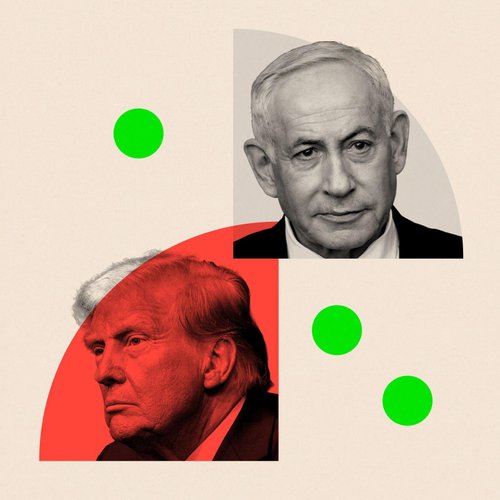
Netanyahu portrays himself as “Mr. Security,” citing former war victories and a close tie with former U.S. President Donald Trump. The opposition, meanwhile, boasts a united “change bloc” that includes former prime minister Naftali Bennett, hard‑right Avigdor Lieberman, and left‑leaning former general Yair Golan.
The change bloc could shift the coalition balance, but Netanyahu’s return depends on an alliance with the far‑right and ultra‑Orthodox parties that have formed Israel’s most right‑wing coalition ever.
Arab parties are also in the mix, representing roughly one‑fifth of Israel’s population. While they could become kingmakers, most leading Jewish parties have vowed not to work with them.
Conscription frustrations add another layer of tension. Netanyahu’s government has not fulfilled a Supreme Court ruling that would draft ultra‑Orthodox students, sparking protests and escalating divisions.
An exit poll posted at 22:00 (20:00 GMT) on Tuesday will provide an early picture, but the final count will be delayed until Wednesday because many soldiers and reservists cast their ballots late.
The election may culminate in a minority government, a political deadlock, or even immediate new elections—Netanyahu remains the interim prime minister in any of those scenarios.
History has shown Israel’s political volatility: five elections between 2019 and 2022 as parties struggled to cooperate. This time, the stakes—security, democracy, and the future of the Jewish state—are higher than ever.