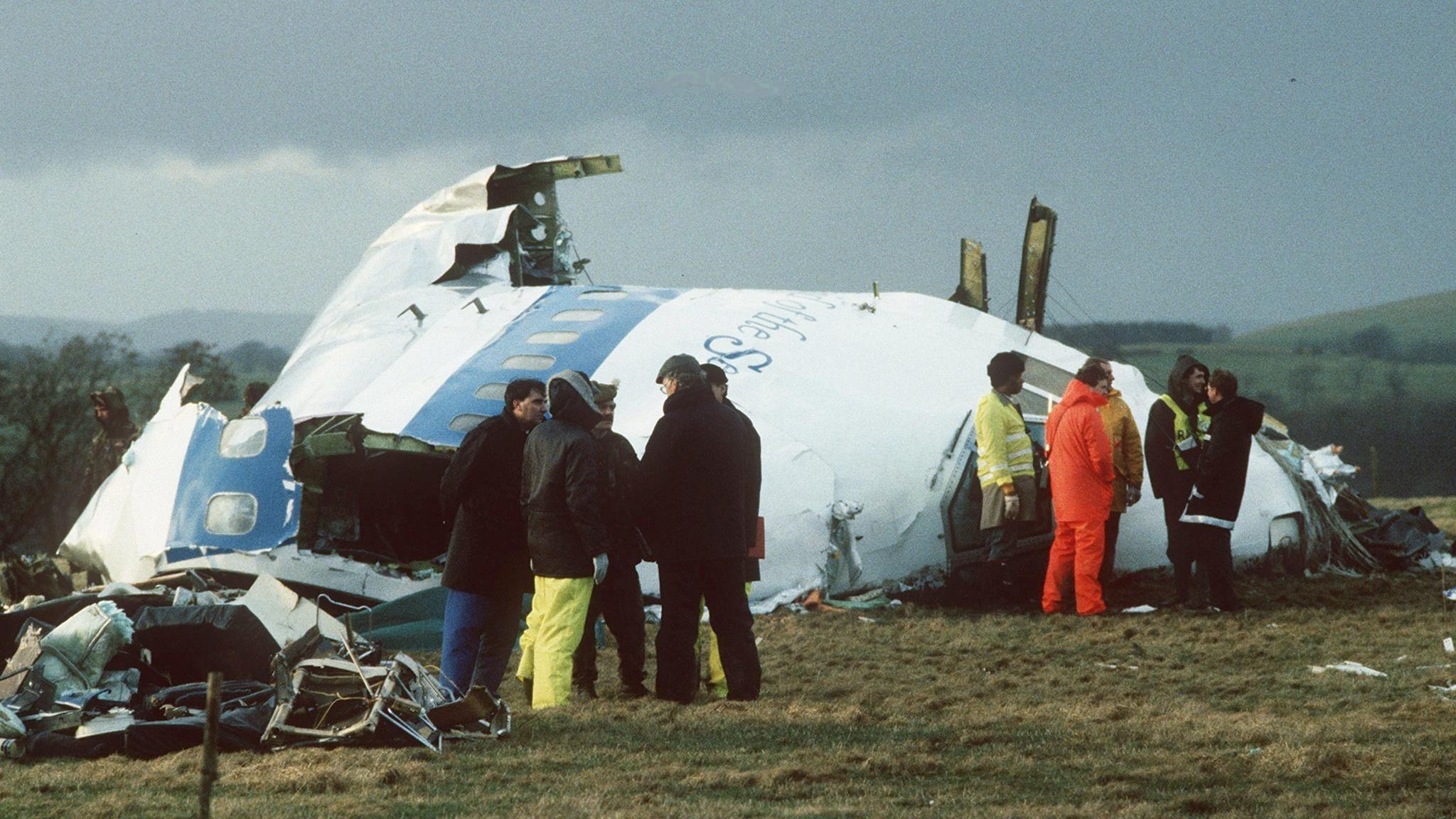
The U.S. trial of Abu Agila Mas’ud Kheir Al‑Marimi, charged with building the bomb that destroyed Pan Am Flight 103 on 21 December 1988, has been delayed to Jan‑2027 after a newly discovered packet of evidence appeared just days before the case was set to begin.
The case, which has drawn pictures of emergency workers beside the wreckage of the Boeing 747, was slated to start jury selection in Washington DC on 19 August, a day after the fresh evidence was announced. Lawyers for Al‑Marimi highlighted that the information was unknown to both the defence and prosecutors, prompting a joint request for a postponement.
“Newly discovered evidence…the defence must now investigate this development,” Al‑Marimi’s lawyers told the court. They also noted that the suspect had agreed to the adjournment after meeting the juror.
Judge Dabney Friedrich accepted the delay, citing the importance of a rigorous examination of the new data. She otherwise warned that it could be a rare 11th‑hour adjournment after months of preparation had gone into the case.
For families of the 270 victims and for Al‑Marimi himself, the latest postponement pushes any verdict perhaps past the spring of 2027, extending an already drawn‑out saga that spanned nearly four decades.
Over the years, the Lockerbie bombing has been a joint Scottish‑U.S. investigation, culminating in the 2001 conviction of Abdulbasset Al‑Megrahi for mass murder. Al‑Marimi, held in U.S. custody since 2022, was originally due for trial in May 2025, a date that had been suspended after calls from both prosecution and defence citing the case’s complexity and his ill‑health.
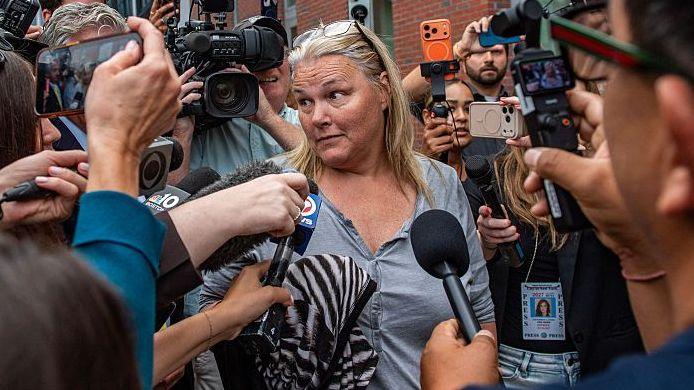
Campaigners like Kara Weipz, president of the Victims of Pan Am Flight 103 group, said the delay is “floored” for her, but hoped the new evidence could bring the families the truth they have sought for decades. Dr Jim Swire also argued that the postponement might allow the court to assemble the evidence carefully, a move she welcomed.
The case follows a 2011 confession given by Al‑Marimi in a Libyan detention facility, handed to Scottish investigators in 2017, which remains a cornerstone of the prosecution’s case. Critics claim the confession was made under duress, but a judge ruled it admissible.
With the trial’s new start date in sight, all eyes remain on Washington DC as the investigation looms larger than ever, drawing still more attention to the deep questions about responsibility, evidence mobilisation and the pursuit of justice for the Lockerbie victims.