MINNEAPOLIS (AP) — Tensions regarding a massive immigration enforcement sweep in Minnesota intensified Wednesday, with legal battles heating up as federal prosecutors targeted key state officials. Following a series of confrontations in Minneapolis and St. Paul, subpoenas were issued to Minnesota Governor Tim Walz's office, Attorney General Keith Ellison, and mayors Jacob Frey and Kaohly Her, among others. This investigation aims to determine if local leaders obstructed federal immigration efforts.
The subpoenas were served just a day before the Justice Department urged a judge to dismiss the state’s lawsuit aimed at halting the immigration operation that has been a source of unrest in the Twin Cities. Officials branded the lawsuit as 'legally frivolous,' countering claims made by Ellison regarding constitutional violations of free speech.
On Thursday, Vice President JD Vance is expected to meet with local leaders to address the ongoing situation, suggesting a heightened interest in resolving the issue.
Concerns voiced over federal actions
According to sources, the federal subpoenas relate to investigations into potential conspiracy statutes, asking for access to all records revealing local officials' refusal to assist immigration enforcement. Mayor Frey condemned the subpoenas as efforts to instill fear in the community, asserting that federal operations should not suppress dissenting local voices.
Governor Walz accused the Trump administration of exploiting the situation for political distractions rather than seeking justice. Amid these legal challenges, questions surrounding the validity of federal arrest statistics and the ethical handling of arrests continue to emerge.
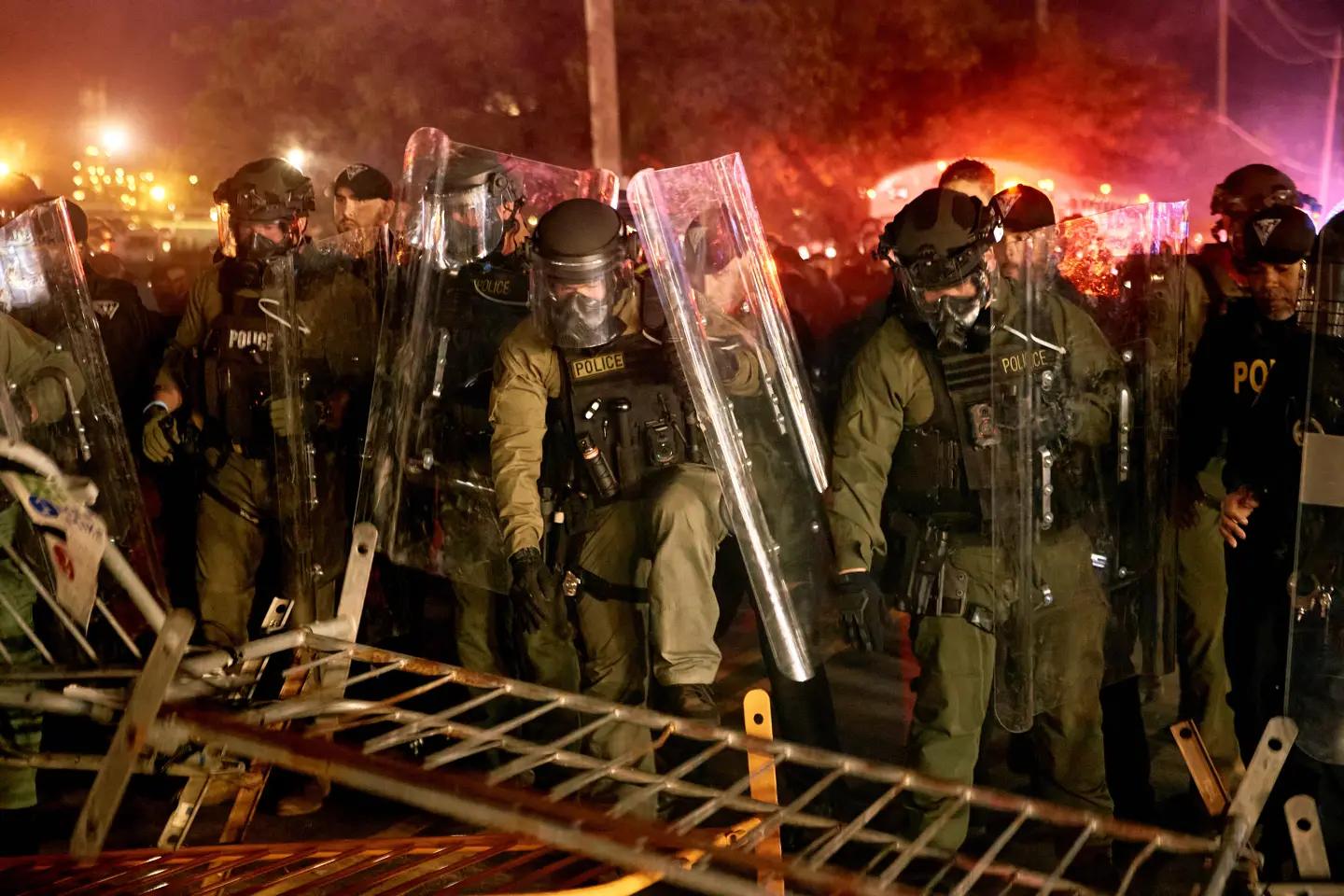
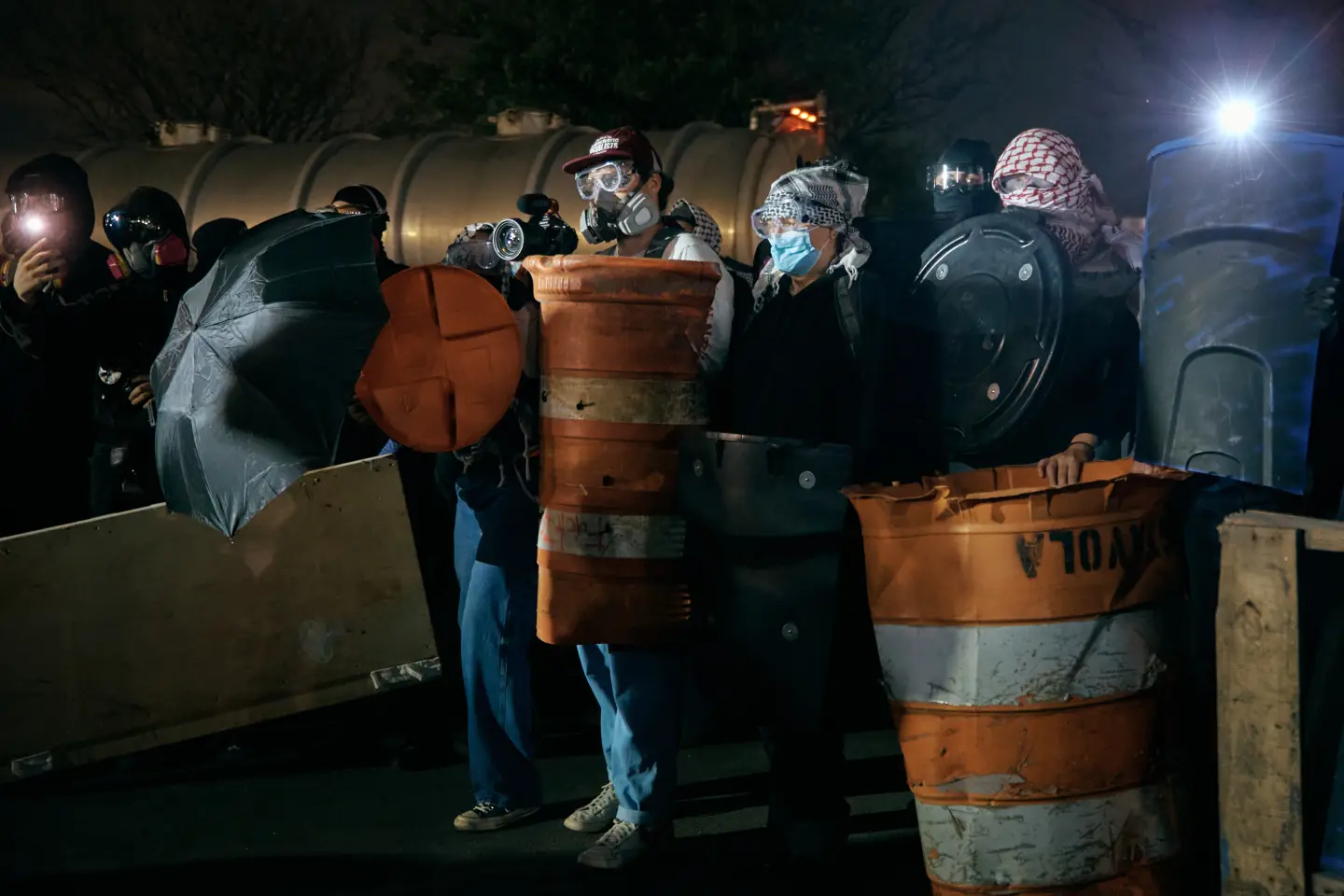
Since the operation began, public confrontations have become commonplace, with demonstrators using whistles and mockery while immigrant advocacy groups express growing frustration at the lack of transparency regarding arrests and detainees.
The operation, deemed 'Operation Metro Surge,' has reportedly resulted in over 10,000 arrests related to illegal immigration in the last year, with 3,000 categorized as 'dangerous offenders' within a short six-week period.
The backdrop of public unrest can be traced back to the fatal shooting of Renee Good by immigration officials, an incident that raised numerous questions about the use of force and the methods employed during these enforcement operations.
Protests escalate
Demonstrations against immigration enforcement have also intensified, spilling into places of worship, where some activists disrupted services. Cities Church in St. Paul, which faced such disruption, criticized the act as unlawful and damaging.
Homeland Security Secretary Kristi Noem branded the protesters as 'agitators', hinting at potential arrests while local advocacy leaders called for accountability from church officials who may have conflicts of interest.
The ongoing legal and social turmoil surrounding federal immigration enforcement highlights a pivotal moment for Minnesota, as officials and community members grapple with constitutional rights, public safety, and the implications of federal oversight.