A federal judge in New York has ruled the US Department of Justice can publicly release grand jury materials from Ghislaine Maxwell's sex trafficking investigation.
US District Judge Paul Engelmayer stated that the order reflects a new law enacted by Congress, mandating the publication of files related to disgraced financier Jeffrey Epstein by the end of next week.
In his ruling, he noted that mechanisms would be established to protect victims from the exposure of materials that could reveal their identities or infringe upon their privacy.
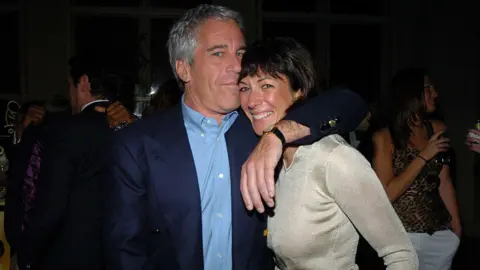
Maxwell, convicted in 2021 for her involvement in luring underage girls for exploitation by Jeffrey Epstein, is currently serving a 20-year prison sentence. Epstein was found dead in prison in 2019.
Prosecutors accused Maxwell of recruiting and grooming girls, some as young as 14, during a lengthy period between 1994 and 2004.
Recently moved to a minimum-security facility in Texas, Maxwell's legal team expressed no objection to the Justice Department's motion to release the grand jury materials.
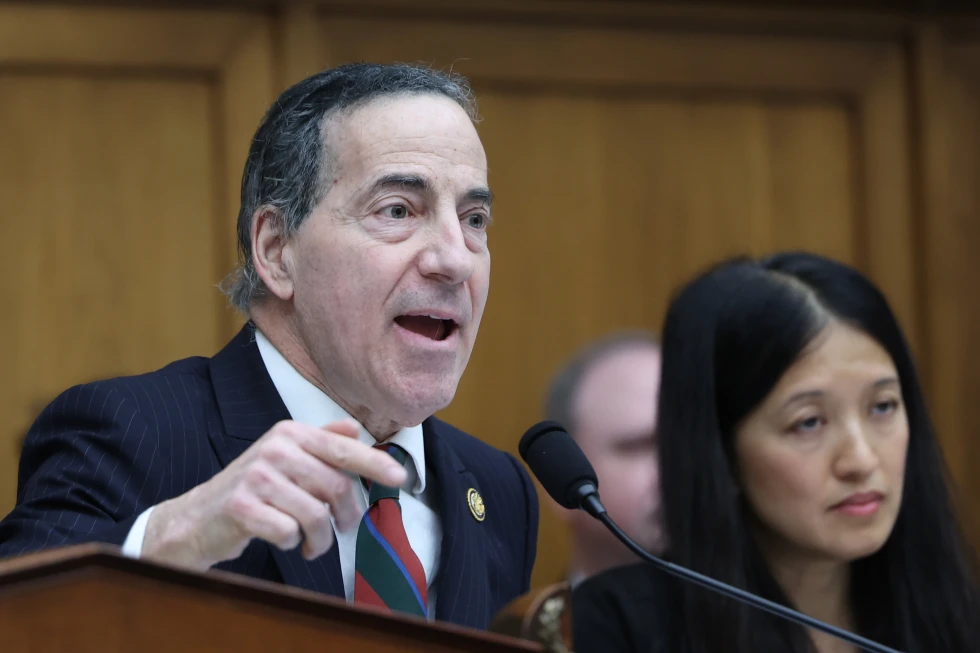
Representative Robert Garcia, the leading Democrat on the House Oversight Committee, hailed the decision as a victory for transparency, emphasizing the importance of the files now falling under the Justice Department's jurisdiction and subject to the committee's subpoena.
This ruling follows a similar decision from a Florida judge allowing the unsealing of documents related to Epstein's state investigation initiated in 2005.
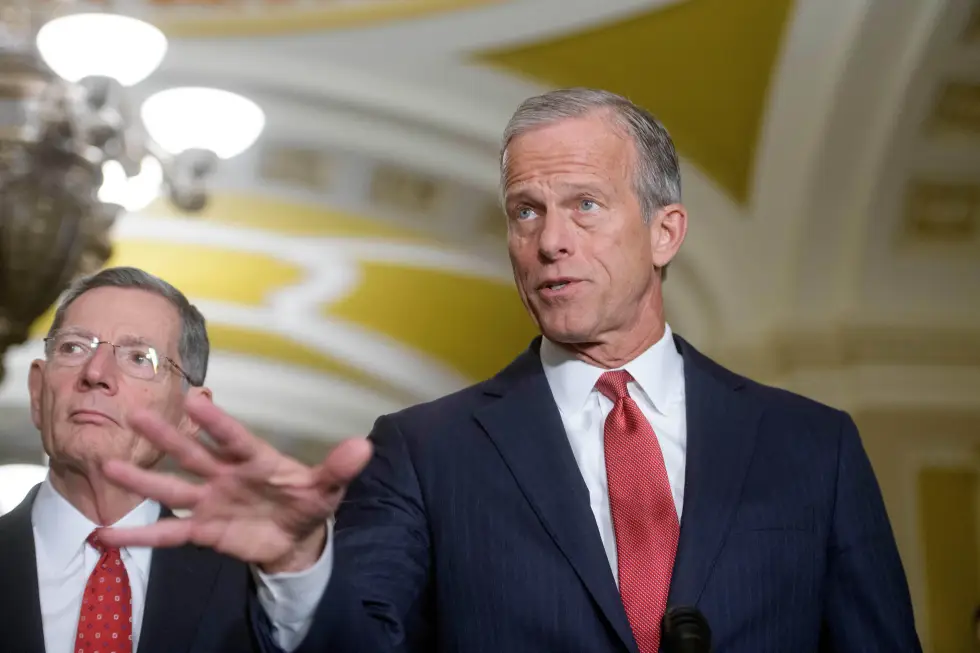
The Epstein Files Transparency Act was signed into law by President Trump in November, following previously rejected calls to release the files. The law pertains to unclassified records and materials relating to Epstein and Maxwell.
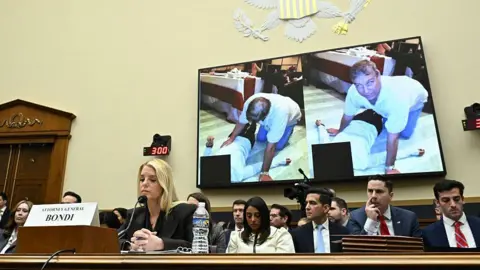
The Justice Department faces a deadline of December 19 to disclose all pertinent information from federal investigations related to Epstein, although it is permitted to withhold files that involve ongoing criminal investigations or privacy concerns.
Previously, judges in Florida and New York had resisted unsealing grand jury materials linked to Epstein, adhering to federal rules that protect grand jury secrecy. However, the newly enacted law positioned the Justice Department to argue that the legislation's clear directive should take precedence over existing secrecy rules.