In brief
In the war‑torn city of El‑Fasher, a 17‑year‑old mother named Amira gives birth to a son without a father, leaving the baby without a birth certificate or national number. The Sudanese conflict has caused widespread police and civil registry shutdowns, while mothers who suffer sexual violence face stigma and lack official support, preventing children’s legal recognition. NGOs such as the Nada Al‑Azhar Foundation step in to help, but the need for administrative services remains critical. Without a legal identity, children miss health vaccination, school enrolment and basic rights, creating a generation locked in a state of limbo."
A 17‑year‑old Sudanese mother, Amira, holds her newborn son with a heavy calm, even though the child has no father, no birth certificate, and no national number. In a country where the war has shattered civil services, such births slip through the cracks, leaving children invisible in the legal system.
The story began in El‑Fasher, a city once held by the army until it fell to the RSF in October. With constant bombardment and a shortage of food, Amira’s family fled only to be abducted by armed RSF men, forced into captivity, and subjected to repeated rape. After her pregnancy was discovered, Amira was dropped near the Tabit area. She survived with medical help from a humanitarian hub run by the International Medical Corps, where she gave birth at a hospital outside RSF control.
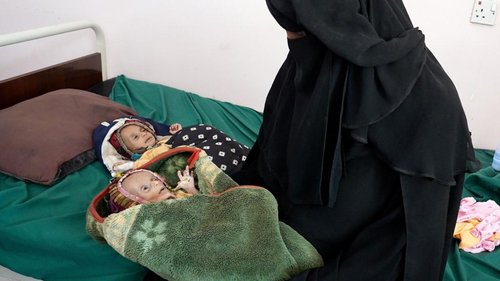
Yet eight months after birth, Amira cannot register the child. Without a father’s name or identity documents, the baby cannot enroll in nursery, receive vaccinations, or attend school. “I’m afraid for his future,” she says. The case reflects a broader crisis: many children in Sudan are born after rape, with unknown fathers, leaving them orphaned and undocumented.
Legal Hurdles and Stigma
Sudanese law, especially the Child Act of 2010, allows children born out of marriage to be registered, but it requires mothers to report an assault, a step many avoid due to stigma or fear. The breakdown of civil registry offices in war zones means that thousands of children go unregistered, depriving them of essential services and rights. The Nada Al‑Azhar Foundation works to locate families in camps, but the lack of documentation remains a barrier.
Lawyer Majida Idris highlights that empty registers translate to lost rights to education, healthcare, and legal recognition. She urges swift reactivation of civil offices and intensified legal efforts to restore birth registrations for children caught in administrative limbo.
A Cry for Help
Amira’s mother, grateful for the reunion, emphasises the emotional toll: “I had not eaten or slept. Seeing my daughter back has been a miracle.” However, the family remains overwhelmed by the lack of paperwork for the grandson and the uncertainty of his legal future. Nada’s psychological support offers some relief, yet the need for administrative services is urgent.
The invisible children of Sudan, born amid conflict, face a future clouded by borders they cannot cross, schools they cannot attend, and a society that overlooks them because of unfinished paperwork. A concerted effort from government, NGOs, and international aid is required to give these children the identity and legacy they deserve.