In brief
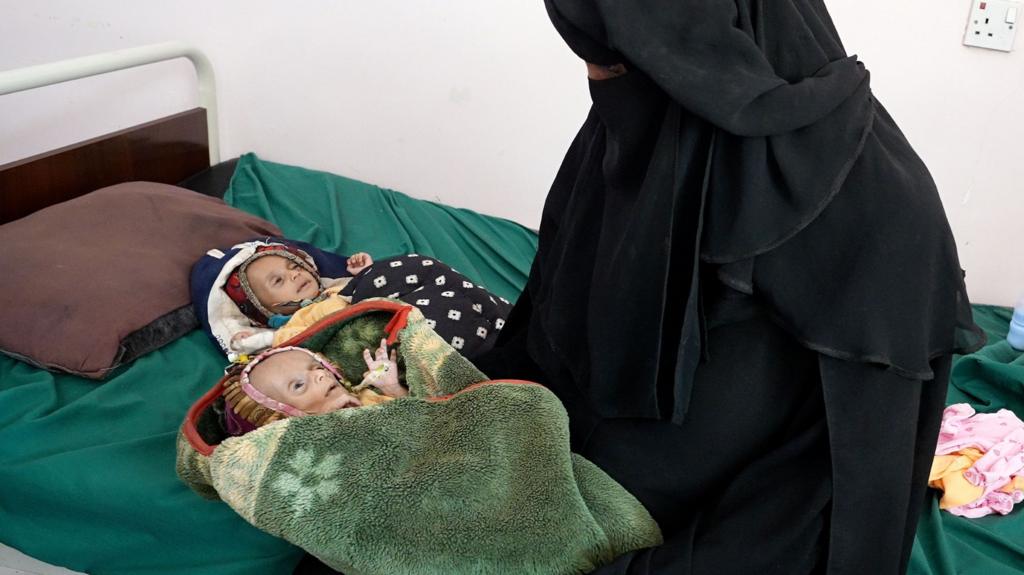
Raghad and Raad Hassan were born prematurely in the mountains of southern Yemen, only a week before missile attacks broke out. Their family fled on foot for three days to the port city of Aden, where a care team discovered the twins suffering severe acute malnutrition. Doctors at al‑Sadaqah hospital worked to keep them alive, but shortages of medicine and food threaten their recovery. The story underscores how the ongoing civil war is swelling a looming famine that has displaced 250,000 people and left many families stranded and destitute.
From the day they were born, just seven weeks ago, twins Raghad Hassan and her brother Raad have been battling for survival.
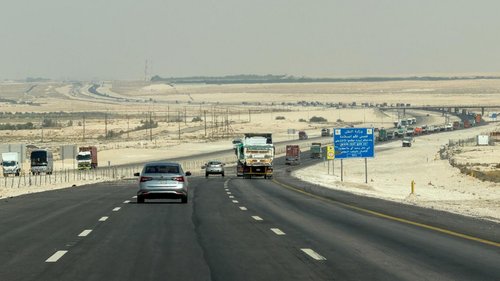
They arrived into a world cut short by a long‑running civil war between Houthi rebels and government forces. The Houthis’ advance into the Kahboub mountains forced their family of seven to flee with nothing but blankets for protection.
The journey to Aden lasted three days on foot, during which the twins grew weaker as cold and dust curled around them. By the time they reached al‑Sadaqah hospital, Raad’s chest was trembling with rapid, shallow breaths and Raghad was barely an infant to the nurse’s eye.
The doctor’s diagnosis was swift – severe acute malnutrition, a death sentence in its own right. While their father, Bajash Ali Sagir Hassan, could only offer water and handfuls of food, the twins languished on a shared bed, barely slotted between two twenty‑four‑hour‑activity waiting lists.
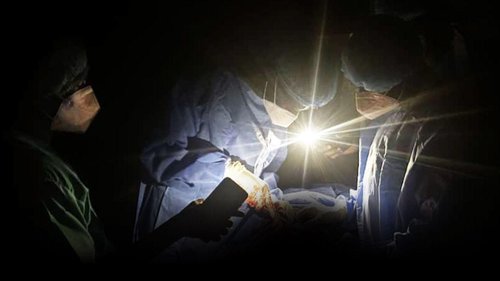
Aisha Ragab, a supervising nurse and herself a war refugee, Negotiated a single bed for the twins, arguing that sharing would “save them.” Her persistence paid off, but the scarcity of oxygen, ventilation machines and laboratory supplies left the hospital in a constant battle to keep the children alive.
The UN reports that 800,000 people can no longer receive lifesaving aid and more than 250,000 civilians have been displaced in the past three months. With the Houthis’ recent advance along the Red Sea coast and the complete block of Taiz, civilian food prices have surged, pushing families even further into poverty.
Bajash’s other children – all under five – grew cold on a bench in the hospital reception while the twins received care. The family was forced to spend nights on the street, a sobering reminder of how war and famine collide. The twins’ story is a microcosm of a national tragedy that has left Yemen’s youngest suffering the hardest.