In brief
A BBC investigation has revealed that Sudan’s Rapid Support Forces (RSF) systematically targeted hospitals in el‑Fasher during the siege from May 2024 to October 2025, causing at least 120 injuries, 55 deaths and 10 abductions of medical staff. The UN’s Volker Türk described the findings as “deeply disturbing” and called the attacks possible war crimes. RSF leadership has denied the allegations, labeling them propaganda. WHO has condemned related bombings across Darfur and highlighted the attacks as a clear example of the war’s impact on civilian health care. The investigation documented a detailed chronology of targeted assaults on key medical facilities, raising urgent questions about protection under international humanitarian law.
A BBC investigation has found evidence that Sudanese paramilitary fighters deliberately destroyed the healthcare system in el‑Fasher during the city’s siege and takeover a year ago.
UN human rights chief Volker Türk called the findings “deeply disturbing,” warning that repeated attacks on civilian infrastructure, including health facilities, could amount to war crimes.
The RSF has denied the BBC’s findings, with its health minister describing the allegations as propaganda and a smear campaign orchestrated by the Sudanese army and its allies.
Using on‑ground sources, the BBC documents at least 43 separate attacks on hospitals and health sites between May 2024 and October 2025—some locations were hit multiple times.
Under international law, it is illegal to attack health facilities or their staff during conflict. The BBC’s data shows 120 medical workers injured, 55 killed and 10 forcibly disappeared or abducted from April 2023 to October 2025.
Dr Muhamed Suliman, a surgeon in el‑Fasher at the time, said that the RSF “was trying to evacuate the hospitals, to put them out of service because the health system is the cornerstone of any city.” He added that the RSF’s strikes forced citizens to flee the city.
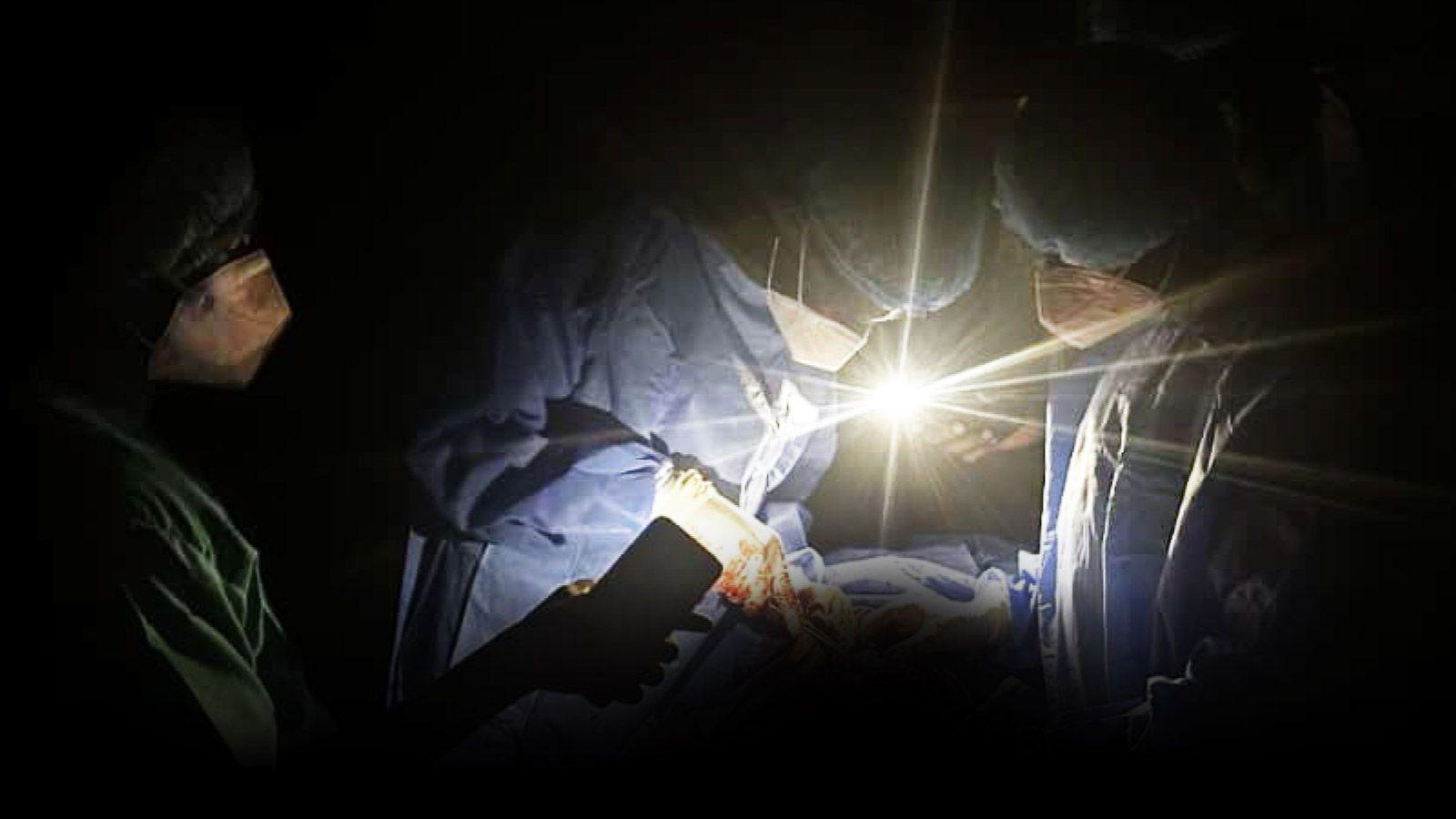
El‑Fasher lost its main Teaching Hospital early in the civil war, forcing health services to move to the South Hospital. The South Hospital suffered repeated shelling as the RSF advanced, with the first bombing occurring on 1 June 2024. Staff carried out a C‑section under a phone flash on the day of the bombing.
After the RSF seized the city on 8 June, a surprise raid found hospital staff trapped and some forced to leave. The RSF later claimed the hospital was being used as a military base, allegations the BBC found no evidence for.
The RSF raided the Saudi Maternity Hospital multiple times, with drones and precision rockets hitting the site up to 25 times in a single day, forcing its staff to relocate medicines and patients to makeshift sites. In March 2025, a drone tracked the movement of patients from a temporary ward, killing nine people as it struck the gate.
RSF forces stormed the Saudi Hospital on 25 October 2025 amid allegations of a massacre that killed more than 460 patients and companions. The RSF denied a massacre occurred, but the WHO has condemned the reported killings and satellite imagery suggests clusters of bodies on the blood‑soaked grounds.
Today, healthcare in el‑Fasher is run by the RSF‑backed government, which has reopened the Saudi and Teaching Hospitals after cleaning and repairs. The RSF’s health minister claims that some doctors were forced to stay; he denies any abductions, citing that doctors were released after the city’s “liberation.” However, witnesses report that medical staff were forcibly captured and then returned.
To understand the full impact, BBC’s interactive map shows the three hospitals’ locations and the sequence of attacks.