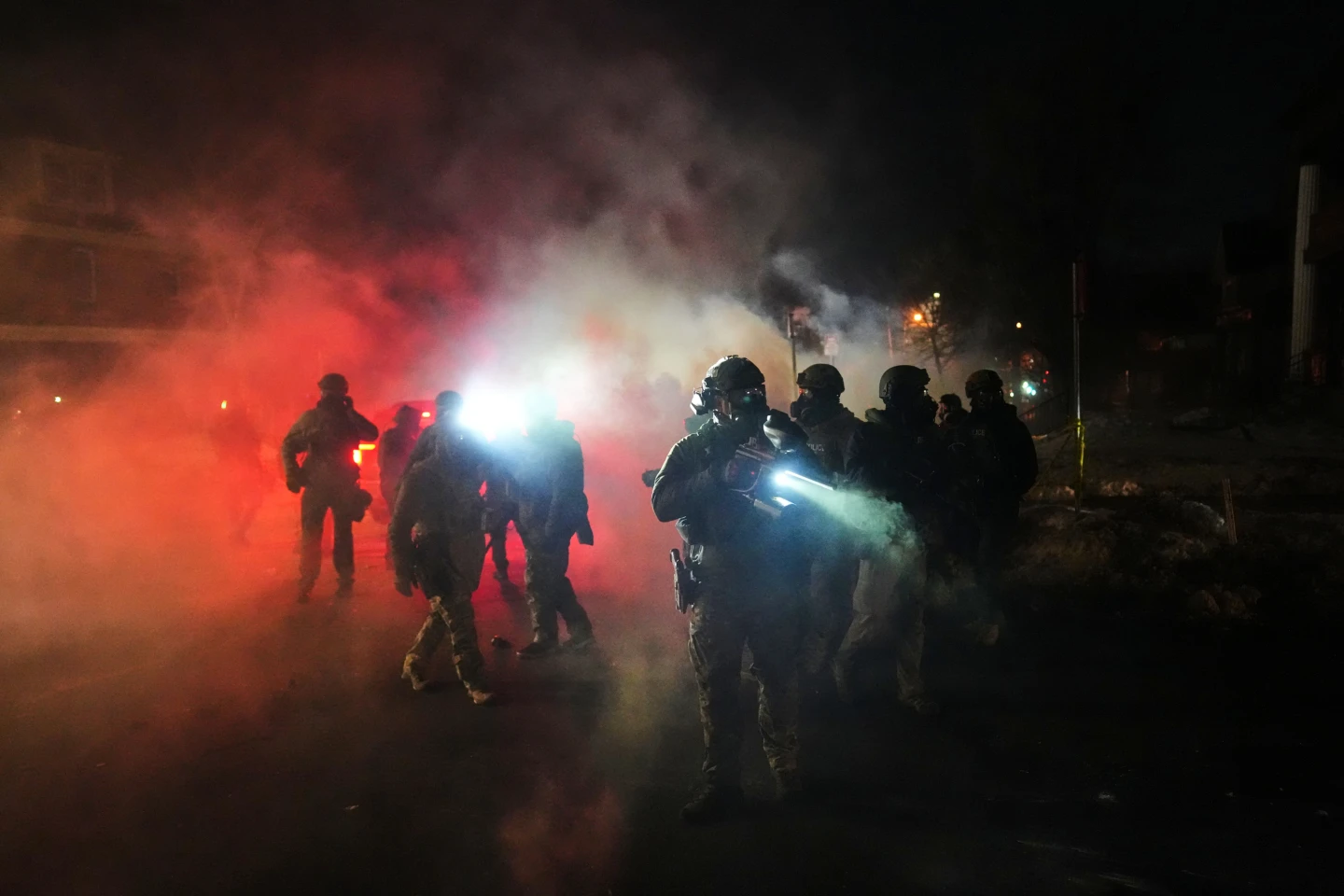
Federal authorities announced an investigation Friday into two immigration officers who appeared to have made untruthful statements under oath about a shooting in Minneapolis last month. This significant development follows at least five other shooting incidents where initial descriptions provided by immigration officials were later contradicted by video evidence.
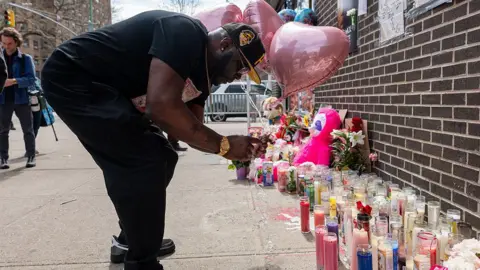
Among the cases under scrutiny are the fatal shootings of Renee Good and Alex Pretti, both of which gained public attention as bystander footage raised serious questions about the accuracy of the official narratives.
The announcement came shortly after a federal judge dismissed felony assault charges against two Venezuelan men accused of attacking an Immigration and Customs Enforcement officer with a broom handle and snow shovel on January 14. The officer, who has not been named publicly, fired a single shot that struck one of the alleged attackers, Julio Cesar Sosa-Celis, in the thigh.
The prosecution's decision to dismiss charges was based on newly surfaced video evidence, which contradicted the allegations initially made against the defendants in court filings.
Detailed Examination of Shooting Incidents
Officers initially claimed that Sosa-Celis and others ambushed them, prompting the officer to fire a ‘defensive shot.' However, recordings and eyewitness accounts presented a different perspective, with inconsistencies in the officer’s testimony noted during court hearings.
Moreover, these discrepancies follow a pattern in several past incidents involving ICE and Border Patrol shootings:
- Renee Good's fatal shooting on January 7 was described by officials as a domestic terrorism act against ICE officers. However, video footage revealed that Good's vehicle was parked, and she had communicated no hostility before the fatal shot.
- Alex Pretti's shooting on January 24 led to claims of him approaching officers with a gun. Contrarily, video evidence showed that he was holding a phone at the time he was shot.
- Cases involving other individuals, such as Silverio Villegas González and Marimar Martinez, also showcase contradictions between official reports and emerging video evidence, raising critical questions about the narratives surrounding law enforcement actions.
This ongoing investigation and the previously established cases reveal a trend of reliance on video evidence to reevaluate the actions of law enforcement in immigration-related incidents. As the situation unfolds, it emphasizes the importance of accountability and transparency within federal operations.