A bitter dispute pitting Hungary and Slovakia against Ukraine is holding up a crucial €90bn (£77.95bn) EU loan to Ukraine.
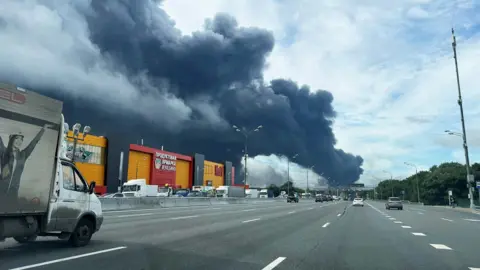
No oil has flowed through the Druzhba (Friendship) pipeline, from Russia to Hungary and Slovakia across Ukraine, since the major oil hub at Brody, in western Ukraine, was damaged in a Russian attack on 27 January.
While Ukraine argues that it will need six more weeks to repair the damage and restore the oil flow, Budapest accuses Kyiv of stalling as revenge for Hungary's pro-Russian and anti-Ukrainian position.
The dispute underlines the ability of one or two countries to block EU decision-making. It also shows Hungary and Slovakia facing fuel problems, because they refused to follow the lead of others and wean themselves off Russian oil since 2022.
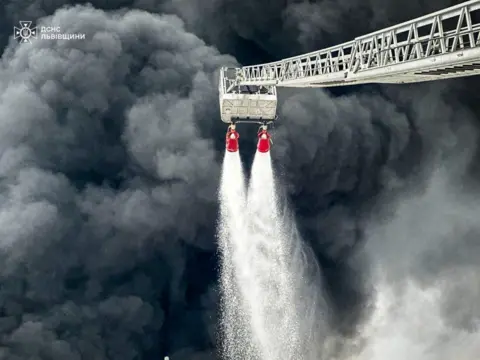
The Brody pumping station in Ukraine's western Lviv region is crucially important for the transit of Russian oil to Hungary and Slovakia.
According to satellite images obtained by the BBC, the Russian strike on 27 January damaged a key part of the infrastructure—a tank necessary for maintaining the pipeline's operational pressure.
Ukrainian energy expert Henadiy Ryabtsev has highlighted the severity of the damage, indicating that extreme heat may have compromised additional systems within the pumping station.
The situation is further complicated as the Ukrainian government expresses its lack of resources to expedite repairs. Meanwhile, the EU has offered technical assistance and funding to facilitate restoration efforts.
In a shift, Hungarian officials have started sourcing non-Russian oil via the Adria pipeline but report challenges in refining the alternative oil types, highlighting the ongoing energy supply issues in the region.