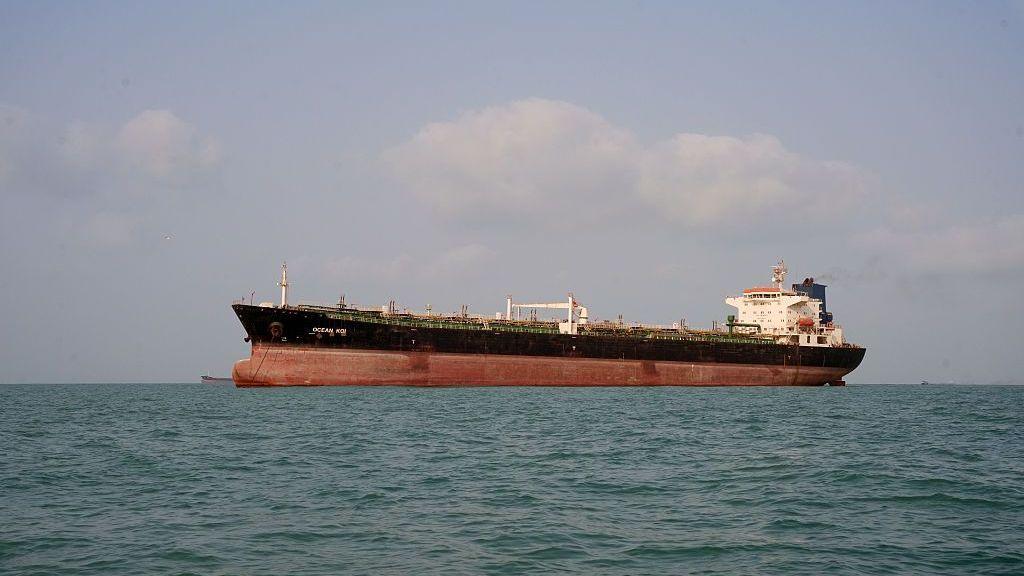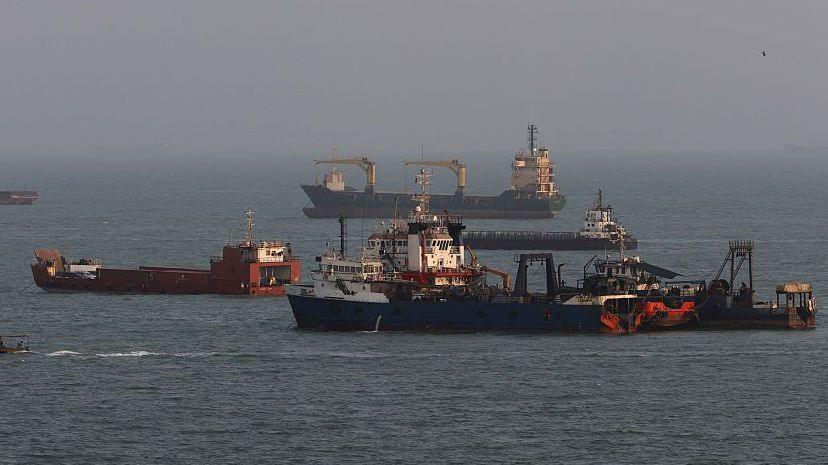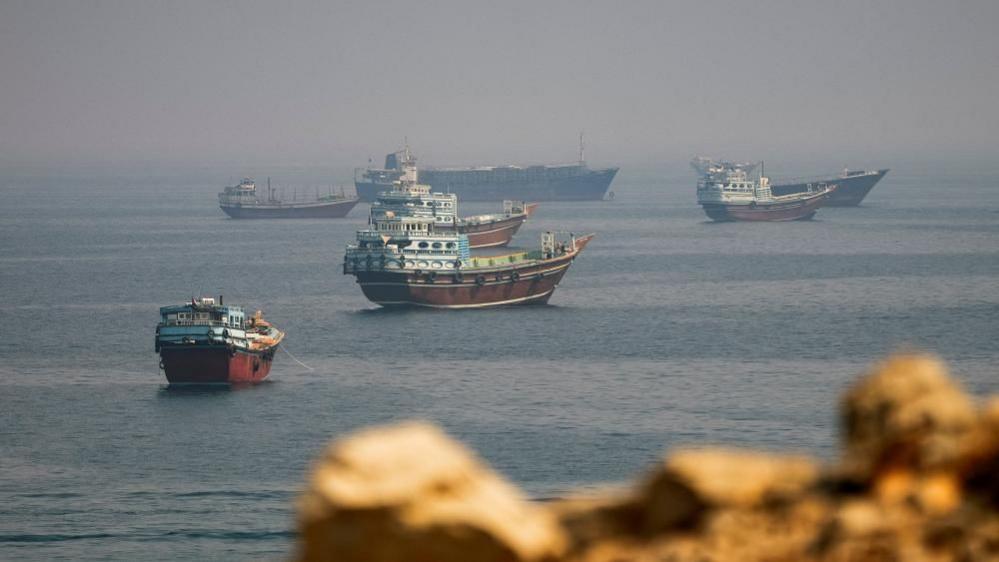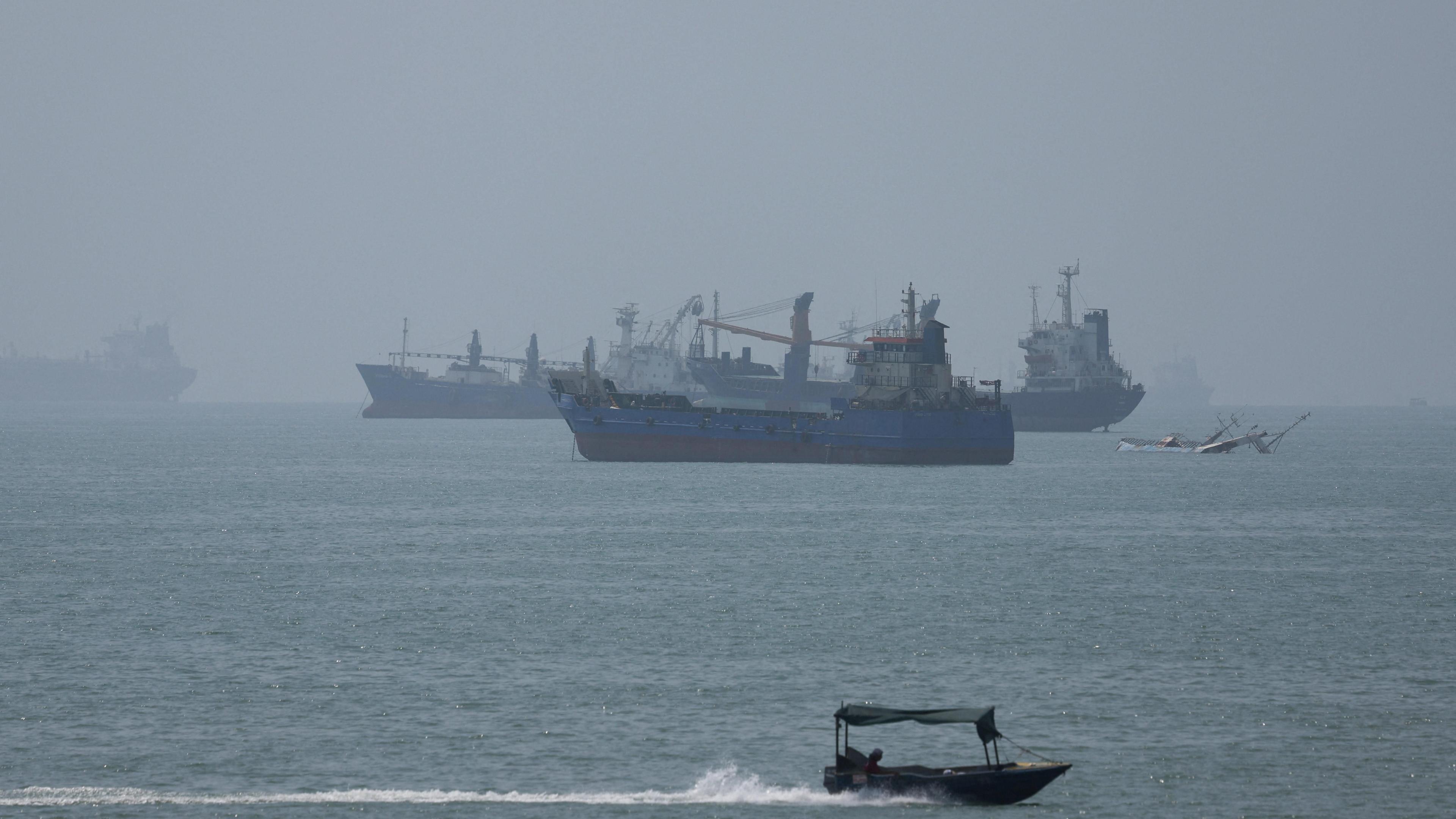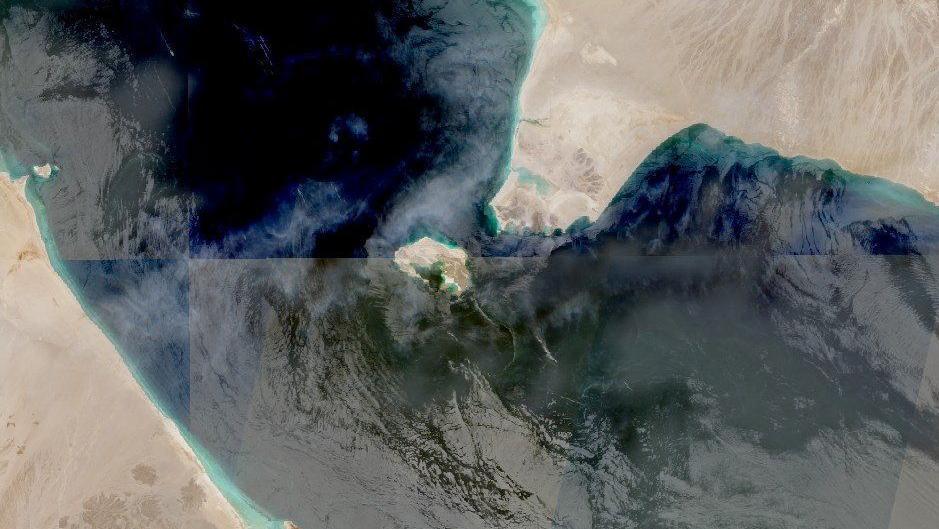
Yemen’s Houthi fighters have escalated their campaign by targeting shipping in the Red Sea, a move that threatens to choke the Bab El Mandeb Strait— the vital link between the Red Sea and the Indian Ocean.
Since the Houthis forced dozens of vessels to turn back, shipping companies have rerouted their fleets, raising freight costs and unsettling global supply chains that rely on the swift passage of oil, gas and fertilizers.
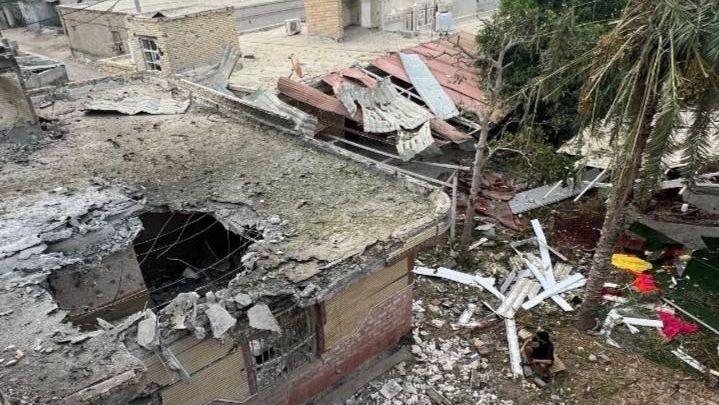
The attacks come amid a broader conflict: the United States continues airstrikes against Iranian drone and missile bases in the Gulf, while Saudi Arabia navigates a fragile partnership with Iran‑backed groups along its southern border.
Saudi Arabia’s recent agreement to develop a domestic nuclear power programme has added a new element to the regional arms race, fuelling fears that the Gulf’s security environment could spiral into a wider conflict.
With the Strait of Hormuz remaining blocked by Iranian forces and potential restrictions on the Bab El Mandeb, the region’s economic health hangs in the balance, threatening to push commodity prices higher and strain international trade.
Reporters on the ground note that the Houthis, who first seized Sanaa in 2014, have persisted in resisting Saudi-led intervention and now build a network of caves and tunnels along Yemen’s coastline to launch surprise missile attacks on maritime assets.
While US forces patrol the waters between Oman and Yemen to secure shipping lanes, the political tempo remains tense— the U.S. has yet to deter the Revolutionary Guard Corps, and the Gulf states fear a direct escalation.
If the Bab El Mandeb Strait closes, the ripple effect on the global economy could be severe, with increased shipping times and elevated freight charges pushing prices up worldwide.
Analysts stress that without a durable diplomatic solution or a ceasefire, the region could experience a prolonged period of instability, with risks spilling beyond Yemen to neighboring Gulf and Arabian Peninsula states.