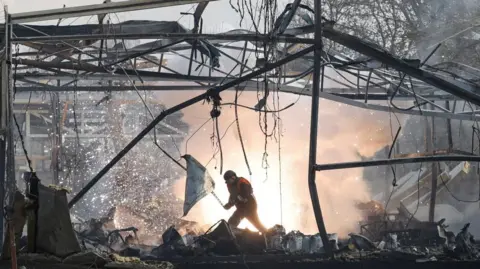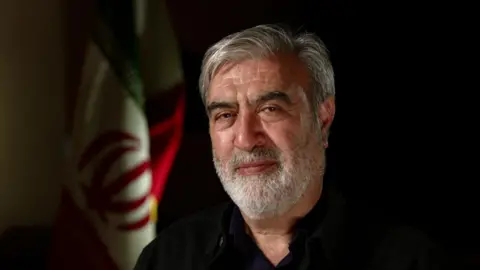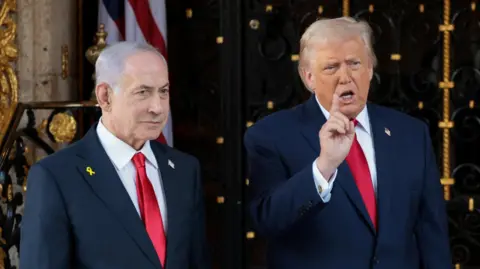
During the conflict, where fears of Khamenei's safety led to speculation about him hiding in a bunker, he delivered several video statements that proclaimed Iran's resilience. Following a ceasefire on June 26, Khamenei openly declared Iran's "victory" against the backdrop of U.S. military involvement that saw airstrikes on Iranian nuclear sites. President Donald Trump remarked on Khamenei's statements, asserting the destruction of Iran's nuclear capabilities, further escalating tensions.
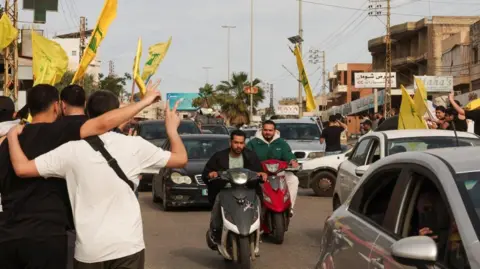
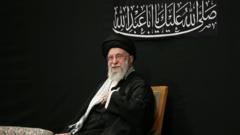
Khamenei's latest public presence has been widely covered in Iranian media, capturing scenes of supporters celebrating this moment. He encouraged the gathering to sing a patriotic song, representative of national spirit during the recent hostilities. Additionally, Iranian state television has invited citizens to share their reactions to Khamenei's public return, reflecting the political significance of this occasion.
His appearance coincides with the month of Muharram, a period of mourning observed by the predominantly Shia Muslim population, culminating in Ashura on July 6—an event mourned for the martyrdom of Imam Hossein. The recent conflict has been described profoundly, with Iranian judiciary stating over 900 people lost their lives during the hostilities, while analysts continue to assess the implications of these developments on both domestic and regional levels.
As Iran grapples with the aftermath of the Israel conflict, Khamenei's exchange with supporters and his narrative of resilience may shape the country's trajectory in the evolving landscape of Middle Eastern geopolitics.
Khamenei's latest public presence has been widely covered in Iranian media, capturing scenes of supporters celebrating this moment. He encouraged the gathering to sing a patriotic song, representative of national spirit during the recent hostilities. Additionally, Iranian state television has invited citizens to share their reactions to Khamenei's public return, reflecting the political significance of this occasion.
His appearance coincides with the month of Muharram, a period of mourning observed by the predominantly Shia Muslim population, culminating in Ashura on July 6—an event mourned for the martyrdom of Imam Hossein. The recent conflict has been described profoundly, with Iranian judiciary stating over 900 people lost their lives during the hostilities, while analysts continue to assess the implications of these developments on both domestic and regional levels.
As Iran grapples with the aftermath of the Israel conflict, Khamenei's exchange with supporters and his narrative of resilience may shape the country's trajectory in the evolving landscape of Middle Eastern geopolitics.