Hamas Rejects Gaza Disarmament Proposal Amid Ongoing Tensions
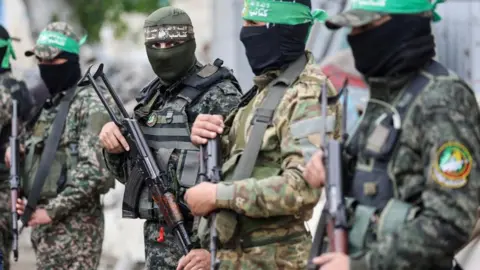
In a significant development in the ongoing Gaza conflict, Hamas has formally rejected a disarmament plan proposed by a senior US envoy, complicating efforts for peace in the region. The group demands full implementation of prior agreements before engaging in further negotiations.
Hamas, the ruling party in Gaza, has accused Nickolay Mladenov, the UN's high representative for Gaza on the US-led Board of Peace, of bias towards Israel. Mladenov's disarmament framework is part of the next phase of a ceasefire deal established with Israel last October.
A senior Palestinian official disclosed that Hamas has communicated to regional mediators that they will not engage in discussions regarding the disarmament until Israel fully implements the terms of the initial phase agreed upon.
Israel has stated it will not proceed with the peace process unless progress is made on Hamas's disarmament. The continued tension has stalled any movement towards peace despite a hopeful ceasefire beginning last October.
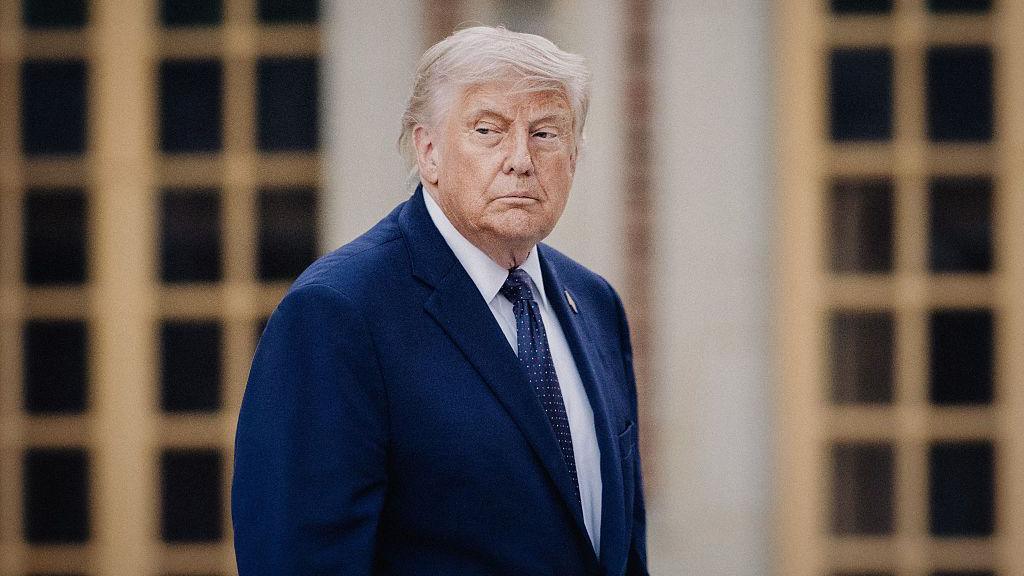
The first phase of Trump's peace plan, initiated after halting the conflict, saw the return of Israeli hostages and recognized a partial withdrawal of Israeli forces from the Gaza Strip.
In recent weeks, the US Middle East envoy, Steve Witkoff, announced the anticipated second phase of the plan, aiming for a permanent end to hostilities. However, negotiations have met with resistance and a lack of cooperative dialogue between the opposing sides.
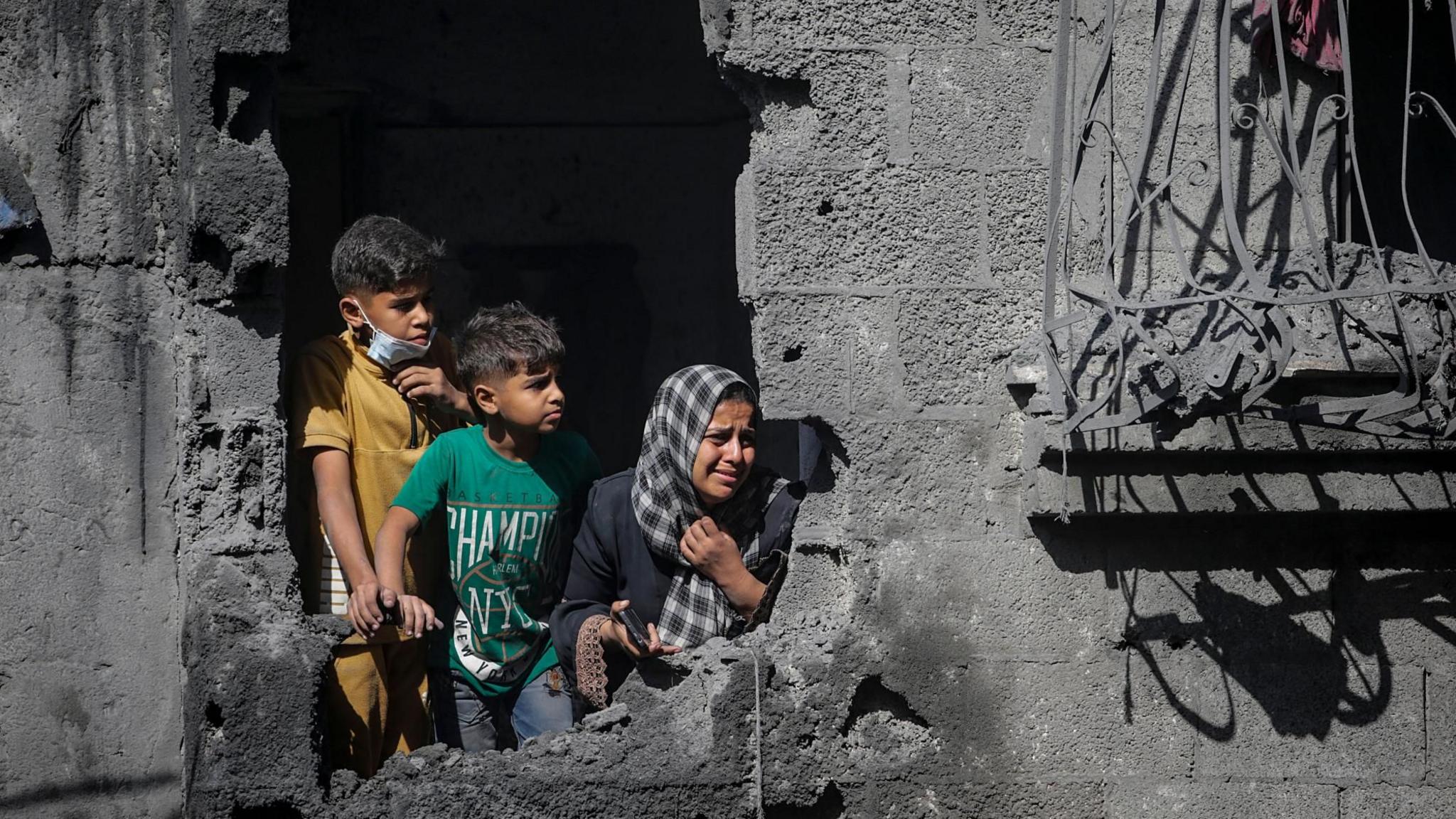
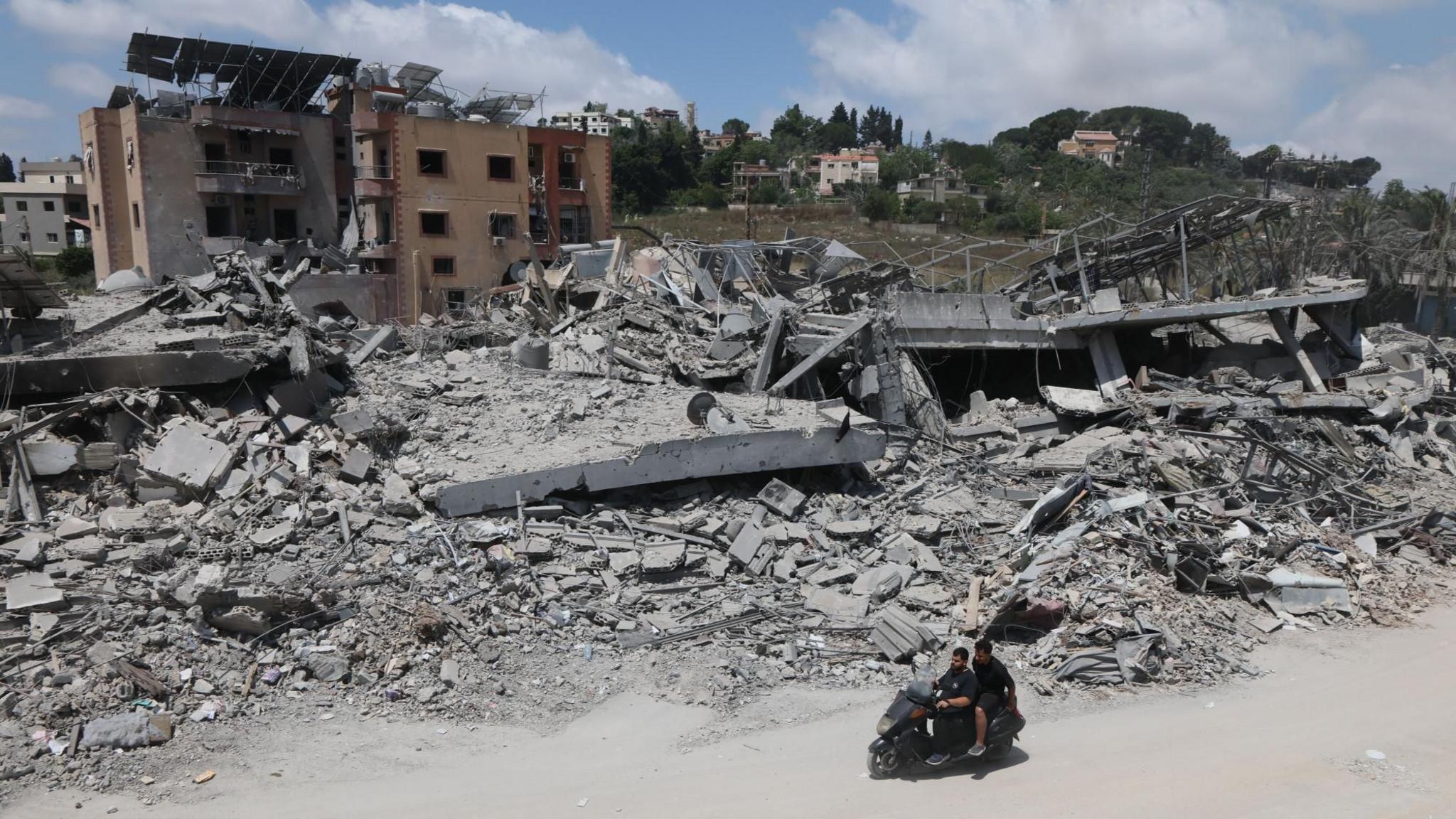
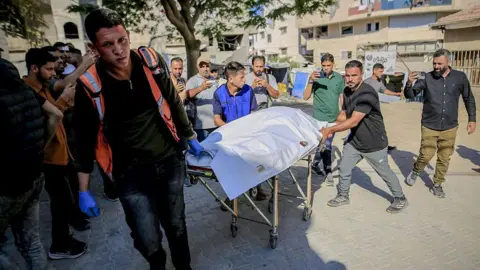
The Hamas-led attack on Israel on October 7, 2023, which resulted in substantial casualties, has exacerbated the situation. To date, it is reported that over 72,330 individuals have died due to military actions in Gaza since then, escalating calls for a more thorough peace process that considers the needs of the Palestinian people.
A senior Hamas official insisted that they will await a clear timetable from Mladenov for Israel to fulfill phase one’s obligations, along with guarantees against ongoing violations, before any talks can resume concerning phase two. The demand underlines the overarching need for a solution rooted in Palestinian self-determination rather than piecemeal agreements.
The rejection of the disarmament plan reflects deeply entrenched divisions and the complexities of negotiating peace amidst ongoing conflict in the region.