Greenlanders Express Concern Amidst U.S. Geopolitical Maneuvering
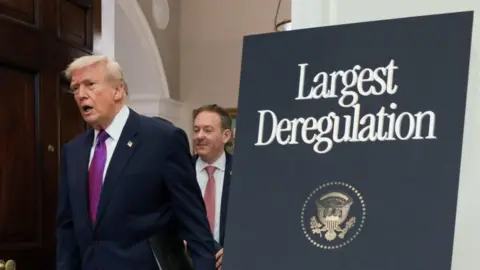
Greenland is finding itself in the midst of a geopolitical storm as U.S. Secretary of State Marco Rubio is set to meet with Danish and Greenlandic officials to discuss the island's fate. The Trump administration has expressed a keen interest in acquiring Greenland, citing national security concerns and the region's untapped natural resources.
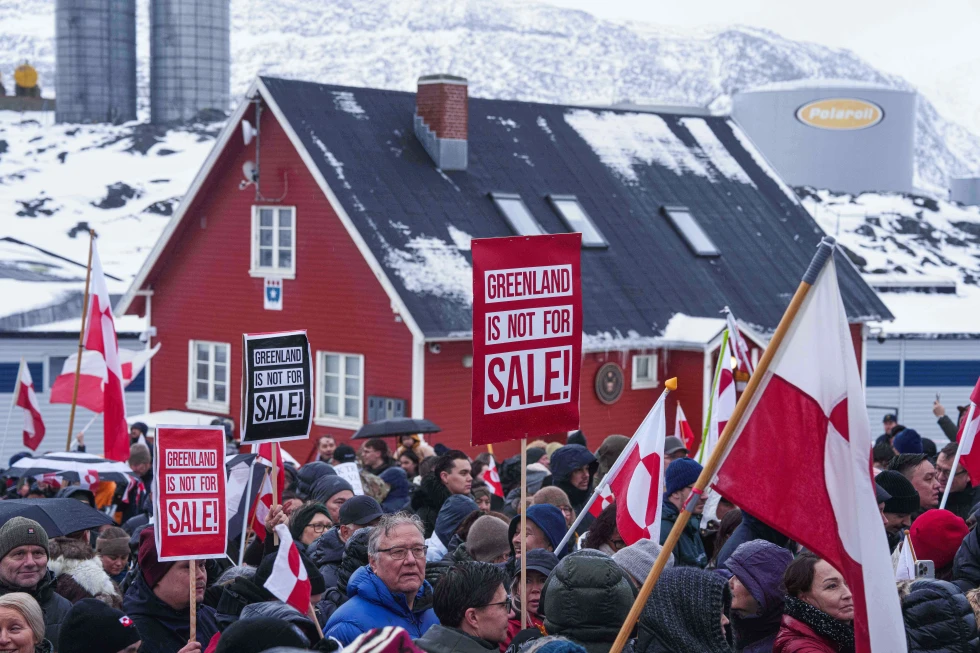
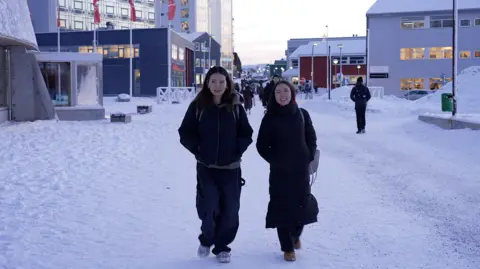
The vast island, while serene with its panoramic view of ice, snow-capped mountains, and glittering fjords, is on edge. With a population of only 57,000, mostly indigenous Inuit, residents are troubled by the prospect of U.S. intervention.
A local pensioner voiced his fears of U.S. control over the island, while others express distrust and anxiety in light of Trump's military actions in other countries. Conversations with locals reveal a consistent theme: a strong desire for independence and the wish to maintain a quiet, self-determined life away from external pressures.
Politicians like Pipaluk Lynge-Rasmussen, co-chair of the foreign affairs committee in Greenland’s parliament, emphasize the importance of Greenlanders having a voice in their own future. Many believe they deserve discussions with global powers that directly involve them rather than merely occur about them.
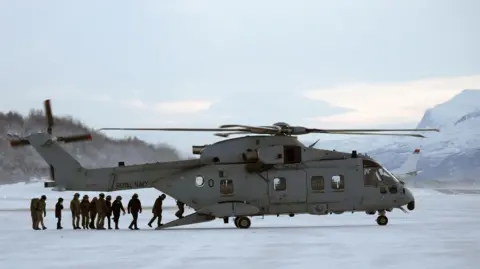
Yet, as Greenland sits strategically between the Arctic and Atlantic Oceans, the U.S. views its presence in the region as vital for monitoring adversaries like Russia and China. Greenland's geographical position makes it a valuable asset for military and trade routes, further complicating the wishes of its residents who seek autonomy.
As the discussions unfold in Nuuk, sentiments on the ground reflect a blending of anxiety over foreign ambitions and a strong desire for self-governance among the people of Greenland.